
The intersection of climate change and energy infrastructure represents one of the defining challenges of our generation. As extreme weather events intensify and our planet faces unprecedented environmental shifts, building resilient energy systems has become not just a priority but a necessity for survival.

Our energy infrastructure, designed decades ago for a more stable climate, now faces hurricanes, wildfires, floods, and temperature extremes that threaten to disrupt power supplies to millions. The transition to renewable energy sources, combined with innovative grid management and storage solutions, offers a pathway toward systems that can both withstand climate impacts and reduce the emissions driving these changes. This transformation requires immediate action, substantial investment, and a fundamental reimagining of how we generate, distribute, and consume energy.
🌍 The Climate Challenge Facing Energy Infrastructure
Traditional energy systems were never designed to handle the climate extremes we’re experiencing today. Power plants, transmission lines, and distribution networks face mounting threats from rising temperatures, severe storms, and prolonged droughts that compromise cooling water supplies for thermal plants.
In recent years, we’ve witnessed cascading failures during extreme weather events. The 2021 Texas winter storm left millions without power as natural gas infrastructure froze and wind turbines iced over. California’s electrical grid has struggled with rolling blackouts during extreme heat waves, while wildfires have forced preventive shutdowns affecting hundreds of thousands of customers. Hurricane Maria devastated Puerto Rico’s entire grid in 2017, leaving residents without power for months.
These events reveal a troubling pattern: our energy infrastructure has become the weak link in our climate adaptation strategies. The very systems we depend on for heating, cooling, communication, and survival during extreme weather are precisely the ones most vulnerable to climate impacts.
Understanding Vulnerability Points
Energy systems face multiple climate-related vulnerabilities. Coastal power plants and substations risk flooding from sea-level rise and storm surges. Transmission lines become targets for wildfire ignition and damage. Hydroelectric facilities face uncertainty from changing precipitation patterns and glacier melt. Even underground infrastructure isn’t immune, as shifting soil conditions and flooding threaten buried cables and pipes.
The economic costs are staggering. The U.S. Department of Energy estimates that weather-related outages cost the American economy between $25 billion and $70 billion annually. As climate extremes intensify, these figures will only climb without significant infrastructure investments.
⚡ Renewable Energy as a Foundation for Resilience
Transitioning to renewable energy sources isn’t just about reducing emissions—it’s fundamental to building climate-resilient systems. Solar, wind, and other renewable technologies offer inherent advantages in withstanding and recovering from extreme weather events.
Distributed renewable energy systems create redundancy that centralized fossil fuel plants cannot match. When one solar installation goes offline, thousands of others continue generating power. This decentralization reduces single points of failure that have historically caused widespread outages.
Solar Power’s Growing Role
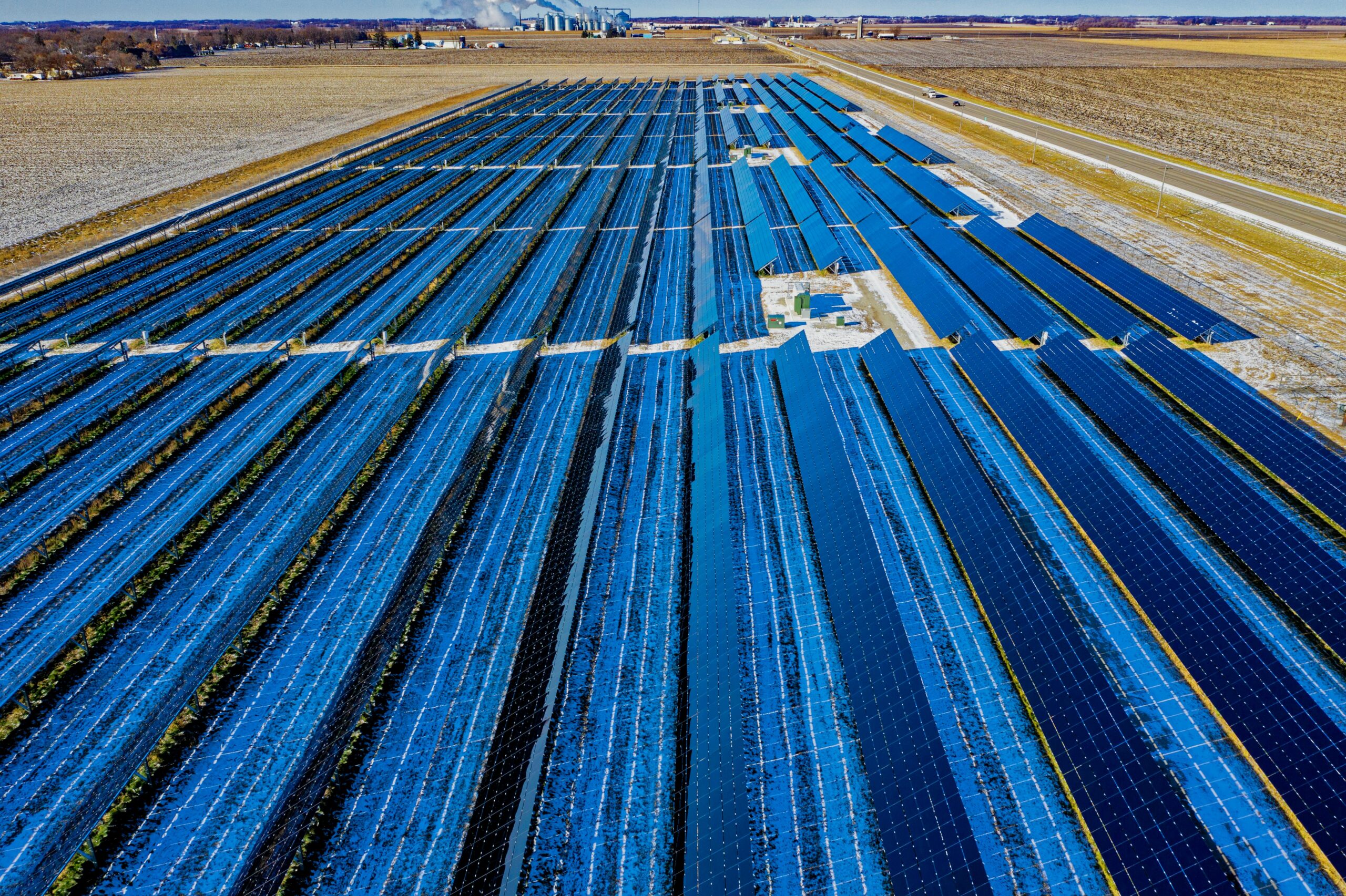
Solar energy has emerged as a cornerstone of resilient energy infrastructure. Rooftop solar installations, community solar projects, and utility-scale solar farms provide power generation that’s less vulnerable to supply chain disruptions affecting fossil fuels. Modern solar panels are engineered to withstand extreme weather, including high winds, hail, and temperature fluctuations.
Battery storage paired with solar creates microgrids capable of operating independently during grid outages. Hospitals, emergency services, and critical facilities increasingly rely on solar-plus-storage systems to maintain operations during disasters. California has installed thousands of megawatts of battery storage to complement renewable generation and provide grid stability during peak demand and emergencies.
Wind Energy’s Technological Evolution
Wind power technology continues advancing to handle extreme conditions. Modern turbines feature sophisticated sensors and control systems that automatically shut down and secure themselves during dangerous wind speeds. Offshore wind farms, while exposed to oceanic storms, benefit from stronger and more consistent winds while reducing land-use conflicts.
The geographic diversity of wind resources adds resilience. When weather systems affect one region, wind generation continues elsewhere. This spatial distribution, combined with improved forecasting and grid management, helps balance supply even during challenging conditions.
🔋 Energy Storage: The Game-Changing Technology
Energy storage represents perhaps the most critical innovation for resilient energy systems. Battery technology has advanced dramatically, with costs falling over 85% in the past decade while performance improves exponentially.
Large-scale battery installations provide multiple grid services simultaneously. They store excess renewable energy when generation exceeds demand, then discharge during peak periods or outages. They respond within milliseconds to frequency fluctuations, maintaining grid stability far more effectively than traditional generators.
Beyond Lithium-Ion Solutions
While lithium-ion batteries dominate current deployments, diverse storage technologies are emerging for different applications. Flow batteries offer longer duration storage for multi-day backup power. Compressed air energy storage and pumped hydro provide massive capacity for seasonal storage. Thermal storage systems capture heat or cold for later use, reducing electricity demand during peak periods.
Green hydrogen production and storage presents opportunities for long-term energy storage at scale. Excess renewable electricity can produce hydrogen through electrolysis, which can then fuel vehicles, industrial processes, or power generation during extended periods of low renewable output.
🏗️ Modernizing Grid Infrastructure for Climate Adaptation
Building resilient energy systems requires comprehensive grid modernization. Smart grid technologies enable real-time monitoring, automated fault detection, and rapid reconfiguration to route power around damaged infrastructure.
Advanced sensors throughout the grid provide operators with unprecedented visibility into system conditions. Machine learning algorithms analyze vast data streams to predict equipment failures before they occur, enabling preventive maintenance that avoids outages. During emergencies, these systems automatically isolate problems and restore service to unaffected areas within minutes rather than hours.
Hardening Physical Infrastructure
Physical infrastructure upgrades are equally essential. Utilities are burying power lines in wildfire-prone areas, elevating substations in flood zones, and reinforcing transmission towers against high winds. While expensive, these investments prove cost-effective compared to repeated repairs and outage costs.
Vegetation management programs clear trees and brush near power lines, reducing fire risks and storm damage. Some utilities employ drones and satellites with AI-powered image analysis to identify hazardous vegetation across thousands of miles of transmission corridors.
Microgrids and Distributed Energy Resources
Microgrids represent a paradigm shift in energy system design. These localized grids can operate independently or connected to the main grid, providing resilience and flexibility. During widespread outages, microgrids continue serving critical loads including hospitals, water treatment facilities, and emergency shelters.
Community microgrids are gaining traction as affordable resilience solutions. Neighborhoods pool resources to install shared solar panels, batteries, and backup generators, ensuring power availability during emergencies while reducing electricity costs during normal operations.
📊 Policy Frameworks Supporting Energy Resilience
Effective policies are crucial for accelerating the transition to resilient energy systems. Governments worldwide are implementing strategies that incentivize renewable energy adoption, grid modernization, and climate adaptation.
Renewable energy tax credits and subsidies have driven exponential growth in solar and wind installations. Net metering policies allow residential and commercial solar owners to sell excess generation back to the grid, improving project economics and encouraging adoption. Renewable portfolio standards mandate that utilities source specified percentages of electricity from clean sources, creating guaranteed markets for renewable projects.
Resilience-Focused Regulatory Reforms
Regulatory frameworks are evolving to value resilience alongside traditional cost considerations. Some jurisdictions now require utilities to incorporate climate projections into infrastructure planning. Performance-based regulations reward utilities for reliability improvements and penalize extended outages.
Building codes increasingly mandate solar-ready roofs, EV charging infrastructure, and energy storage provisions in new construction. These requirements create markets for resilient technologies while ensuring buildings can participate in future energy systems.
💡 Innovations Shaping Tomorrow’s Energy Systems
Emerging technologies promise to revolutionize energy resilience. Artificial intelligence optimizes grid operations in real-time, balancing supply and demand across millions of devices. Blockchain enables peer-to-peer energy trading, allowing consumers to buy and sell electricity directly without utility intermediaries.
Virtual power plants aggregate thousands of distributed energy resources—solar panels, batteries, smart thermostats, and electric vehicles—creating flexible capacity that responds to grid needs. These coordinated systems provide reliability services traditionally requiring dedicated power plants, but with greater flexibility and lower environmental impact.
Electric Vehicles as Grid Assets
Electric vehicles represent mobile energy storage that can support grid resilience. Vehicle-to-grid technology allows EVs to discharge stored electricity back to the grid during peak demand or outages. With millions of EVs projected on roads within decades, their collective battery capacity could provide massive backup power resources.
Managed charging programs incentivize EV owners to charge during off-peak hours when renewable generation is abundant and electricity prices are low. This load flexibility helps integrate variable renewable energy while reducing stress on grid infrastructure.
🌱 Community Engagement and Energy Democracy
Building resilient energy systems requires active community participation. Energy democracy movements empower citizens to take control of their energy future through community-owned renewable projects, energy cooperatives, and participatory planning processes.
Community solar programs allow renters and those with unsuitable roofs to benefit from solar energy. Participants subscribe to shares of local solar installations, receiving credits on their electricity bills for their portion of generation. These programs expand access to clean energy while building local resilience.
Education and Workforce Development
The energy transition creates millions of jobs in manufacturing, installation, and maintenance of renewable energy systems. Workforce development programs train workers in solar installation, wind turbine maintenance, energy efficiency auditing, and smart grid management. These careers offer pathways to middle-class livelihoods while building local capacity for energy system resilience.
Educational initiatives raise awareness about energy resilience and empower individuals to reduce consumption, adopt efficiency measures, and invest in backup power systems. Informed communities make better decisions about energy infrastructure investments and emergency preparedness.
🚀 The Path Forward: Integrated Strategies for Energy Resilience
Building energy systems capable of withstanding climate extremes requires integrated strategies combining technology, policy, and community action. No single solution suffices—resilience emerges from layered approaches that address multiple vulnerabilities simultaneously.
Investment must accelerate dramatically. The International Energy Agency estimates that achieving net-zero emissions while building climate resilience requires annual clean energy investments to triple by 2030. This represents not just a cost but an economic opportunity, creating jobs, driving innovation, and reducing long-term climate damages.
Key Priorities for Immediate Action
- Rapidly expand renewable energy deployment, particularly solar and wind, with aggressive targets for capacity additions
- Massively scale energy storage installations at all levels, from residential batteries to utility-scale systems
- Modernize grid infrastructure with smart technologies, physical hardening, and distributed architectures
- Implement policies that value resilience, accelerate clean energy adoption, and ensure equitable access
- Invest in research and development for next-generation technologies including advanced storage, green hydrogen, and grid management systems
- Engage communities in energy planning and decision-making, ensuring solutions meet local needs and priorities
- Develop comprehensive emergency response protocols integrating energy resilience into broader climate adaptation strategies
Financing the Transition
Innovative financing mechanisms can mobilize the necessary capital. Green bonds dedicated to climate resilience projects attract investors seeking both financial returns and environmental impact. Public-private partnerships leverage government resources to de-risk private investments in resilient infrastructure.
Climate-focused development banks and international financial institutions increasingly prioritize energy resilience in developing nations, where vulnerabilities are often greatest and resources most limited. Blended finance approaches combining concessional and commercial capital make projects viable in challenging markets.
🌟 Building a Sustainable Energy Future Today
The urgency of climate change leaves no room for delay. Every extreme weather event demonstrates the fragility of current energy systems and the imperative for transformation. Yet the challenge also presents an extraordinary opportunity to build infrastructure that’s not only more resilient but cleaner, more efficient, and more equitable.
Success requires unprecedented collaboration across sectors and borders. Utilities, technology companies, governments, communities, and individuals all play essential roles. The energy transition isn’t something that will happen to us—it’s something we must actively create through deliberate choices and sustained commitment.
The technologies exist. The economics increasingly favor clean energy. What’s needed now is the political will and social momentum to implement solutions at the necessary scale and speed. Future generations will judge us by whether we rose to this challenge, building energy systems worthy of the sustainable, resilient world they deserve.
As climate extremes intensify, the question isn’t whether we’ll transform our energy systems, but whether we’ll do so proactively or be forced into reactive, costly adaptations after repeated failures. The path to a sustainable tomorrow begins with building resilient energy infrastructure today—infrastructure that can withstand whatever climate challenges emerge while powering human progress without destroying the planet that sustains us.