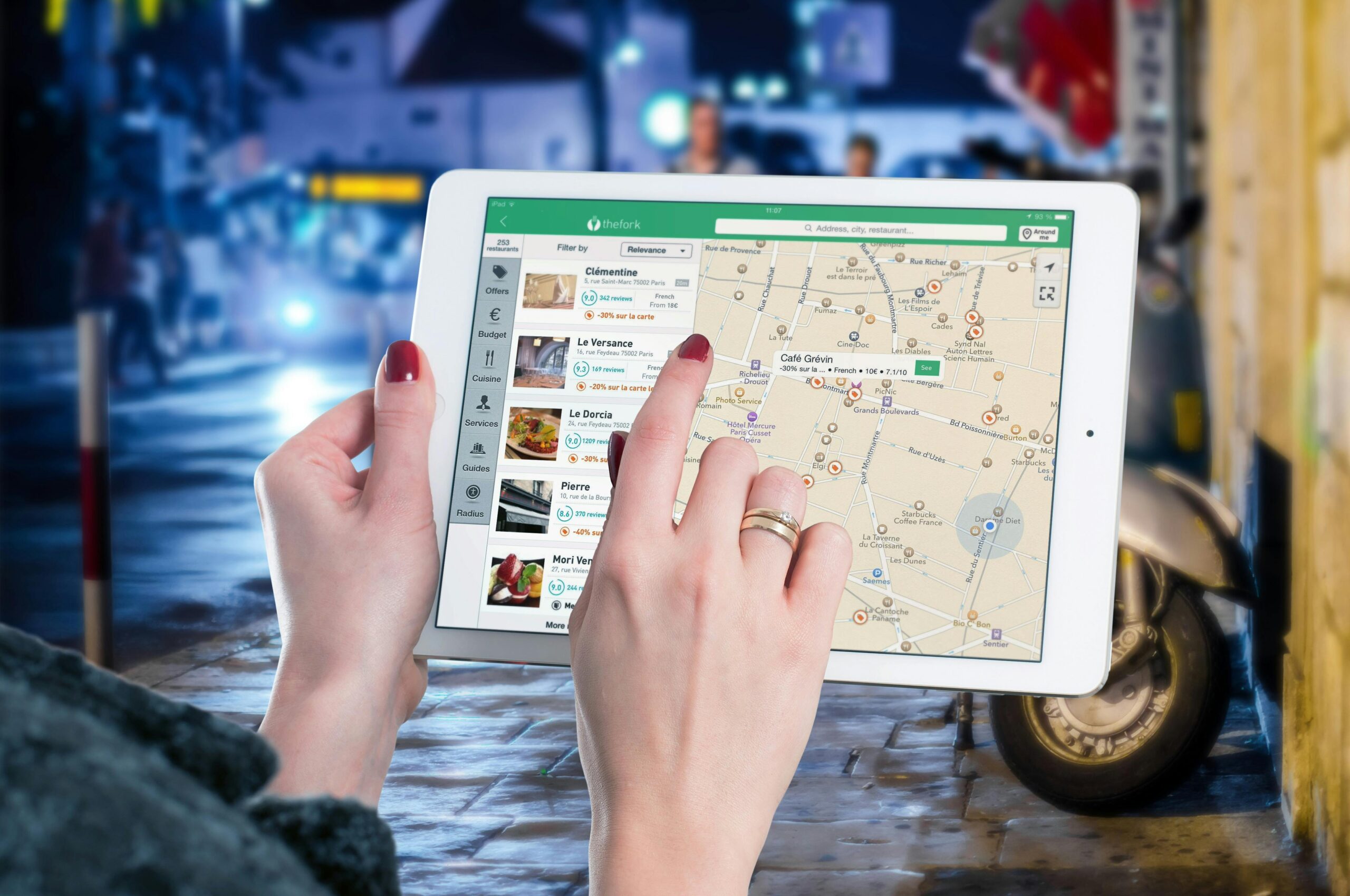
Urban centers worldwide are transforming into intelligent ecosystems where technology and sustainability converge. Smart cities leverage data analytics, Internet of Things (IoT) sensors, and artificial intelligence to optimize energy consumption, reduce carbon footprints, and enhance quality of life for millions of residents.

The global push toward sustainable urbanization has never been more critical. As cities consume approximately 75% of the world’s energy and produce over 70% of greenhouse gas emissions, the need for innovative energy management solutions becomes imperative. Data-driven policies and cutting-edge technologies are revolutionizing how municipalities approach energy efficiency, creating blueprints for sustainable urban futures.
🌆 The Foundation of Smart City Energy Management
Smart cities represent a paradigm shift in urban planning and resource management. At their core, these metropolitan areas integrate digital infrastructure with physical systems to collect, analyze, and act upon vast amounts of real-time data. Energy management stands as one of the most impactful applications of this technological convergence.
The architecture of smart energy systems relies on interconnected networks of sensors, smart meters, and communication platforms. These components continuously monitor electricity consumption patterns across residential, commercial, and industrial sectors. The collected information flows into centralized analytics platforms where machine learning algorithms identify inefficiencies, predict demand fluctuations, and recommend optimization strategies.
Cities like Barcelona, Singapore, and Copenhagen have emerged as pioneers in this domain. Barcelona’s smart lighting system, for instance, has reduced energy consumption by 30% while simultaneously lowering maintenance costs. Singapore’s Virtual Singapore project creates a dynamic 3D city model that simulates energy flows, enabling planners to test policy interventions before implementation.
Data Analytics: The Brain Behind Energy Optimization
Advanced analytics transforms raw data into actionable intelligence. Municipal energy managers now possess unprecedented visibility into consumption patterns, enabling precise interventions that deliver measurable results. Predictive analytics forecasts energy demand with remarkable accuracy, allowing utilities to optimize generation and distribution schedules.
Machine learning algorithms detect anomalies that indicate energy waste or system malfunctions. A sudden spike in consumption at a public building might signal malfunctioning HVAC systems or inefficient equipment. Automated alerts enable rapid response, preventing prolonged energy waste and reducing operational costs.
Key Data Sources Driving Urban Energy Intelligence
- Smart Meters: Provide granular consumption data at building and neighborhood levels
- IoT Sensors: Monitor environmental conditions, occupancy, and equipment performance
- Weather Stations: Enable correlation between climate patterns and energy demand
- Traffic Systems: Inform transportation energy planning and electric vehicle infrastructure
- Building Management Systems: Track HVAC, lighting, and appliance energy usage
- Grid Infrastructure: Monitors transmission efficiency and identifies distribution losses
Policy Frameworks That Enable Energy Transformation 📋
Technology alone cannot drive urban energy efficiency. Robust policy frameworks create the regulatory environment, incentive structures, and accountability mechanisms necessary for systemic change. Progressive cities have implemented comprehensive policies that align stakeholder interests around sustainability goals.
Energy performance standards for buildings represent one of the most effective policy instruments. New York City’s Climate Mobilization Act mandates emissions reductions for large buildings, covering approximately 50,000 structures. Non-compliance triggers significant financial penalties, creating powerful incentives for energy efficiency investments.
Dynamic pricing policies leverage smart meter data to encourage consumption during off-peak hours. Time-of-use electricity rates reward residents and businesses that shift energy-intensive activities to periods when renewable generation peaks and grid stress diminishes. These market-based mechanisms distribute demand more evenly throughout the day, reducing the need for expensive peaker plants.
Innovative Policy Approaches Gaining Traction
Carbon budgets allocate permissible emissions to neighborhoods or districts, empowering communities to collaboratively develop reduction strategies. This approach fosters local innovation while maintaining citywide accountability. Residents become active participants in energy management rather than passive consumers.
Green financing programs overcome the capital barriers that prevent energy efficiency upgrades. Property Assessed Clean Energy (PACE) programs enable property owners to finance improvements through property tax assessments, eliminating upfront costs while ensuring repayment through realized savings.
Innovative Technologies Reshaping Urban Energy Landscapes
The technological toolkit available to urban energy managers expands rapidly. Emerging solutions address efficiency challenges across multiple dimensions, from generation and storage to distribution and end-use optimization.
District energy systems centralize heating and cooling production for multiple buildings, achieving economies of scale impossible with individual systems. Helsinki’s district heating network, powered by combined heat and power plants and waste heat recovery, serves over 90% of the city’s buildings with exceptional efficiency.
Smart grid technologies enable bidirectional energy flows, transforming consumers into “prosumers” who both consume and generate electricity. Solar panels on residential rooftops feed excess generation back to the grid, while battery storage systems balance supply and demand fluctuations. Advanced software platforms orchestrate these complex energy exchanges in real-time.
Emerging Technologies With Transformative Potential ⚡
| Technology | Application | Energy Impact |
|---|---|---|
| AI-Powered HVAC | Predictive climate control in buildings | 20-30% reduction in heating/cooling costs |
| LED Smart Lighting | Adaptive street and building illumination | 50-70% energy savings versus traditional lighting |
| Digital Twin Platforms | Virtual city modeling and scenario testing | Enables 15-25% efficiency improvements through optimization |
| Blockchain Energy Trading | Peer-to-peer renewable energy transactions | Reduces distribution losses and transaction costs |
| Vehicle-to-Grid Systems | Electric vehicles as mobile energy storage | Stabilizes grid and monetizes vehicle batteries |
Building-Level Intelligence: Where Efficiency Begins
Buildings account for approximately 40% of urban energy consumption, making them critical targets for efficiency interventions. Smart building technologies create responsive environments that optimize energy use without compromising occupant comfort.
Automated building management systems integrate lighting, HVAC, security, and appliance controls into unified platforms. Occupancy sensors ensure lights and climate control operate only in occupied spaces. Natural daylight harvesting dims artificial lighting when sufficient sunlight enters spaces, reducing electricity consumption while improving occupant wellbeing.
Retrofit opportunities in existing building stock present enormous efficiency potential. Energy audits powered by thermal imaging and IoT sensors identify insulation deficiencies, air leaks, and inefficient equipment. Targeted interventions address the most impactful issues first, maximizing return on investment.
Transportation Systems: Mobility Meets Efficiency 🚗
Urban transportation consumes substantial energy while contributing significantly to emissions. Smart mobility solutions integrate multimodal transportation networks, optimize traffic flows, and accelerate electric vehicle adoption.
Intelligent traffic management systems reduce congestion through dynamic signal timing, route optimization, and real-time traveler information. Los Angeles implemented an adaptive traffic control system that reduced travel times by 12% while cutting emissions proportionally. Less time idling in traffic directly translates to energy savings.
Electric vehicle infrastructure planning benefits enormously from data analytics. Charging station placement algorithms consider traffic patterns, parking availability, grid capacity, and renewable energy generation profiles. Strategic deployment ensures convenient access while preventing grid overload.
Shared mobility services decrease the total vehicle fleet required to meet transportation demand. Car-sharing, bike-sharing, and ride-hailing platforms optimize asset utilization, reducing the embodied energy in vehicle manufacturing while decreasing operational energy consumption.
Renewable Energy Integration at Urban Scale
Smart cities increasingly generate their own clean energy, reducing dependence on distant power plants and transmission infrastructure. Urban renewable energy deployment faces unique challenges, including limited space and variable generation patterns. Data-driven approaches maximize renewable integration while maintaining grid stability.
Rooftop solar potential mapping uses satellite imagery, building data, and shading analysis to identify optimal installation locations. Municipalities create public databases showing solar viability for every property, empowering residents and businesses to make informed investment decisions.
Community solar projects enable participation from residents unable to install rooftop systems. Shared solar farms developed on underutilized land provide clean energy to subscribers, democratizing access to renewable power. Virtual net metering credits subscriber bills based on their share of project generation.
🎯 Engaging Citizens in Energy Stewardship
Technology and policy frameworks ultimately depend on citizen participation for success. Behavioral change programs leverage data visualization, gamification, and social comparison to motivate energy conservation.
Energy dashboards provide residents with real-time feedback on their consumption patterns. Comparative data showing how household usage compares to efficient neighbors triggers social motivation. Studies demonstrate that such information campaigns reduce consumption by 5-15% without requiring equipment changes.
Mobile applications connect citizens to their energy footprint, offering personalized recommendations based on consumption analysis. These platforms might suggest optimal thermostat settings, identify phantom loads from devices in standby mode, or recommend efficient appliance replacements.
Overcoming Implementation Challenges
Despite enormous potential, smart city energy initiatives face significant obstacles. Infrastructure investment requirements strain municipal budgets already facing competing priorities. Public-private partnerships increasingly bridge funding gaps, with private entities financing infrastructure in exchange for long-term operational contracts.
Data privacy concerns require careful navigation. Smart meter deployments and IoT sensor networks generate detailed information about household activities. Robust privacy frameworks, data anonymization techniques, and transparent governance structures build public trust essential for widespread adoption.
Interoperability challenges arise when systems from different vendors cannot communicate effectively. Open standards and common protocols enable integration across platforms, preventing vendor lock-in while maximizing system value.
Measuring Success: Metrics That Matter 📊
Effective energy policies require rigorous performance monitoring. Key performance indicators enable cities to track progress, identify underperforming initiatives, and demonstrate accountability to stakeholders.
Energy intensity metrics measure consumption per capita or per unit of economic output, enabling comparison across cities and tracking improvement over time. Carbon intensity metrics quantify emissions relative to energy consumption, reflecting the transition to cleaner energy sources.
Cost-effectiveness analysis ensures that efficiency investments deliver financial returns alongside environmental benefits. Payback periods, lifecycle costs, and return on investment calculations guide resource allocation toward high-impact interventions.
The Road Ahead: Future Innovations on the Horizon
The evolution of urban energy management accelerates as technologies mature and deployment costs decline. Artificial intelligence capabilities expand, enabling increasingly sophisticated optimization across interconnected urban systems.
Quantum computing promises to solve complex optimization problems currently beyond reach. Energy grid management involves countless variables and constraints. Quantum algorithms could identify optimal configurations instantaneously, unlocking efficiency gains impossible with classical computing.
Advanced materials science develops building components with superior insulation properties and embedded energy generation capabilities. Windows that generate electricity while controlling solar heat gain, for instance, transform building envelopes into productive energy assets.
The convergence of energy efficiency with other smart city domains creates synergistic benefits. Integrated water-energy management recognizes the substantial energy consumed in water treatment and distribution. Coordinated optimization across these systems amplifies overall resource efficiency.

Building Resilient, Efficient Urban Futures 🌍
Smart cities powered by data-driven energy policies represent humanity’s best opportunity to address climate change while accommodating growing urban populations. The technologies, policies, and implementation frameworks exist today to dramatically improve urban energy efficiency.
Success requires sustained commitment from municipal leaders, innovative thinking from technology developers, supportive policy from national governments, and active participation from citizens. The cities that embrace this comprehensive approach will enjoy cleaner air, lower energy costs, enhanced quality of life, and competitive advantages in attracting businesses and talent.
The transformation toward energy-efficient smart cities is not merely an environmental imperative but an economic opportunity. The global smart cities market continues expanding rapidly, creating jobs in technology development, system installation, data analytics, and urban planning. Cities positioning themselves at the forefront of this transition secure prosperity alongside sustainability.
Urban energy efficiency powered by data and innovation offers a practical pathway toward the sustainable future we urgently need. The question is not whether cities will embrace these solutions, but how quickly they can implement them at the scale required to meet our climate commitments and urban development goals.