Urban centers worldwide face unprecedented challenges as climate change accelerates, demanding immediate and innovative responses. Cities must evolve beyond traditional planning to embrace sustainable, resilient solutions that protect communities and ecosystems.

The transformation of urban landscapes represents one of humanity’s most critical endeavors in the 21st century. As more than half the global population now resides in cities—a figure projected to reach 68% by 2050—the urgency to create climate-resilient urban environments has never been greater. Rising temperatures, extreme weather events, flooding, and air pollution threaten the very fabric of metropolitan life, requiring bold reimagining of how we design, build, and maintain our urban spaces.
🌆 The Climate Challenge Facing Modern Cities
Contemporary urban areas contribute approximately 75% of global carbon emissions while occupying just 3% of Earth’s land surface. This concentration of emissions, combined with the urban heat island effect, makes cities particularly vulnerable to climate impacts. Temperature readings in metropolitan cores often register 5-7 degrees Fahrenheit higher than surrounding rural areas, intensifying heat waves and straining energy systems.
Coastal cities face existential threats from sea-level rise, with major metropolises like Miami, Shanghai, and Mumbai confronting potential displacement of millions of residents. Simultaneously, inland cities grapple with water scarcity, altered precipitation patterns, and increased wildfire risks. These challenges demand comprehensive strategies that address both mitigation and adaptation simultaneously.
Green Infrastructure: Nature’s Urban Defense System
One of the most promising approaches to climate-resilient urban design involves integrating green infrastructure throughout city landscapes. This strategy harnesses natural systems to manage stormwater, reduce heat, improve air quality, and enhance biodiversity while providing recreational spaces for residents.
Urban Forests and Tree Canopy Expansion 🌳
Strategic tree planting initiatives deliver multiple climate benefits. Mature trees absorb carbon dioxide, release oxygen, provide cooling shade, and intercept rainfall before it overwhelms drainage systems. Cities like Singapore have pioneered comprehensive urban forestry programs, maintaining over 50% tree canopy coverage despite intense development pressures. Melbourne’s Urban Forest Strategy aims to increase canopy cover from 22% to 40% by 2040, planting thousands of trees annually while diversifying species to ensure resilience against pests and diseases.
The economic returns from urban forestry prove substantial. Research indicates every dollar invested in tree planting generates approximately $2.25 in benefits through reduced energy costs, stormwater management, property value increases, and improved public health outcomes.
Green Roofs and Living Walls
Vertical and horizontal greening transforms building surfaces into functional ecosystems. Green roofs reduce stormwater runoff by 50-90%, decrease building energy consumption by 30-40%, and extend roof membrane lifespan by protecting materials from UV radiation and temperature extremes. Copenhagen requires green roofs on all new buildings with roof slopes less than 30 degrees, creating thousands of square meters of new green space annually.
Living walls, or vertical gardens, offer similar benefits for building facades. These installations improve air quality by filtering pollutants, reduce noise pollution, and create habitats for urban wildlife. The biodiversity benefits extend beyond aesthetics—pollinating insects find refuge in these vertical ecosystems, supporting urban agriculture initiatives.
Smart Water Management Systems
Climate resilience demands revolutionary approaches to urban water management, shifting from traditional “gray” infrastructure to adaptive, multifunctional “blue-green” systems that work with natural water cycles rather than against them.
Sponge Cities: Learning from Nature’s Wisdom 💧
China’s sponge city initiative represents one of the world’s most ambitious urban water management transformations. Rather than channeling rainfall into pipes and waterways as quickly as possible, sponge cities use permeable surfaces, bioswales, rain gardens, and wetlands to absorb, store, and gradually release water. These systems reduce flood risks while replenishing groundwater supplies and filtering pollutants.
Thirty Chinese cities have implemented sponge city principles, with goals to retain and reuse 70% of rainwater by 2030. Wuhan, frequently devastated by flooding, has invested $2 billion in sponge infrastructure, transforming parking lots into permeable surfaces, creating wetland parks, and installing over 500 kilometers of drainage systems that mimic natural watercourses.
Decentralized Wastewater Treatment
Climate-resilient cities embrace decentralized water treatment systems that process wastewater locally, reducing energy consumption for pumping and treatment while creating opportunities for water reuse. Constructed wetlands provide natural treatment through biological processes, removing pollutants while creating valuable wildlife habitats. These systems prove particularly valuable in rapidly urbanizing areas where centralized infrastructure struggles to keep pace with population growth.
Renewable Energy Integration and Smart Grids
Transitioning urban energy systems away from fossil fuels represents a fundamental requirement for climate resilience. Forward-thinking cities are deploying renewable energy at unprecedented scales while implementing intelligent grid management systems that balance supply and demand dynamically.
Solar-Ready Urban Design ☀️
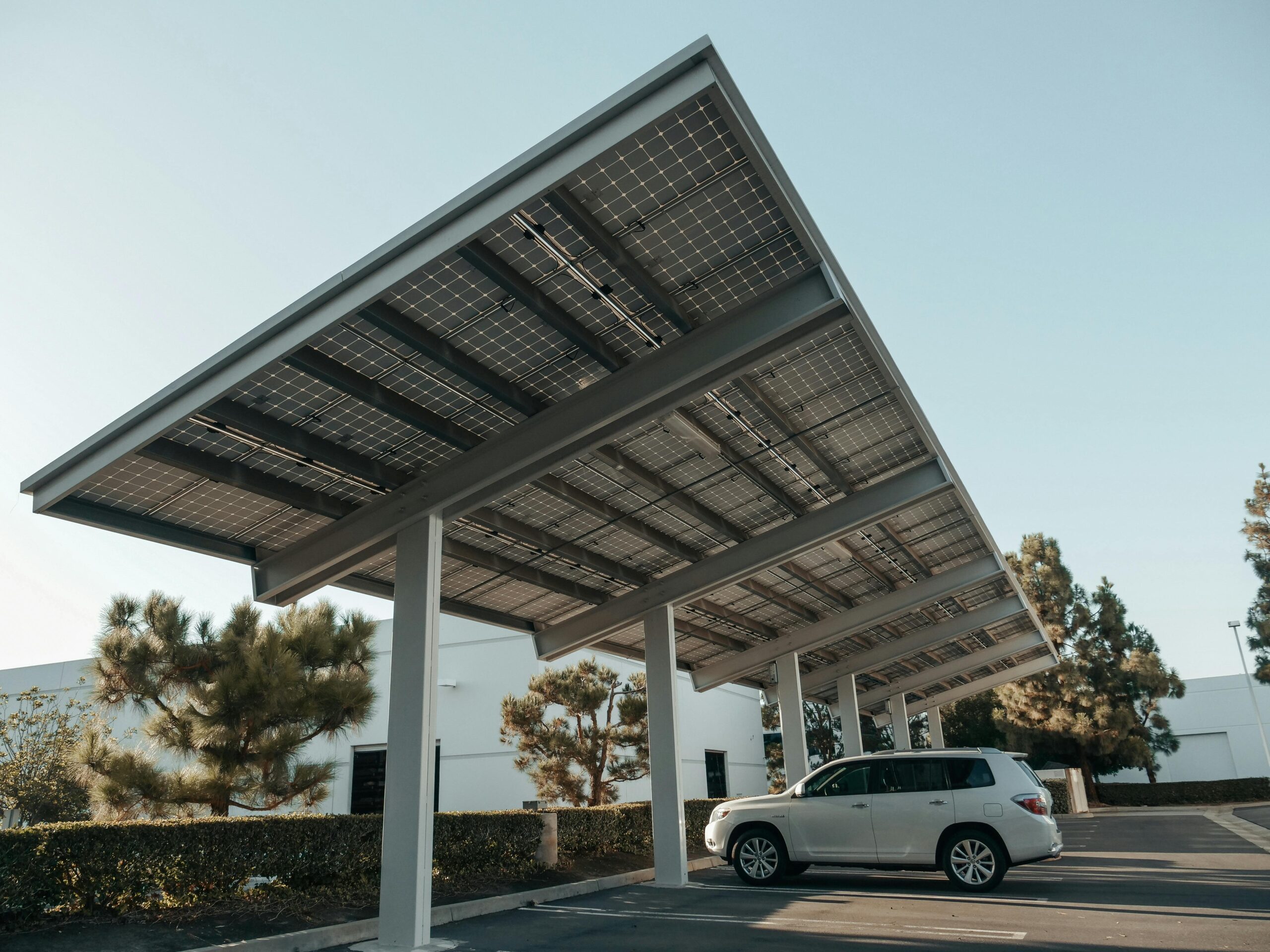
Maximizing solar energy potential requires intentional urban design. Cities like San Francisco mandate solar installation on new buildings, while Freiburg, Germany, has created entire solar-powered neighborhoods. Building-integrated photovoltaics (BIPV) transform facades and windows into power generation surfaces without compromising aesthetics.
Community solar programs democratize renewable energy access, allowing renters and residents without suitable rooftops to invest in shared solar installations. These programs expand renewable energy adoption while building community connections and energy literacy.
District Energy Systems
Centralized heating and cooling networks dramatically improve urban energy efficiency by serving multiple buildings from optimized generation facilities. These systems can utilize waste heat from industrial processes, geothermal energy, or large-scale heat pumps, reducing individual building equipment requirements while cutting emissions by 50-90% compared to conventional systems.
Stockholm’s district heating network serves 800,000 residents, utilizing waste heat from data centers, supermarkets, and industrial facilities. The system continues expanding, demonstrating how cities can transform waste energy into valuable resources.
Resilient Transportation Networks
Urban transportation contributes approximately 25% of global CO2 emissions, making system transformation essential for climate resilience. Sustainable mobility prioritizes active transportation, public transit, and electric vehicles while reducing private car dependence.
Complete Streets and Active Transportation 🚴
Complete streets design ensures safe, convenient access for pedestrians, cyclists, transit users, and vehicles of all types. Protected bicycle lanes, wide sidewalks, traffic calming measures, and abundant street trees create environments that encourage walking and cycling. Copenhagen’s extensive cycling infrastructure enables 62% of residents to commute by bicycle daily, reducing emissions while improving public health and reducing traffic congestion.
E-bike adoption accelerates as battery technology improves and prices decrease. Cities supporting e-bike use through subsidies, charging infrastructure, and protected lanes experience rapid mode shift away from private vehicles, particularly for trips under 10 kilometers.
Electric Public Transit
Electrifying bus fleets eliminates tailpipe emissions while reducing noise pollution and operating costs. Shenzhen, China, operates the world’s first fully electric bus fleet—over 16,000 buses—demonstrating feasibility at massive scale. Electric buses cost 30-40% less to operate than diesel equivalents, with fuel savings offsetting higher upfront costs within 5-7 years.
Climate-Adaptive Building Design
Buildings account for 40% of global energy consumption and 33% of greenhouse gas emissions. Creating climate-resilient cities requires transforming both new construction and existing building stock through passive design strategies, advanced materials, and deep energy retrofits.
Passive House Standards and Beyond 🏠
Ultra-efficient building envelopes dramatically reduce heating and cooling demands through superior insulation, high-performance windows, airtight construction, and heat recovery ventilation. Passive House certified buildings consume 75-90% less energy than conventional structures while providing superior comfort and indoor air quality.
Cool roof technologies reflect solar radiation, reducing building cooling loads by 10-40% while mitigating urban heat island effects. Light-colored or reflective roofing materials maintain surface temperatures 50-60 degrees Fahrenheit cooler than dark roofs, extending material lifespan while cutting energy costs.
Adaptive Reuse and Circular Construction
Transforming existing buildings rather than demolishing and rebuilding preserves embodied carbon while revitalizing neighborhoods. Adaptive reuse projects convert obsolete industrial structures, office buildings, and warehouses into mixed-use developments, preserving architectural heritage while meeting contemporary needs.
Circular construction principles minimize waste by designing buildings for disassembly, using recycled and renewable materials, and planning for future adaptability. Modular construction systems enable building reconfiguration as needs change, extending useful life and reducing resource consumption.
Technology-Enabled Urban Management
Digital technologies enable unprecedented understanding and optimization of urban systems, supporting evidence-based decision-making and responsive infrastructure management.
Internet of Things (IoT) Sensors and Data Analytics 📊
Distributed sensor networks monitor air quality, noise levels, traffic flows, energy consumption, and environmental conditions in real-time. This data enables dynamic system optimization—adjusting street lighting based on pedestrian presence, routing vehicles around congestion, and identifying infrastructure maintenance needs before failures occur.
Barcelona’s smart city initiatives have reduced water consumption by 25% through leak detection systems, cut lighting costs by 30% with adaptive controls, and improved parking efficiency by guiding drivers to available spaces, reducing cruising emissions.
Digital Twins for Urban Planning
Virtual city replicas integrate real-time data with simulation capabilities, allowing planners to model climate scenarios, test interventions, and optimize designs before physical implementation. Singapore’s Virtual Singapore platform enables stakeholders to visualize development proposals, analyze environmental impacts, and coordinate infrastructure investments across agencies.
Community Engagement and Social Resilience
Technical solutions alone cannot create resilient cities. Successful transformation requires inclusive planning processes that engage diverse communities, address equity concerns, and build social cohesion necessary to navigate climate challenges collectively.
Participatory Planning Processes 🤝
Meaningful community engagement ensures climate resilience strategies reflect local priorities and knowledge. Participatory budgeting empowers residents to allocate public funds, often prioritizing green infrastructure, public space improvements, and community facilities. Digital participation platforms expand engagement opportunities, enabling broader input while maintaining transparency.
Climate adaptation planning must address environmental justice, ensuring vulnerable communities receive priority attention rather than bearing disproportionate burdens. Low-income neighborhoods and communities of color often face greater climate risks due to historical disinvestment, inadequate infrastructure, and limited resources for adaptation.
Urban Agriculture and Food Resilience
Local food production enhances climate resilience while providing fresh produce, creating green spaces, and building community connections. Vertical farms, rooftop gardens, and community plots transform underutilized urban spaces into productive landscapes. These initiatives reduce food transportation emissions, strengthen food security, and provide educational opportunities.
Financing Climate-Resilient Transformation
Implementing comprehensive urban climate resilience requires substantial investment—estimated at $4.5 trillion annually through 2030. Innovative financing mechanisms mobilize necessary capital while ensuring equitable distribution of costs and benefits.
Green Bonds and Climate Financing 💰
Green bonds channel investment toward environmental projects, reaching $500 billion in annual issuance. Cities worldwide issue green bonds funding renewable energy installations, public transit expansion, energy-efficient building retrofits, and green infrastructure development. Transparent reporting and third-party verification ensure funds support genuine climate benefits.
Public-private partnerships leverage private sector expertise and capital for climate infrastructure while maintaining public oversight and accountability. Performance-based contracts align incentives, rewarding providers for delivering verified outcomes such as energy savings or emissions reductions.
Building Tomorrow’s Resilient Cities Today
The transformation toward climate-resilient cities represents humanity’s greatest urban challenge and opportunity. Success requires integrating green infrastructure, renewable energy, sustainable transportation, efficient buildings, and smart technologies within inclusive governance frameworks that prioritize equity and community engagement.
Cities pioneering these approaches demonstrate that climate resilience and urban prosperity reinforce each other. Green infrastructure creates healthier, more attractive environments that draw investment and talent. Energy efficiency reduces operating costs while improving building performance. Sustainable transportation enhances mobility while cutting emissions and improving public health.
The scale of required transformation appears daunting, yet momentum builds as technologies mature, costs decline, and successful examples proliferate. Every neighborhood retrofitted, every bus electrified, every tree planted, and every solar panel installed moves cities closer to climate resilience. The cities we build today will determine whether future generations inherit livable urban environments or deteriorating landscapes overwhelmed by climate chaos.
Urban transformation begins with vision, advances through action, and succeeds through persistence. The innovative solutions exist; the challenge lies in implementation at the pace and scale required. Climate-resilient cities of tomorrow take shape through thousands of decisions made today—by planners, policymakers, businesses, and residents committed to sustainable urban futures. Together, we can transform urban landscapes into thriving, resilient communities that not only survive climate change but flourish despite it. 🌍