
Urban environments worldwide are experiencing a revolutionary transformation as architects and designers integrate natural elements into cityscapes. This shift toward biophilic architecture represents more than aesthetic enhancement—it’s a fundamental reimagining of how we interact with our surroundings.

The concrete jungles that once defined metropolitan areas are gradually giving way to living, breathing spaces that honor our innate connection to nature. This movement addresses the growing concern about urban dwellers’ physical and mental well-being while creating sustainable, resilient cities for future generations. By bringing nature back into our daily urban experiences, we’re rediscovering an essential part of what makes us human.
🌿 Understanding Biophilic Design Principles
Biophilic architecture stems from biophilia, the inherent human tendency to seek connections with nature and other forms of life. This design philosophy acknowledges that despite our technological advancement, humans remain fundamentally connected to the natural world. Our evolutionary history has hardwired us to respond positively to natural environments, making biophilic design not just pleasant, but psychologically and physiologically beneficial.
The core principles of biophilic architecture extend beyond simply adding plants to buildings. They encompass direct experiences of nature through natural light, ventilation, water features, and vegetation. Indirect experiences manifest through natural materials, colors, patterns, and forms that evoke nature. Finally, spatial experiences create environments that mimic natural settings through prospect and refuge, organized complexity, and integration with the broader ecosystem.
The Science Behind Nature’s Impact
Research consistently demonstrates that exposure to natural elements reduces stress hormones, lowers blood pressure, and improves cognitive function. Studies conducted in office environments with biophilic features show increased productivity by up to 15% and enhanced creativity among workers. Hospital patients with views of nature recover faster and require less pain medication than those facing brick walls.
These measurable benefits have transformed biophilic design from an aesthetic preference into an evidence-based approach to architecture. The physiological responses to natural elements are remarkably consistent across cultures and demographics, suggesting a universal human need for nature connection that transcends individual preferences or cultural conditioning.
🏙️ Transforming Concrete Landscapes
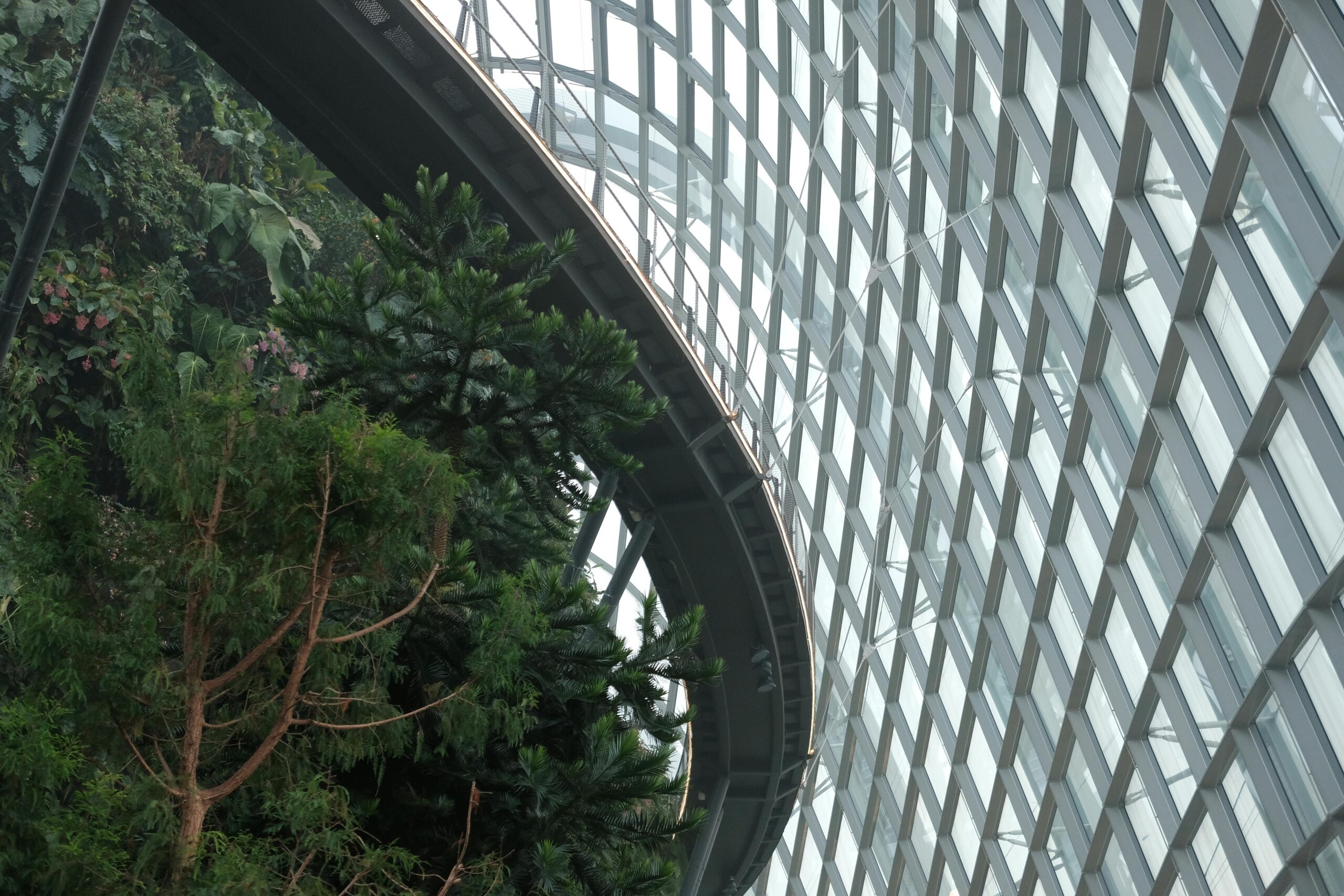
Cities around the globe are embracing biophilic architecture to address urbanization challenges. Singapore’s transformation into a “City in a Garden” exemplifies comprehensive biophilic urban planning. The Gardens by the Bay, with its iconic supertrees, and the extensive network of skyrise greenery demonstrate how technology and nature can coexist harmoniously. Building regulations now mandate green spaces in new developments, creating vertical forests that clean air and reduce urban heat.
Milan’s Bosco Verticale, or Vertical Forest, towers stand as monuments to biophilic innovation. These residential buildings house over 20,000 plants, including trees up to nine meters tall, equivalent to one hectare of forest. The vegetation absorbs carbon dioxide, produces oxygen, moderates temperatures, and reduces noise pollution while providing stunning aesthetic appeal and habitat for urban wildlife.
Green Roofs and Living Walls
Green roof technology has evolved from simple vegetated covers to sophisticated ecosystems supporting diverse plant communities and wildlife. These installations provide insulation, reducing heating and cooling costs by up to 30%. They manage stormwater runoff, filter pollutants, and create valuable green space in dense urban areas where ground-level parks may be impossible.
Living walls or vertical gardens have become increasingly sophisticated, incorporating automated irrigation systems and specialized growing media. Beyond their visual impact, these installations significantly improve indoor air quality by filtering toxins and increasing oxygen levels. Companies implementing living walls report reduced employee sick days and improved workplace satisfaction.
💚 Health Benefits of Biophilic Environments
The health implications of biophilic architecture extend across multiple dimensions of well-being. Mental health improvements are particularly significant, with studies showing reduced anxiety, depression, and stress-related disorders among people regularly exposed to biophilic environments. The presence of natural elements triggers the parasympathetic nervous system, promoting relaxation and recovery from mental fatigue.
Physical health benefits include improved immune system function, better sleep quality, and enhanced recovery from illness. Natural lighting regulates circadian rhythms, improving sleep patterns and overall energy levels. Air quality improvements from living plants reduce respiratory issues and allergies. Even brief exposures to natural elements within buildings can lower heart rate and blood pressure, contributing to cardiovascular health.
Cognitive Enhancement and Productivity
Biophilic design significantly impacts cognitive performance and creativity. Natural elements in workspaces improve attention span, problem-solving abilities, and memory retention. The “attention restoration theory” suggests that natural environments provide a break from directed attention fatigue, allowing mental resources to replenish. This explains why employees in biophilic offices report feeling more focused and energized.
Educational environments incorporating biophilic principles show remarkable results. Students in classrooms with natural light, views of nature, and living plants demonstrate improved test scores, better attendance, and enhanced concentration. The calming effect of natural elements reduces behavioral issues and creates more conducive learning environments.
🌳 Design Strategies for Urban Integration
Successful biophilic architecture requires thoughtful integration of multiple strategies. Natural lighting should be maximized through strategic window placement, light wells, and reflective surfaces that distribute daylight throughout interior spaces. Circadian lighting systems that mimic natural light patterns throughout the day can supplement daylighting in spaces where natural light is limited.
Water features provide both visual and auditory connections to nature. Fountains, reflecting pools, and indoor streams create soothing soundscapes that mask urban noise while introducing humidity and cooling effects. The movement and sound of water have profound calming effects, reducing stress and improving concentration.
Material Selection and Natural Patterns
Building materials play a crucial role in biophilic design. Wood, stone, bamboo, and other natural materials create tactile and visual connections to nature. These materials often improve acoustics while contributing to healthier indoor air quality compared to synthetic alternatives. The visible grain patterns, textures, and natural variations in these materials engage our pattern-recognition abilities in ways that artificial materials cannot.
Incorporating natural patterns and forms—fractals, organic curves, and biomimicry—creates spaces that feel inherently comfortable. These patterns appear throughout nature, from tree branches to cloud formations, and our brains process them efficiently and pleasurably. Architectural elements that reference natural forms create psychological comfort even in entirely built environments.
🏗️ Implementing Biophilic Solutions in Existing Structures
Retrofitting existing buildings with biophilic elements presents unique challenges but offers substantial rewards. Starting with simple interventions like introducing potted plants, natural artwork, and wooden furniture can create immediate benefits with minimal investment. Desktop plants alone have been shown to reduce stress and improve air quality in individual workspaces.
More comprehensive renovations might include replacing artificial lighting with full-spectrum bulbs, removing window coverings to maximize natural light, and installing living walls or green screens. Courtyards can be transformed into garden sanctuaries, and rooftops converted into accessible green spaces. Even small-scale interventions accumulate significant benefits when implemented consistently throughout a building.
Community Spaces and Public Access
Public biophilic spaces democratize access to nature’s benefits. Pocket parks, green corridors, and pedestrian zones with extensive planting provide respite within urban density. These spaces become community gathering points that foster social connection while providing ecological benefits. Trees lining streets reduce urban heat island effects while creating pleasant walking environments that encourage active transportation.
Community gardens and urban agriculture initiatives combine biophilic design with food security and social engagement. These spaces provide opportunities for hands-on interaction with nature, building connections between urban residents and natural growth cycles. The act of gardening itself offers therapeutic benefits, combining physical activity, creativity, and nature connection.
🌍 Environmental Sustainability and Urban Ecology
Biophilic architecture contributes significantly to environmental sustainability. Buildings with extensive vegetation reduce energy consumption through natural insulation and cooling. Green infrastructure manages stormwater, reducing flooding risk and preventing pollution from entering waterways. Urban forests and green spaces sequester carbon, offsetting emissions from urban activities.
Creating habitat corridors within cities supports biodiversity and ecosystem health. Native plant selections in biophilic designs attract pollinators, birds, and beneficial insects, creating urban wildlife refuges. These ecological networks strengthen urban resilience while reconnecting city dwellers with the broader natural world. The presence of wildlife in cities provides valuable educational opportunities and enhances quality of life.
Climate Adaptation and Resilience
As climate change intensifies, biophilic architecture offers crucial adaptation strategies. Urban vegetation moderates temperature extremes, reducing heat-related health risks during increasingly frequent heatwaves. Green infrastructure absorbs intense rainfall, protecting against flooding that threatens many cities. Living buildings adapt to changing conditions more flexibly than conventional structures, maintaining comfort with less mechanical intervention.
The cooling effect of urban vegetation can reduce ambient temperatures by several degrees, decreasing air conditioning demands and energy costs. This natural cooling is particularly beneficial for vulnerable populations who may lack access to air conditioning. Trees and plants also improve air quality by filtering particulates and absorbing pollutants, addressing respiratory health concerns exacerbated by climate change.
🎨 Aesthetics and Cultural Expression
Biophilic architecture transcends functional benefits to create aesthetically inspiring spaces. The beauty of natural elements enhances property values and creates memorable experiences that forge emotional connections to places. This aesthetic dimension matters profoundly—beautiful, nature-rich environments inspire care, pride, and stewardship among occupants and visitors.
Different cultures interpret and implement biophilic principles through their unique perspectives and traditions. Japanese gardens, Islamic courtyards, and Scandinavian design each express distinct cultural relationships with nature. Contemporary biophilic architecture can honor local ecological contexts and cultural heritage while employing cutting-edge technology, creating spaces that are simultaneously innovative and rooted in place.
📱 Technology Supporting Biophilic Design
Modern technology enables increasingly sophisticated biophilic implementations. Sensors monitor plant health, soil moisture, and environmental conditions, triggering automated watering and lighting systems. Building management systems optimize natural ventilation and daylight harvesting, maximizing biophilic benefits while minimizing energy consumption. Virtual reality and augmented reality tools help designers and clients visualize biophilic proposals before construction begins.
Smart building technologies learn from occupant behavior and environmental conditions, continuously improving performance. Apps can help building managers maintain living systems effectively, while occupants can learn about the plants surrounding them and their ecological benefits. Data analytics demonstrate the return on investment for biophilic features, helping justify initial costs with long-term savings and benefits.
🚀 Future Directions in Urban Biophilic Design
The future of biophilic architecture promises even deeper integration of natural and built environments. Researchers are developing new materials that support plant growth directly within building structures, creating truly living buildings. Advances in hydroponic and aeroponic technology enable food production within buildings, combining biophilic benefits with urban agriculture.
Urban planning increasingly recognizes biophilic principles at the neighborhood and city scale. Green corridors connect parks and natural areas, creating continuous ecological networks. Transit-oriented development incorporates biophilic features into transportation hubs, making daily commutes more pleasant and healthy. Entire districts are being designed as biophilic ecosystems where nature and urban life interweave seamlessly.
Policy and Regulatory Support
Progressive cities are implementing policies that encourage or mandate biophilic features in new construction and major renovations. Green building certifications increasingly recognize biophilic design, providing frameworks and standards that guide implementation. Incentives like tax breaks, expedited permitting, and density bonuses make biophilic features financially attractive for developers.
Public investment in biophilic infrastructure demonstrates government commitment to health and sustainability. Municipal projects that incorporate extensive green infrastructure serve as models, inspiring private sector adoption. Education programs help architects, planners, and developers understand biophilic principles and implementation strategies, building professional capacity for widespread adoption.
🌟 Creating Your Own Biophilic Space
Individuals can embrace biophilic principles regardless of budget or building ownership. Start by maximizing natural light exposure, arranging furniture near windows and using light-colored, reflective surfaces. Introduce plants appropriate for your light conditions and maintenance capacity—even low-maintenance species provide significant benefits. Choose natural materials for furnishings and finishes when possible, and incorporate natural colors and patterns inspired by outdoor environments.
Create views to nature by positioning desks or seating areas where you can see trees, sky, or water. If external views aren’t available, nature photography and artwork can provide indirect biophilic benefits. Use natural scents from essential oils or fresh herbs to engage multiple senses. Consider adding a small water feature for soothing sounds and humidity. These simple interventions can transform your space into a healthier, more inspiring environment that supports your well-being daily.
The transformation of urban spaces through biophilic architecture represents one of the most promising developments in contemporary design. By reconnecting city dwellers with nature, we address multiple challenges simultaneously—improving health, enhancing sustainability, and creating more livable, resilient cities. As evidence of benefits continues mounting and implementation strategies mature, biophilic design is shifting from innovative exception to expected standard. The future of urban living lies not in separating ourselves from nature, but in thoughtfully integrating natural elements and principles into every aspect of our built environment, creating cities where both people and nature can thrive together.