
The built environment stands at a crossroads where innovation meets environmental responsibility. As climate change accelerates and global consciousness shifts toward sustainability, net-zero and carbon-negative designs are emerging as powerful solutions to reshape our relationship with the planet.

Architects, engineers, developers, and policymakers worldwide are recognizing that traditional construction methods contribute significantly to greenhouse gas emissions. The transition toward sustainable building practices isn’t just an idealistic vision—it’s becoming an economic and environmental necessity that defines the future of human habitation.
🌍 Understanding Net-Zero and Carbon-Negative Architecture
Net-zero buildings produce as much renewable energy as they consume annually, achieving a balance that eliminates their carbon footprint. These structures integrate energy-efficient systems, renewable energy sources, and smart technologies to minimize environmental impact while maintaining comfort and functionality.
Carbon-negative designs go even further by removing more carbon dioxide from the atmosphere than they emit throughout their lifecycle. This ambitious approach incorporates carbon sequestration materials, regenerative landscapes, and circular economy principles that transform buildings from environmental liabilities into ecological assets.
The distinction between these two approaches represents different stages of environmental ambition. While net-zero aims for equilibrium, carbon-negative seeks to actively reverse damage already done, positioning architecture as a tool for planetary healing rather than merely reducing harm.
The Environmental Imperative Behind Sustainable Design
The construction and operation of buildings account for approximately 39% of global carbon emissions, making the sector a critical battleground in the fight against climate change. Traditional concrete production alone contributes nearly 8% of worldwide CO2 emissions, highlighting the urgent need for alternative materials and methodologies.
Energy consumption in buildings represents another massive challenge. Heating, cooling, lighting, and powering our structures consume vast amounts of fossil fuels, perpetuating a cycle of environmental degradation that threatens ecosystem stability and human wellbeing across all continents.
Water scarcity, material depletion, and biodiversity loss further compound these concerns. Sustainable building designs address these interconnected challenges holistically, recognizing that genuine solutions must consider the entire environmental system rather than isolated variables.
Climate Change and the Built Environment
Rising global temperatures are forcing designers to rethink fundamental assumptions about how buildings interact with their environments. Extreme weather events, changing precipitation patterns, and temperature fluctuations demand adaptive structures that can withstand unpredictable conditions while maintaining minimal environmental footprints.
Urban heat islands created by conventional construction materials exacerbate warming in metropolitan areas, creating feedback loops that intensify climate impacts. Green roofs, reflective surfaces, and strategic vegetation placement in net-zero designs help mitigate these localized heating effects while improving air quality.
🏗️ Innovative Materials Driving Sustainable Construction
Material selection forms the foundation of carbon-negative design strategies. Cross-laminated timber (CLT) has emerged as a revolutionary alternative to steel and concrete, offering structural strength while sequestering carbon throughout the building’s lifespan. Engineered wood products store approximately one ton of CO2 per cubic meter, transforming buildings into carbon sinks.
Hempcrete, made from hemp fibers and lime-based binders, provides excellent insulation properties while actively absorbing carbon dioxide as it cures. This breathable material regulates humidity naturally, reduces energy demands for climate control, and decomposes harmlessly at the end of its useful life.
Recycled and upcycled materials are gaining prominence as circular economy principles infiltrate construction practices. Reclaimed steel, recycled concrete aggregates, and repurposed industrial materials reduce embodied carbon while diverting waste from landfills and decreasing demand for virgin resource extraction.
Biomaterials and Living Building Components
Mycelium-based composites represent cutting-edge innovations that grow building materials rather than manufacturing them. Fungal networks create strong, lightweight panels that biodegrade naturally, offering genuine cradle-to-cradle lifecycles that eliminate construction waste entirely.
Algae-based materials are being developed for facades that actively clean air while generating biomass for energy production. These living building skins blur the boundary between structure and ecosystem, creating symbiotic relationships between human habitation and natural processes.
Energy Systems Powering Net-Zero Buildings
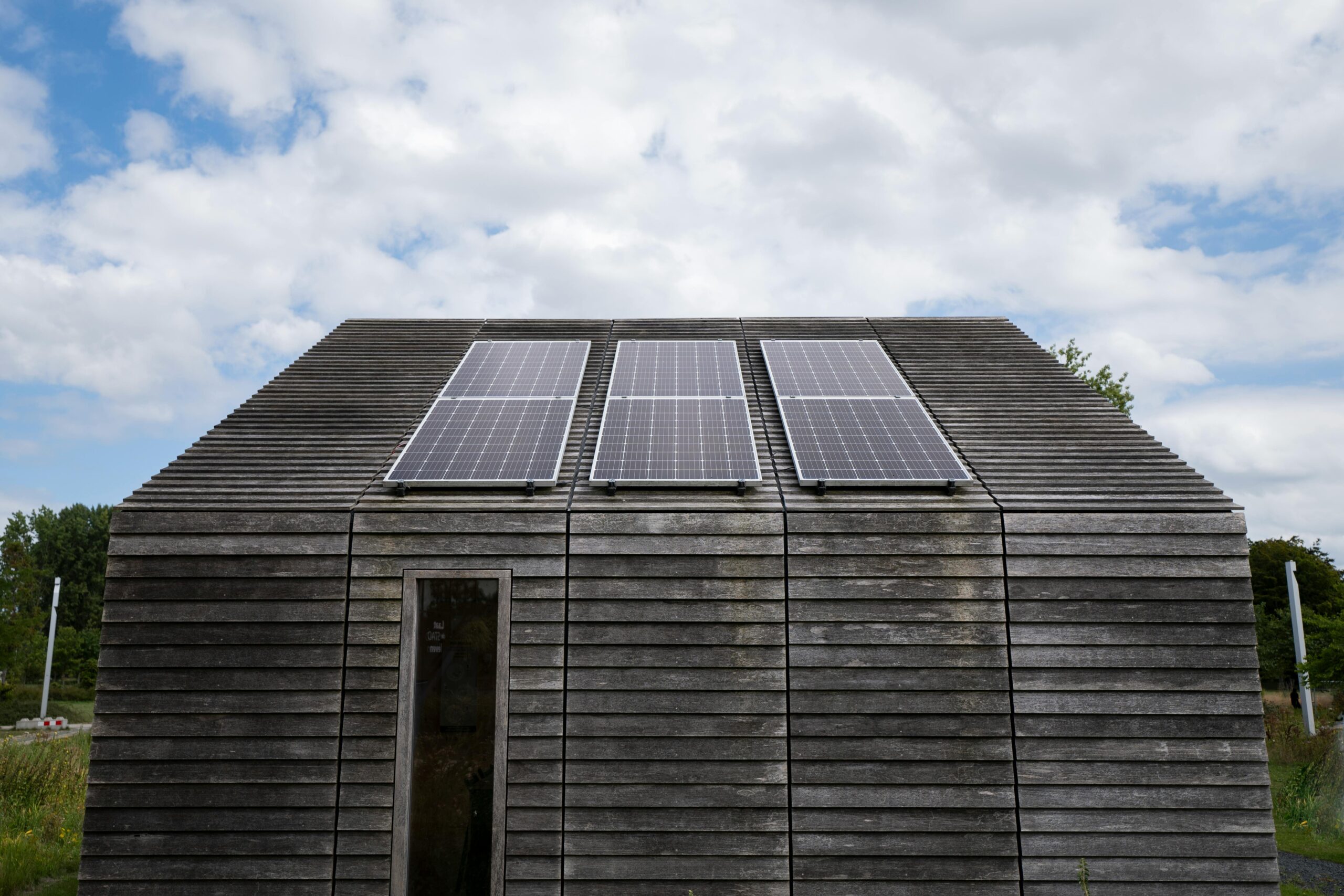
Photovoltaic integration has evolved beyond rooftop panels to include building-integrated photovoltaics (BIPV) that serve as both structural elements and energy generators. Solar windows, photovoltaic facades, and energy-generating roof tiles maximize renewable energy capture without compromising architectural aesthetics.
Geothermal heat pumps tap into stable underground temperatures to provide efficient heating and cooling with minimal electricity consumption. These systems significantly reduce operational carbon footprints while offering long-term cost savings that improve over time as fossil fuel prices fluctuate.
Energy storage solutions have become essential components of net-zero designs, enabling buildings to maintain energy independence during low-production periods. Advanced battery systems, thermal storage, and emerging technologies like gravity-based storage ensure continuous operation without grid dependency.
Smart Energy Management Systems
Artificial intelligence and machine learning optimize energy consumption by predicting usage patterns, adjusting systems proactively, and identifying inefficiencies in real-time. These intelligent platforms transform buildings into responsive organisms that adapt to occupant needs while minimizing waste.
Micro-grid technologies enable communities of buildings to share renewable energy resources, creating resilient networks that enhance sustainability at neighborhood scales. This collaborative approach maximizes renewable energy utilization and provides backup systems during emergencies or grid failures.
🌿 Passive Design Strategies Maximizing Efficiency
Passive solar design harnesses natural light and heat through strategic building orientation, window placement, and thermal mass integration. These time-tested principles reduce mechanical system demands dramatically, often cutting energy requirements by 40-60% compared to conventional structures.
Natural ventilation systems eliminate or significantly reduce air conditioning needs by leveraging pressure differentials, stack effects, and cross-ventilation. Carefully designed airflow paths maintain comfort while consuming zero operational energy, demonstrating that comfort and sustainability can coexist harmoniously.
Daylighting strategies minimize artificial lighting requirements through skylights, light shelves, and reflective surfaces that distribute natural illumination deep into building interiors. Beyond energy savings, these approaches improve occupant wellbeing, productivity, and connection to natural rhythms.
Thermal Performance and Insulation Innovation
Super-insulation techniques using aerogels, vacuum insulated panels, and advanced foam systems create thermal envelopes that drastically reduce heat transfer. These high-performance barriers maintain interior comfort with minimal energy input regardless of external temperature extremes.
Phase-change materials absorb and release thermal energy at specific temperatures, passively regulating indoor climates without mechanical intervention. Integrated into walls, ceilings, or floors, these materials act as thermal batteries that smooth temperature fluctuations throughout daily cycles.
Water Management in Sustainable Buildings
Rainwater harvesting systems capture precipitation for non-potable uses including irrigation, toilet flushing, and cooling tower makeup water. These closed-loop approaches reduce municipal water demand while managing stormwater runoff that otherwise contributes to urban flooding and water pollution.
Greywater recycling treats wastewater from sinks, showers, and laundry for reuse in landscape irrigation or toilet flushing. Advanced filtration systems make this practice safe and effective, cutting fresh water consumption by 30-50% in residential applications.
Living walls and green roofs provide natural water filtration, reduce runoff volumes, and create evaporative cooling effects that lower building temperatures. These vegetated surfaces also restore habitat for urban wildlife while improving air quality and resident mental health.
📊 Measuring and Certifying Sustainable Performance
LEED (Leadership in Energy and Environmental Design) certification provides standardized frameworks for evaluating building sustainability across multiple categories including energy, water, materials, and indoor environmental quality. These metrics enable objective comparisons and drive continuous improvement across the industry.
The Living Building Challenge represents the most rigorous sustainability standard, requiring net-positive energy and water performance along with red-list material avoidance and social equity considerations. Only the most ambitious projects achieve this certification, demonstrating what’s possible when sustainability becomes the primary design driver.
BREEAM, WELL Building Standard, and regional certification programs offer alternative frameworks tailored to specific geographic contexts and priorities. This diversity ensures that sustainability assessment remains flexible enough to accommodate varied climates, cultures, and construction traditions.
Performance Monitoring and Verification
Post-occupancy evaluation ensures that theoretical design performance translates into actual operational outcomes. Continuous monitoring reveals discrepancies between predicted and achieved results, enabling adjustments that optimize building systems and inform future design decisions.
Building energy modeling software has become increasingly sophisticated, allowing designers to test countless scenarios virtually before construction begins. These digital twins predict performance with remarkable accuracy, reducing risks and enabling confident innovation in sustainable design approaches.
🏙️ Urban-Scale Sustainability and Master Planning
Net-zero districts and carbon-negative neighborhoods scale sustainable principles beyond individual buildings to entire communities. Shared renewable energy systems, district heating and cooling, and integrated transportation networks create synergies impossible at single-building scales.
Transit-oriented development reduces transportation emissions by clustering residential, commercial, and recreational spaces around public transit hubs. This urban form decreases automobile dependency while creating vibrant, walkable communities that enhance quality of life.
Urban forests and green infrastructure networks provide ecosystem services including carbon sequestration, air purification, temperature moderation, and stormwater management. These natural systems complement built infrastructure while restoring biodiversity to metropolitan environments.
Circular Economy Principles in Urban Development
Designing for disassembly enables building components to be recovered and reused at end-of-life, eliminating construction waste while creating material banks for future projects. This approach transforms the linear “take-make-dispose” model into regenerative cycles that preserve resources indefinitely.
Industrial symbiosis creates networks where one facility’s waste becomes another’s raw material, eliminating the concept of trash through systematic resource circulation. These arrangements reduce virgin material extraction while creating economic efficiencies that benefit all participants.
Economic Considerations and Financial Incentives
While sustainable buildings often carry higher upfront costs, lifecycle analysis consistently demonstrates superior long-term financial performance. Energy savings, reduced maintenance requirements, and enhanced property values generate returns that typically recover initial investments within 5-10 years.
Government incentives including tax credits, accelerated depreciation, grants, and low-interest loans improve project economics while signaling policy priorities. These financial tools help bridge the gap between conventional and sustainable construction costs during the market transition period.
Green bonds and sustainability-linked financing mechanisms provide capital specifically for environmental projects at favorable terms. Institutional investors increasingly demand ESG (Environmental, Social, Governance) performance, creating market pressures that accelerate sustainable building adoption.
🔮 Future Trends Shaping Sustainable Architecture
Carbon-capturing concrete containing bacteria that precipitate limestone or formulations incorporating industrial CO2 waste are transforming construction’s most problematic material into a climate solution. These innovations could revolutionize infrastructure while addressing legacy emissions from previous development.
3D-printed buildings using earth-based materials or recycled plastics promise to democratize sustainable construction, reducing costs and construction timelines while eliminating waste. This technology enables complex geometries that optimize performance while consuming minimal resources.
Biophilic design principles that integrate nature throughout buildings are gaining scientific validation for their impacts on human health, productivity, and wellbeing. These approaches recognize that sustainability must address human flourishing alongside environmental protection to achieve genuine, lasting transformation.
Policy and Regulatory Evolution
Building codes are increasingly incorporating sustainability requirements as baseline standards rather than optional upgrades. Progressive jurisdictions mandate net-zero performance for new construction, creating regulatory frameworks that normalize sustainable practices across entire markets.
Carbon pricing mechanisms that assign monetary costs to emissions make sustainable designs economically advantageous by accurately accounting for environmental externalities. These market-based approaches harness economic incentives to drive environmental outcomes without prescriptive regulations.
Transforming Vision Into Reality
The transition toward net-zero and carbon-negative buildings represents one of humanity’s most significant opportunities to mitigate climate change while creating healthier, more resilient communities. Every project completed, every innovation implemented, and every standard adopted accelerates momentum toward a sustainable future.
Collaboration among designers, builders, policymakers, and building occupants remains essential for realizing this transformation. Sustainable architecture cannot succeed in isolation—it requires systemic changes across industries, regulations, finance, and cultural expectations about what buildings should be and do.
The buildings we construct today will shape our environmental legacy for generations. By embracing net-zero and carbon-negative designs now, we’re not merely reducing harm—we’re actively building a greener planet where architecture heals rather than harms, where human spaces restore rather than deplete, and where the built environment becomes part of the solution to our greatest challenges. 🌱