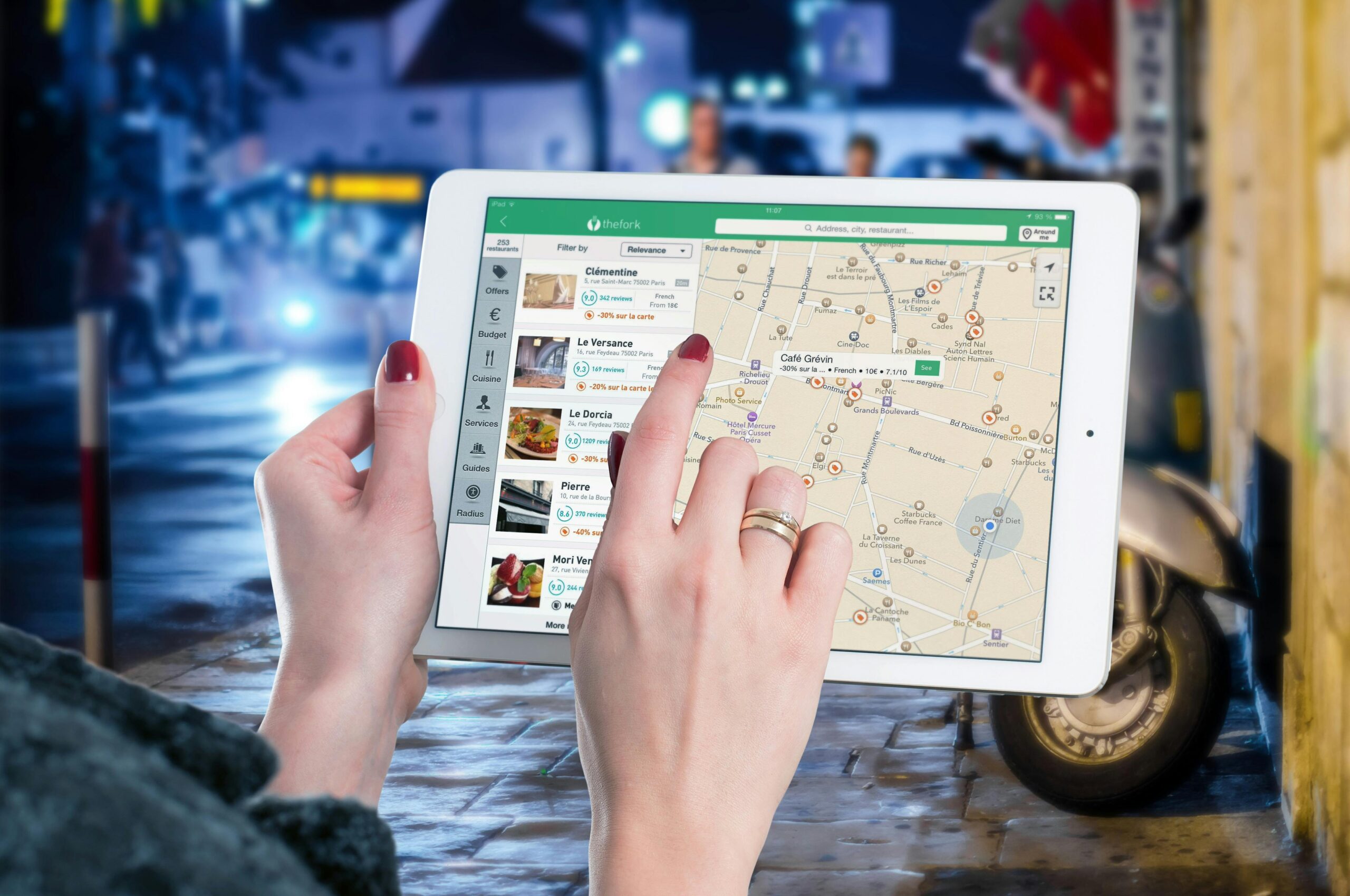
The urban landscape is transforming rapidly, and smart mobility platforms are at the forefront of this revolution. These innovative systems are reshaping how millions of people navigate cities daily, combining various transportation modes into unified, user-friendly experiences.

Modern travelers demand efficiency, sustainability, and convenience. Gone are the days when commuters relied solely on personal vehicles or single-mode public transport. Today’s smart mobility solutions integrate buses, trains, bikes, scooters, ride-sharing, and walking routes into comprehensive journey planning tools that optimize time, cost, and environmental impact.
🚀 The Evolution of Urban Transportation Integration
Urban mobility has undergone dramatic changes over the past decade. Traditional transportation systems operated in silos, with each mode functioning independently. Commuters needed multiple apps, payment methods, and schedules to plan even simple journeys across different transport networks.
Smart mobility platforms emerged as the solution to this fragmentation. These sophisticated systems leverage real-time data, artificial intelligence, and user-centric design to create seamless connections between diverse transportation options. The result is a mobility ecosystem where transitions between buses, trains, shared bikes, and other modes feel effortless.
Cities like Singapore, Helsinki, and Barcelona have pioneered integrated mobility platforms that demonstrate the transformative potential of unified transport systems. These implementations show significant reductions in private car usage, decreased congestion, and improved air quality metrics across metropolitan areas.
Core Components of Smart Mobility Platforms 🔧
Successful multi-modal transportation platforms share several essential characteristics that enable their functionality and user adoption. Understanding these components reveals how technology bridges the gap between fragmented transport services.
Real-Time Data Integration and Processing
The foundation of any smart mobility platform is its ability to aggregate and process vast amounts of real-time transportation data. This includes vehicle locations, traffic conditions, service disruptions, weather patterns, and passenger demand across all available transport modes.
Advanced algorithms analyze this information instantaneously, providing users with accurate arrival times, optimal route suggestions, and dynamic pricing information. Machine learning models continuously improve predictions by learning from historical patterns and user behavior.
Unified Payment Systems
One of the most significant barriers to multi-modal transport adoption has been payment complexity. Smart mobility platforms eliminate this friction by implementing unified payment solutions that work across all transport modes.
Users can pay for buses, metro rides, bike rentals, and ride-sharing services through a single digital wallet. Some platforms even incorporate subscription models offering unlimited travel across multiple services for fixed monthly fees, similar to streaming service bundles.
Intelligent Journey Planning
The heart of smart mobility platforms is their journey planning capability. These systems consider multiple variables when suggesting routes, including travel time, cost, carbon footprint, physical accessibility, and user preferences.
Sophisticated routing engines evaluate countless combinations of transport modes, calculating the optimal mix for each journey. Users can specify priorities such as fastest route, cheapest option, most eco-friendly path, or least crowded transport to receive personalized recommendations.
Benefits Transforming Urban Commuting 🌟
The adoption of integrated mobility platforms delivers substantial advantages for individuals, cities, and the environment. These benefits extend far beyond simple convenience, fundamentally altering urban transportation dynamics.
Reduced Travel Time and Stress
Smart platforms minimize the cognitive load associated with trip planning. Users no longer need to consult multiple sources, calculate connections, or worry about missing transfers. The system handles complexity, providing clear step-by-step guidance that reduces anxiety and saves valuable time.
Real-time updates alert travelers to delays, suggest alternative routes during disruptions, and ensure smoother journeys. This reliability increases confidence in public transportation, encouraging modal shifts away from private vehicles.
Economic Accessibility
Multi-modal platforms promote economic efficiency by helping users identify the most cost-effective travel options. Transparent pricing across different modes enables informed decisions, while bundled subscriptions often provide better value than individual service payments.
For cities, reduced car dependency decreases infrastructure maintenance costs and frees urban space previously dedicated to parking for more productive uses like housing, parks, and commercial development.
Environmental Sustainability
Perhaps the most compelling benefit is the environmental impact. Smart mobility platforms facilitate greener transportation choices by making sustainable options more convenient and visible. Many platforms display the carbon footprint of different route options, encouraging eco-conscious decisions.
Studies show that cities with well-implemented integrated mobility systems experience measurable reductions in greenhouse gas emissions, air pollution, and noise levels. The shift toward shared and public transport significantly decreases per-capita environmental impact.
Leading Technologies Powering the Revolution 💡
Several technological innovations work in concert to enable smart mobility platforms. Understanding these technologies reveals the sophisticated infrastructure supporting seamless urban journeys.
Artificial Intelligence and Machine Learning
AI algorithms predict demand patterns, optimize vehicle routing, and personalize user experiences. Machine learning models analyze millions of journey data points to improve recommendations and anticipate transportation needs before users explicitly request them.
Predictive maintenance systems use AI to monitor vehicle health across fleets, reducing service disruptions and improving reliability. Natural language processing enables conversational interfaces, allowing users to plan trips through voice commands or chatbot interactions.
Internet of Things (IoT) Connectivity
IoT sensors throughout urban infrastructure provide the constant data stream that smart platforms require. Connected vehicles transmit location and capacity information, smart bus stops display real-time arrival information, and shared mobility devices report their status and availability.
This interconnected ecosystem creates a living map of urban mobility, updating continuously as conditions change throughout the day. The granular visibility enables responsive system adjustments that optimize overall network performance.
Blockchain for Trust and Transparency
Some advanced platforms incorporate blockchain technology to ensure secure, transparent transactions across multiple service providers. Distributed ledger systems facilitate seamless payments while maintaining user privacy and data security.
Smart contracts automate revenue sharing among transport operators, reducing administrative overhead and enabling more collaborative business models between traditionally competing services.
Popular Smart Mobility Applications Worldwide 📱
Several pioneering applications have set standards for integrated mobility platforms, demonstrating practical implementation of these concepts in diverse urban environments.
Citymapper: The Urban Navigation Pioneer
Citymapper has established itself as a leader in multi-modal journey planning across major cities globally. The platform integrates public transport, bike-sharing, ride-hailing, and walking directions into comprehensive route options with characteristic humor and design elegance.
The application’s strength lies in its detailed local knowledge, providing neighborhood-specific information and alternative routes that even longtime residents might not know. Real-time service updates and disruption notifications keep users informed during their journeys.
Moovit: Community-Powered Transit Information
Moovit combines official transit data with community-contributed information, creating a comprehensive mobility platform covering over 3,400 cities worldwide. This crowdsourced approach ensures current, accurate information even in locations where official data may be incomplete.
The platform’s accessibility features make it particularly valuable for users with mobility challenges, providing wheelchair-accessible route options and detailed station facility information.
Whim: Mobility-as-a-Service Innovation
Helsinki’s Whim application pioneered the Mobility-as-a-Service (MaaS) concept, offering subscription packages that bundle unlimited public transport with taxi and car rental credits. This Netflix-style approach to urban mobility has influenced platform development worldwide.
By treating transportation as a service rather than asset ownership, Whim demonstrates how integrated platforms can fundamentally reshape transportation economics and user behavior patterns.
Challenges Facing Platform Implementation 🚧
Despite tremendous potential, smart mobility platforms face significant obstacles that affect deployment speed and effectiveness. Addressing these challenges requires coordinated efforts from technology providers, transport operators, and government authorities.
Data Standardization and Sharing
Transport operators often use incompatible data formats and protect information as competitive advantages. Creating truly integrated platforms requires industry-wide data standards and willingness to share operational information.
Regulatory frameworks like the European Union’s Delegated Regulation on multimodal travel information services establish requirements for data sharing, but implementation remains inconsistent across regions and operators.
Digital Divide and Accessibility
Smart mobility platforms assume smartphone ownership and digital literacy, potentially excluding vulnerable populations. Ensuring equitable access requires maintaining traditional ticketing options alongside digital solutions and designing interfaces for diverse user capabilities.
Platforms must accommodate users with visual, hearing, cognitive, or mobility impairments through universal design principles rather than treating accessibility as an afterthought.
Privacy and Data Security Concerns
Integrated platforms collect extensive personal information about travel patterns, locations, and behaviors. Protecting this sensitive data while delivering personalized services requires robust security measures and transparent privacy policies.
Users increasingly demand control over their information, including the ability to limit data collection, understand how information is used, and delete their data when desired. Platforms must balance personalization benefits with privacy protection.
The Future Landscape of Integrated Urban Mobility 🔮
Smart mobility platforms continue evolving rapidly, with emerging technologies and changing urban priorities shaping their development trajectory. Several trends indicate where integrated transportation is heading in the coming years.
Autonomous Vehicle Integration
Self-driving vehicles will eventually become another mode within multi-modal platforms, offering on-demand, point-to-point transport without human drivers. Integration challenges include coordinating autonomous vehicles with traditional transport and managing the transition period when both operate simultaneously.
Successful integration could dramatically improve first-mile and last-mile connectivity, addressing a persistent weakness in public transportation networks and extending effective service areas.
Hyper-Personalization Through AI
Future platforms will anticipate user needs with minimal input, learning individual preferences, routines, and priorities. Proactive notifications will suggest departures before users search, adjust routes based on calendar appointments, and recommend new mobility options aligned with personal values.
Context-aware systems will consider factors like weather, local events, personal fitness goals, and social plans when suggesting transport options, creating truly intelligent travel assistants.
Integration with Smart City Infrastructure
Mobility platforms will increasingly connect with broader smart city systems, including traffic management, energy grids, and urban planning tools. This integration enables system-wide optimization that balances individual convenience with collective efficiency.
Dynamic pricing might adjust based on network capacity, incentivizing route changes that reduce congestion. Coordination between mobility platforms and traffic signals could prioritize high-occupancy vehicles, improving overall system throughput.
Making the Transition to Integrated Mobility 🌍
For cities and users ready to embrace smart mobility platforms, several practical steps facilitate successful transitions and maximize benefits from integrated transportation systems.
Starting Your Multi-Modal Journey
Individual users can begin by downloading comprehensive mobility apps serving their region and experimenting with suggested multi-modal routes. Even occasional use helps familiarize users with different transport options and builds confidence in alternative modes.
Setting preferences for sustainability, cost, or speed helps platforms deliver relevant recommendations. Over time, users discover transportation combinations they might never have considered, often finding options superior to habitual choices.
Urban Policy Frameworks
Cities should establish regulatory frameworks encouraging data sharing, interoperability, and fair competition while protecting users and ensuring service quality. Open data policies make transportation information publicly available, enabling innovation and platform development.
Investment in digital and physical infrastructure supporting multi-modal transport—including bike lanes, integrated payment systems, and real-time information displays—creates conditions where smart platforms can thrive.
Collaborative Ecosystem Development
Successful integrated mobility requires collaboration among traditionally separate stakeholders. Transport operators, technology companies, city governments, and user communities must work together to create systems serving collective interests rather than narrow organizational goals.
Public-private partnerships can accelerate implementation while ensuring platforms serve public policy objectives like sustainability, equity, and livability alongside commercial viability.

Transforming Cities Through Connected Journeys 🏙️
Smart mobility platforms represent more than technological advancement—they embody a fundamental reimagining of urban transportation. By uniting diverse modes into coherent, accessible systems, these platforms enable cities to function more efficiently while improving quality of life for residents.
The revolution in urban mobility is already underway, with millions of daily users experiencing the benefits of integrated transportation. As platforms mature and expand, they promise to reshape urban landscapes, reducing car dependency, improving environmental outcomes, and creating more livable, connected communities.
The journey toward seamless urban mobility continues, driven by innovation, collaboration, and a shared vision of cities where getting around is effortless, sustainable, and accessible to all. Smart mobility platforms are not just changing how we travel—they’re transforming how we experience and inhabit urban spaces in the 21st century.