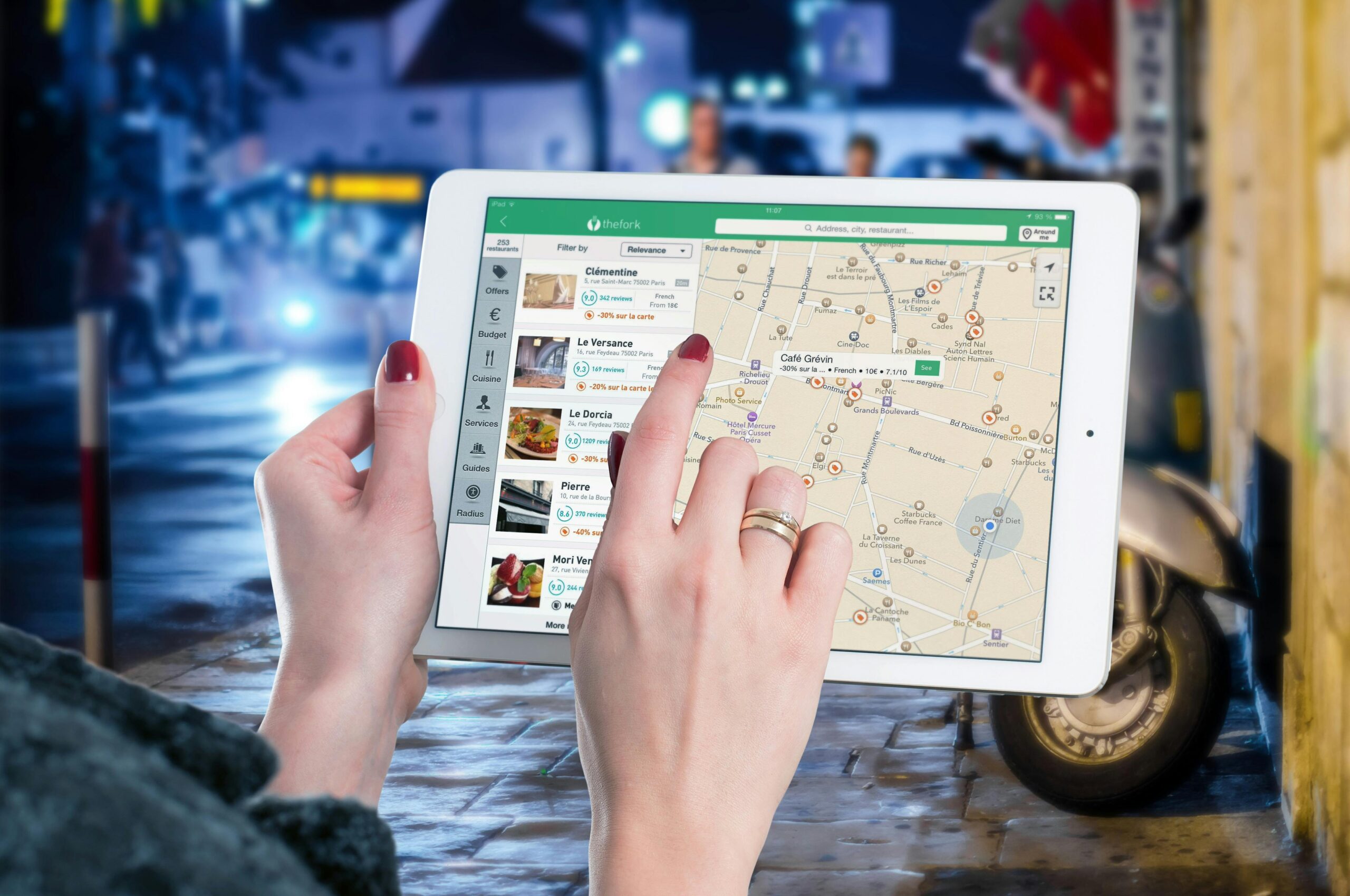
Artificial intelligence is transforming cities into living, breathing ecosystems that respond intelligently to the needs of millions of residents in real-time.

The convergence of AI-powered decision systems with urban infrastructure represents one of the most significant technological leaps in modern governance. As metropolitan areas continue to expand at unprecedented rates, traditional management approaches struggle to keep pace with the complexity of contemporary urban challenges. From traffic congestion to energy consumption, waste management to public safety, cities now generate massive volumes of data that hold the key to optimizing virtually every aspect of urban life. The integration of artificial intelligence into these systems doesn’t just process this information—it transforms raw data into actionable intelligence that revolutionizes how cities operate, adapt, and serve their populations.
🏙️ The Foundation of AI-Driven Urban Intelligence
Smart cities leverage interconnected sensors, IoT devices, and sophisticated algorithms to create comprehensive digital twins of physical urban environments. These virtual replicas continuously collect and analyze data from countless sources: traffic cameras, environmental sensors, utility meters, mobile devices, and public transportation systems. The neural networks powering these systems learn patterns and predict outcomes with remarkable accuracy, enabling city administrators to make proactive rather than reactive decisions.
The computational infrastructure behind these systems processes billions of data points daily. Machine learning algorithms identify correlations that human analysts might never discover, revealing hidden inefficiencies and optimization opportunities across municipal operations. This technological foundation creates an unprecedented capacity for evidence-based governance, where policy decisions rest on empirical data rather than intuition or outdated metrics.
Real-Time Data Processing and Edge Computing
Modern smart city architectures distribute computational power throughout urban networks using edge computing technologies. Rather than transmitting all data to centralized servers, intelligent processing occurs at the network’s periphery—directly where information originates. This approach dramatically reduces latency, enabling split-second decision-making essential for critical applications like autonomous vehicle coordination or emergency response systems.
The advantages of edge computing in urban environments extend beyond speed. Distributed processing enhances system resilience, ensuring that localized failures don’t compromise citywide operations. Privacy concerns also benefit from this architecture, as sensitive personal data can be anonymized or processed locally rather than transmitted across networks.
🚦 Revolutionizing Transportation and Mobility
Traffic management represents one of the most visible and impactful applications of AI in urban governance. Traditional traffic light systems operate on fixed timers or simple sensors, unable to adapt to dynamic flow patterns. AI-powered traffic management systems analyze real-time conditions across entire metropolitan networks, adjusting signal timing millisecond by millisecond to optimize vehicle flow, reduce congestion, and minimize travel times.
These intelligent systems consider multiple variables simultaneously: current traffic density, historical patterns, weather conditions, special events, and even predicted behavioral changes based on time of day or day of week. The results speak volumes—cities implementing comprehensive AI traffic management report congestion reductions of 20-40%, with corresponding decreases in vehicle emissions and fuel consumption.
Predictive Maintenance for Transportation Infrastructure
AI algorithms continuously monitor the structural health of roads, bridges, and tunnels through sensor networks and image recognition systems. Machine learning models trained on decades of infrastructure data predict maintenance needs before failures occur, enabling preventive interventions that save municipalities millions in emergency repairs while improving public safety.
Public transportation systems benefit equally from predictive analytics. AI forecasts demand patterns, optimizes route scheduling, and identifies potential mechanical issues in vehicles before breakdowns occur. Passengers experience more reliable service, while transit authorities operate more efficiently with reduced operational costs.
⚡ Energy Management and Environmental Sustainability
Smart grids powered by artificial intelligence revolutionize urban energy distribution and consumption. These systems balance supply and demand in real-time, integrating renewable energy sources like solar and wind that produce variable output. AI algorithms predict energy consumption patterns across neighborhoods and districts, adjusting distribution to prevent waste while maintaining reliability.
Buildings equipped with intelligent energy management systems automatically adjust heating, cooling, and lighting based on occupancy patterns, weather forecasts, and energy costs. City-wide coordination of these systems creates virtual power plants, where distributed resources collectively stabilize the grid during peak demand periods without requiring additional generation capacity.
Environmental Monitoring and Air Quality Management
AI-powered sensor networks continuously monitor air quality, water contamination, noise pollution, and other environmental factors across urban areas. These systems don’t merely collect data—they identify pollution sources, predict environmental hazards, and recommend specific interventions to mitigate problems. City planners receive actionable intelligence about how proposed developments might impact local environmental conditions, enabling more informed decision-making.
Some advanced systems even adjust traffic patterns in real-time to reduce emissions in areas where air quality deteriorates, redirecting vehicles through alternative routes to protect public health. This dynamic environmental management represents a quantum leap beyond traditional monitoring approaches.
🚨 Public Safety and Emergency Response
Artificial intelligence transforms public safety operations from reactive to predictive. Predictive policing algorithms analyze crime patterns, social media activity, emergency call data, and environmental factors to forecast where incidents are most likely to occur. This enables strategic deployment of limited police resources to areas where they’ll have maximum preventive impact.
Emergency response coordination benefits tremendously from AI-powered dispatch systems. When accidents, fires, or medical emergencies occur, intelligent systems instantly analyze optimal response strategies: which units should respond, which routes minimize travel time given current traffic conditions, what resources the situation requires, and even what hazards responders might encounter based on building data and incident history.
Disaster Management and Resilience Planning
Climate change intensifies natural disasters, making urban resilience increasingly critical. AI systems simulate disaster scenarios—floods, earthquakes, hurricanes, wildfires—to identify vulnerabilities in urban infrastructure and populations. These models inform evacuation planning, resource prepositioning, and infrastructure hardening investments.
During actual disasters, AI coordinates response efforts across multiple agencies, tracks displaced populations, identifies areas requiring immediate assistance, and optimizes resource allocation. Post-disaster recovery planning also benefits from machine learning analysis of which interventions prove most effective in returning communities to normalcy.
🏥 Healthcare and Social Services Optimization
Urban healthcare systems leverage AI to predict disease outbreaks, optimize hospital capacity, and identify underserved populations requiring preventive interventions. Machine learning algorithms analyze countless variables—emergency room visits, prescription data, environmental conditions, demographic information—to forecast health trends before they become crises.
Social service agencies utilize predictive analytics to identify vulnerable individuals and families who might benefit from proactive assistance. Rather than waiting for crises to develop, these systems enable early intervention that improves outcomes while reducing long-term costs. Child welfare agencies, homeless services, and mental health programs all benefit from data-driven approaches that connect people with appropriate resources more efficiently.
💧 Water Management and Infrastructure Optimization
Smart water systems employ AI to monitor distribution networks for leaks, predict pipe failures, optimize treatment processes, and manage consumption during droughts. These intelligent systems reduce water loss—which exceeds 30% in many cities due to aging infrastructure—through early leak detection and predictive maintenance.
Wastewater treatment plants use machine learning to optimize biological and chemical processes, reducing energy consumption while improving treatment effectiveness. Storm water management systems predict runoff volumes based on weather forecasts, adjusting retention basin operations to prevent flooding while capturing water for reuse.
📊 Data Privacy and Ethical Governance Considerations
The vast data collection required for AI-powered urban systems raises legitimate privacy concerns. Citizens rightfully question how their movements, behaviors, and personal information are collected, stored, and utilized. Responsible smart city implementations incorporate privacy-by-design principles, ensuring data minimization, anonymization, and transparent governance frameworks.
Ethical AI governance requires addressing algorithmic bias that might perpetuate or amplify existing inequalities. Machine learning models trained on historical data can encode past discrimination into automated decision systems. Progressive cities establish AI ethics boards, conduct regular algorithmic audits, and engage diverse communities in technology governance to ensure equitable outcomes.
Citizen Engagement and Democratic Participation
Smart cities shouldn’t merely optimize efficiency—they must enhance democratic participation and citizen empowerment. AI-powered platforms enable residents to report problems, provide feedback on services, and participate in urban planning processes. Natural language processing analyzes this citizen input, identifying common concerns and informing policy priorities.
Transparency dashboards give residents visibility into how their city operates, from budget allocation to service performance metrics. This accessibility strengthens accountability and builds trust between governments and communities, essential foundations for successful smart city initiatives.
🌐 Integration Challenges and Implementation Strategies
Deploying comprehensive AI-powered urban governance systems presents significant technical, financial, and organizational challenges. Legacy infrastructure often lacks the connectivity and data standards required for seamless integration. Municipal budgets constrain technology investments, particularly in smaller cities or developing regions where needs are often greatest.
Successful implementations typically follow phased approaches, beginning with pilot projects in specific domains—perhaps traffic management or energy optimization—that demonstrate clear value propositions. Early wins build political support and technical capacity for expanded deployment. Interoperability standards prove critical, ensuring that systems from different vendors can communicate and share data effectively.
Building Technical Capacity and Workforce Development
Cities require skilled personnel capable of managing, maintaining, and evolving AI systems. Workforce development programs train existing municipal employees in data science, machine learning, and system administration. Partnerships with universities and technology companies provide access to expertise while building local capacity for long-term sustainability.
The transition to AI-powered governance also affects frontline workers whose roles evolve as automation handles routine tasks. Thoughtful implementation strategies include retraining programs and role redesign that leverage human judgment and creativity alongside machine intelligence, creating hybrid approaches that outperform either humans or AI working independently.
🚀 The Future Trajectory of Urban AI Systems
Emerging technologies promise even more sophisticated urban intelligence systems. Quantum computing could enable simulation and optimization of entire metropolitan regions at molecular precision. Advanced natural language AI will facilitate seamless citizen-government communication, breaking language barriers and making services accessible to all residents regardless of linguistic background.
Digital twins will evolve beyond mere simulation tools into predictive laboratories where cities test policies virtually before implementation, understanding potential consequences across multiple dimensions. Autonomous systems will handle increasingly complex decisions with minimal human intervention, though maintaining meaningful human oversight remains essential for democratic accountability.
The convergence of AI with biotechnology, materials science, and other frontier technologies will create urban environments that actively respond to resident needs—buildings that adjust their physical properties based on environmental conditions, infrastructure that self-repairs, and public spaces that reconfigure themselves for different uses throughout the day.

🌟 Transformative Impact on Urban Life Quality
Beyond operational efficiency, AI-powered smart cities fundamentally enhance quality of urban life. Reduced traffic congestion means less time commuting and more time with family. Improved air quality translates to better health outcomes and reduced healthcare costs. More efficient resource utilization enables cities to invest savings in parks, cultural amenities, and social programs that enrich community life.
Economic competitiveness increasingly depends on technological sophistication. Cities that successfully implement intelligent systems attract businesses, talent, and investment, creating virtuous cycles of prosperity. Conversely, cities that fail to modernize risk declining relevance in an increasingly connected global economy.
The revolution in urban governance powered by artificial intelligence represents far more than technological novelty—it embodies humanity’s determination to create cities that work better for everyone. As these systems mature and proliferate, they offer tangible hope for addressing the complex challenges of 21st-century urbanization. The smartest cities won’t be those with the most sensors or the fastest networks, but those that deploy intelligence in service of human flourishing, sustainability, and shared prosperity. The urban future is being written now, one algorithm at a time, and that future holds extraordinary promise for billions of city dwellers worldwide.