
Urban microgrids are transforming how cities generate, distribute, and consume energy, offering unprecedented levels of efficiency and reliability in an increasingly electrified world.

As metropolitan areas continue to expand and face mounting pressures from climate change, aging infrastructure, and growing energy demands, innovative solutions are becoming essential. Traditional centralized power grids, while historically effective, are proving increasingly vulnerable to disruptions and inefficient at meeting modern energy challenges. This is where urban microgrids emerge as game-changing technology, fundamentally reshaping the urban energy landscape by creating localized, intelligent power networks that can operate independently or in conjunction with the main grid.
🏙️ Understanding Urban Microgrids: The Building Blocks of Tomorrow’s Cities
Urban microgrids represent self-contained electrical systems that can generate, store, and distribute power within a defined geographical area. Unlike traditional power grids that rely on distant centralized generation facilities, microgrids integrate multiple distributed energy resources directly where power is consumed. These sophisticated systems typically combine renewable energy sources like solar panels and wind turbines with energy storage solutions, advanced control systems, and smart meters that communicate in real-time.
The fundamental architecture of a microgrid includes generation assets, energy storage batteries, distribution infrastructure, and intelligent management software. This configuration allows microgrids to operate in two distinct modes: grid-connected, where they exchange power with the main utility grid, and islanded, where they function autonomously during grid outages or when economically advantageous. This dual-mode capability represents a paradigm shift in urban energy resilience.
What distinguishes urban microgrids from their rural counterparts is their integration into dense, complex urban environments where space is limited, energy demands are concentrated, and the stakes of power disruptions are extraordinarily high. Urban microgrids must navigate regulatory frameworks, coordinate with existing infrastructure, and serve diverse customer bases ranging from residential buildings to hospitals and data centers.
The Energy Efficiency Revolution: How Microgrids Optimize Power Consumption
Energy efficiency in urban microgrids extends far beyond simply reducing consumption. These systems optimize energy use through intelligent load management, predictive analytics, and real-time adjustments based on supply and demand patterns. By generating power close to consumption points, microgrids dramatically reduce transmission losses that plague traditional long-distance power delivery systems, where up to 8-15% of electricity can be lost as heat during transmission.
Advanced microgrid control systems utilize artificial intelligence and machine learning algorithms to forecast energy demand patterns, weather conditions, and pricing fluctuations. This predictive capability enables proactive energy management, allowing systems to charge batteries during off-peak hours when electricity is cheaper and discharge during peak demand periods, maximizing both economic and environmental efficiency.
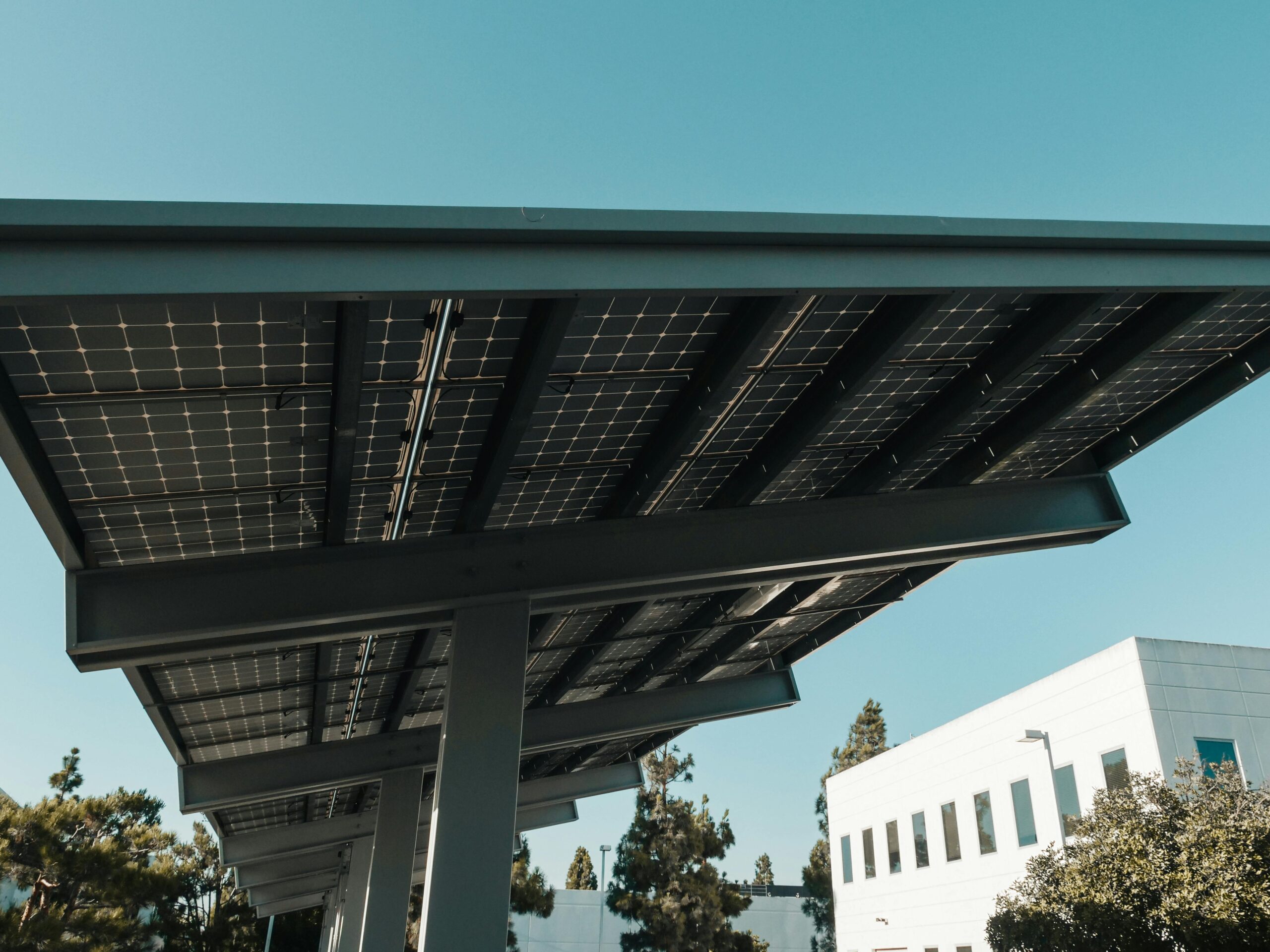
The integration of renewable energy sources within microgrids creates opportunities for unprecedented efficiency gains. Solar panels on rooftops, parking structures, and building facades can generate power during daylight hours, while battery storage systems capture excess generation for use during evening peak demand periods. This temporal shifting of renewable energy addresses one of the primary challenges of solar and wind power: intermittency.
Peak Demand Management and Load Balancing
Urban microgrids excel at managing peak demand periods when electricity consumption spikes and utilities face maximum stress. Traditional grids often rely on expensive and polluting “peaker plants” that only operate during these high-demand windows. Microgrids eliminate or reduce this need through sophisticated load balancing strategies that distribute demand more evenly throughout the day.
Smart building integration allows microgrids to implement demand response programs automatically. Air conditioning systems might pre-cool buildings before peak hours, electric vehicle charging can be scheduled for overnight periods, and non-critical loads can be temporarily reduced during grid stress events. These coordinated actions occur seamlessly, maintaining comfort and productivity while significantly improving overall system efficiency.
⚡ Resilience: The Critical Advantage in an Uncertain Climate
Climate change is increasing the frequency and severity of extreme weather events that threaten power infrastructure. Hurricanes, wildfires, ice storms, and flooding are causing more frequent and longer-lasting power outages. Traditional centralized grids create single points of failure where damage to transmission lines or substations can black out entire regions. Urban microgrids fundamentally change this vulnerability equation.
The ability to island from the main grid during emergencies represents microgrids’ most compelling resilience feature. When storms knock out regional power, properly designed microgrids can seamlessly disconnect and continue serving critical loads using local generation and storage. Hospitals, emergency response centers, water treatment facilities, and communication infrastructure can maintain operations indefinitely, provided renewable generation and fuel supplies are adequate.
This resilience extends beyond emergency scenarios. Power quality issues like voltage fluctuations, frequency variations, and harmonic distortions that can damage sensitive equipment are minimized within microgrids through local control and conditioning. For industries relying on precision manufacturing, data centers processing critical information, or medical facilities using sensitive equipment, this power quality enhancement prevents costly disruptions and equipment damage.
Case Studies: Real-World Resilience in Action
The Brooklyn Navy Yard in New York operates a microgrid serving industrial tenants, offices, and film production facilities. During Superstorm Sandy, which devastated much of the region’s power infrastructure, the microgrid maintained operations, demonstrating how localized energy systems can withstand disasters that cripple centralized grids. This resilience has since attracted businesses prioritizing continuity and sustainability.
In Puerto Rico, where Hurricane Maria destroyed much of the island’s centralized power infrastructure in 2017, communities are now deploying microgrids as a fundamental reconstruction strategy. These systems provide not just backup power but primary electricity service, reducing dependence on vulnerable long-distance transmission lines crossing mountainous terrain.
Economic Benefits: The Financial Case for Urban Microgrids
While the upfront investment in microgrid infrastructure can be substantial, the long-term economic benefits are increasingly compelling. Reduced energy costs through efficiency gains and peak demand management create ongoing savings that accumulate over the system’s lifecycle. Additionally, microgrids can generate revenue by participating in energy markets, selling excess power back to the grid during high-price periods, or providing grid services like frequency regulation and voltage support.
The avoided costs of power outages represent a significant but often underappreciated economic benefit. For commercial and industrial facilities, even brief outages can result in lost productivity, spoiled inventory, damaged equipment, and missed revenue opportunities. The Department of Energy estimates that power outages cost the U.S. economy between $28 and $169 billion annually. Microgrids that prevent or mitigate these outages deliver substantial economic value.
Property values in microgrid-served areas often see appreciation as buyers and tenants recognize the value of reliable, clean, and potentially cheaper electricity. Developers are increasingly incorporating microgrids as amenities that differentiate their projects in competitive real estate markets, particularly in regions prone to power disruptions or where sustainability credentials attract premium tenants.
🔋 Technology Drivers: Innovation Accelerating Adoption
Several converging technological advances are making urban microgrids increasingly practical and economically viable. Battery storage costs have declined by approximately 90% over the past decade, transforming energy storage from a prohibitively expensive luxury to an economically competitive necessity. Lithium-ion batteries, flow batteries, and emerging solid-state technologies provide options for different duration and capacity requirements.
Solar photovoltaic costs have similarly plummeted, with utility-scale and distributed solar now representing the cheapest form of new electricity generation in most markets. This economic transformation enables microgrids to generate significant portions of their power from clean, renewable sources without economic penalty compared to fossil fuel alternatives.
Advanced control systems utilizing Internet of Things sensors, edge computing, and cloud-based analytics provide the intelligence that makes microgrids responsive and autonomous. These systems process vast streams of data from smart meters, weather forecasts, energy prices, and equipment status to make millisecond decisions optimizing performance, reliability, and costs.
Blockchain and Peer-to-Peer Energy Trading
Emerging blockchain technologies are enabling new microgrid business models where energy becomes a tradable commodity within local communities. Residents with excess solar generation can automatically sell power to neighbors, with transactions recorded transparently on distributed ledgers. This peer-to-peer energy trading creates more resilient local energy economies while maximizing utilization of distributed generation assets.
Smart contracts executed on blockchain platforms can automate complex energy transactions, demand response programs, and settlement processes without intermediaries. This disintermediation reduces transaction costs and enables new market participants, potentially democratizing energy systems that have historically been dominated by large utilities and generators.
Regulatory Landscape: Navigating Policy and Incentives
The regulatory environment significantly impacts microgrid development, with policies varying dramatically across jurisdictions. Progressive regions have established frameworks recognizing microgrids as valuable grid assets, creating incentive programs and streamlined permitting processes. Other areas maintain regulations designed for traditional utility models that inadvertently create barriers to microgrid deployment.
Net metering policies allowing microgrid owners to receive credit for excess power exported to the main grid are critical enablers of project economics. Similarly, interconnection standards that establish clear, fair processes for connecting microgrids to utility infrastructure reduce development uncertainty and costs. States like California, New York, and Massachusetts have implemented comprehensive microgrid support programs including grants, favorable regulations, and technical assistance.
Federal incentives including the Investment Tax Credit for solar installations and various grant programs for resilience and clean energy projects provide crucial financial support for microgrid development. The Infrastructure Investment and Jobs Act and Inflation Reduction Act have allocated billions toward grid modernization and clean energy, with significant portions available for microgrid projects.
🌱 Environmental Impact: The Sustainability Imperative
Urban microgrids represent powerful tools for achieving municipal climate goals and reducing carbon emissions. By facilitating high penetrations of renewable energy, microgrids accelerate the transition away from fossil fuel generation. The localized nature of microgrids also enables waste heat recovery from combined heat and power systems, capturing thermal energy that would otherwise be lost in centralized generation facilities located far from heat loads.
Transportation electrification, essential for reducing urban emissions, depends on robust charging infrastructure that microgrids can provide efficiently. Electric vehicle charging creates concentrated loads that can stress distribution systems, but when integrated into microgrids with renewable generation and storage, vehicles become mobile energy resources that can support grid stability while charging with clean power.
The environmental benefits extend beyond direct emissions reductions. By improving power quality and reliability, microgrids extend equipment lifespans, reducing the environmental impacts associated with manufacturing replacements. The enhanced resilience they provide also reduces the need for backup diesel generators that produce significant local air pollution during outages.
Implementation Challenges: Overcoming Barriers to Adoption
Despite their compelling benefits, urban microgrids face several implementation challenges. High upfront capital costs remain a barrier, particularly for smaller projects lacking economies of scale. Complex financing structures combining grants, tax equity, power purchase agreements, and traditional debt require sophisticated development expertise not universally available.
Technical integration with existing building systems and utility infrastructure presents engineering challenges requiring specialized knowledge. Cybersecurity concerns around networked energy systems demand robust protections against potential attacks that could compromise power supply or control systems. As microgrids become more digitally connected, they present expanded attack surfaces that must be systematically secured.
Community engagement and stakeholder alignment are often underestimated challenges. Successful microgrid projects require coordination among multiple parties including property owners, utilities, regulators, financiers, and end-users. Aligning these diverse interests, addressing concerns, and maintaining momentum throughout lengthy development processes tests project champions’ perseverance and political skills.
🚀 The Future Landscape: Trends Shaping Tomorrow’s Urban Energy
The trajectory of urban microgrid development points toward increasingly interconnected networks of microgrids forming resilient “macrogrids” that combine local autonomy with coordinated regional operation. This architecture provides resilience at multiple scales, with individual microgrids protecting their served areas while networked cooperation enhances overall grid stability and efficiency.
Artificial intelligence will play an expanding role in microgrid management, with systems becoming increasingly autonomous in optimizing performance across multiple objectives simultaneously. Machine learning algorithms will continuously improve forecasting accuracy, equipment maintenance predictions, and operational strategies based on accumulating operational data.
Virtual power plants aggregating numerous distributed energy resources including microgrids, building batteries, electric vehicles, and controllable loads will participate in wholesale energy markets at scales rivaling traditional power plants. This aggregation creates market access for smaller assets while providing grid operators with flexible, responsive resources for balancing supply and demand.
Transforming Urban Energy Futures Today
Urban microgrids represent far more than incremental improvements to existing energy infrastructure. They fundamentally reimagine how cities produce, distribute, and consume power, creating systems that are simultaneously more efficient, resilient, sustainable, and economically advantageous. As climate challenges intensify, energy demands grow, and technology costs decline, microgrids are transitioning from innovative demonstrations to mainstream infrastructure investments.
The cities embracing this transformation today are positioning themselves as leaders in the inevitable energy transition, attracting investment, talent, and recognition for forward-thinking infrastructure planning. For urban planners, policymakers, developers, and citizens concerned about energy security, environmental sustainability, and economic vitality, microgrids offer tangible pathways toward more resilient and prosperous urban futures. The revolution in urban energy is not approaching—it is already underway, powering cities smarter, one microgrid at a time.