
The construction industry stands at a pivotal crossroads where innovation meets environmental responsibility. As climate change accelerates and carbon emissions reach critical levels, the architectural world is responding with revolutionary approaches that don’t just minimize harm—they actively heal our planet. 🌍

Carbon-negative architecture represents more than just sustainable building practices; it embodies a fundamental shift in how we conceptualize our relationship with the built environment. This transformative approach captures more carbon dioxide than it produces throughout a building’s entire lifecycle, creating structures that contribute positively to environmental restoration while providing comfortable, healthy spaces for human habitation.
Understanding the Carbon-Negative Revolution in Architecture
Carbon-negative architecture goes beyond the increasingly common carbon-neutral standards by actively removing greenhouse gases from the atmosphere. While carbon-neutral buildings balance their emissions through offsets or renewable energy, carbon-negative structures achieve net-positive environmental impact through innovative material selection, construction techniques, and operational systems.
The concept encompasses every phase of a building’s existence—from material extraction and manufacturing through construction, occupancy, and eventual deconstruction. This holistic lifecycle perspective ensures that carbon sequestration occurs at multiple stages, creating cumulative environmental benefits that extend decades into the future.
The Science Behind Carbon Sequestration in Buildings
Carbon sequestration in architecture occurs primarily through the strategic use of bio-based materials that absorb and store atmospheric carbon dioxide during their growth phase. Wood, bamboo, hemp, straw, and other plant-based materials act as carbon sinks, locking away CO2 that would otherwise contribute to atmospheric warming.
A single cubic meter of timber can sequester approximately one tonne of carbon dioxide. When this wood is harvested sustainably and incorporated into building structures, that carbon remains captured for the building’s entire lifespan—potentially centuries. Combined with reduced emissions from avoiding carbon-intensive materials like concrete and steel, the environmental benefits multiply significantly.
Pioneering Materials Transforming Construction
The foundation of carbon-negative architecture rests on revolutionary materials that challenge conventional construction wisdom. These innovative substances combine exceptional performance characteristics with impressive environmental credentials, proving that sustainability and structural integrity are not mutually exclusive.
Mass Timber: Engineering Wood for Modern Demands
Cross-laminated timber (CLT) and glue-laminated timber (glulam) represent engineering breakthroughs that enable wooden structures to compete with concrete and steel in strength and fire resistance. These mass timber products allow for taller, more complex wooden buildings while maintaining their carbon-sequestering properties.
Notable examples include the Mjøstårnet tower in Norway, standing 85.4 meters tall as the world’s tallest timber building, and the Brock Commons Tallwood House in Vancouver, an 18-story student residence. These structures demonstrate that mass timber can meet modern architectural ambitions while drastically reducing construction’s carbon footprint.
Hempcrete and Bio-Based Composites
Hempcrete combines hemp hurds (the woody core of the hemp plant) with lime-based binders to create a lightweight, insulating building material. Throughout its lifecycle, hempcrete absorbs more CO2 than is emitted during its production, achieving true carbon negativity. The material also provides excellent thermal and acoustic insulation while naturally regulating humidity.
Other bio-based composites include mycelium-based materials that grow into desired shapes using fungal networks, straw bale construction that repurposes agricultural waste, and bamboo composites that leverage one of nature’s fastest-growing plants. Each offers unique benefits while contributing to overall carbon sequestration.
Innovative Concrete Alternatives
Recognizing that concrete production accounts for approximately 8% of global CO2 emissions, researchers have developed carbon-capturing alternatives. These include concrete formulations that use carbon dioxide in the curing process, trapping it permanently within the material structure, and geopolymer concretes that replace Portland cement with industrial byproducts like fly ash.
Design Principles for Carbon-Negative Buildings
Creating carbon-negative architecture requires integrated design thinking that considers every aspect of building performance. These principles guide architects toward solutions that maximize environmental benefits without compromising functionality or aesthetics. ♻️
Passive Design Strategies
Passive design minimizes energy consumption through intelligent building orientation, natural ventilation, daylighting, and thermal mass integration. By reducing operational energy demands, buildings decrease their carbon footprint while improving occupant comfort and health.
Strategic window placement captures winter sun for passive heating while overhangs and vegetation provide summer shading. Cross-ventilation eliminates or reduces mechanical cooling needs, and thermal mass materials absorb excess heat during the day, releasing it gradually at night to moderate temperature fluctuations.
Biophilic Design Integration
Biophilic design connects building occupants with nature through living walls, green roofs, indoor gardens, and natural materials. Beyond psychological benefits, these elements actively sequester carbon, improve air quality, reduce urban heat island effects, and support biodiversity.
Green roofs provide insulation, manage stormwater, extend roof lifespan, and create habitat for pollinators and birds. Living walls filter air pollutants while absorbing carbon dioxide and producing oxygen. These integrated natural systems transform buildings from isolated structures into components of larger ecological networks.
Modular and Adaptive Design
Designing for disassembly and adaptation extends building lifespans and reduces waste. Modular construction allows components to be relocated, reconfigured, or replaced without demolishing entire structures. This flexibility prevents premature obsolescence and the associated carbon emissions from new construction.
Revolutionary Projects Leading the Way
Across the globe, visionary architects and developers are demonstrating carbon-negative architecture’s feasibility through groundbreaking projects that push technical boundaries while inspiring broader industry transformation.
The Powerhouse Brattørkaia, Norway
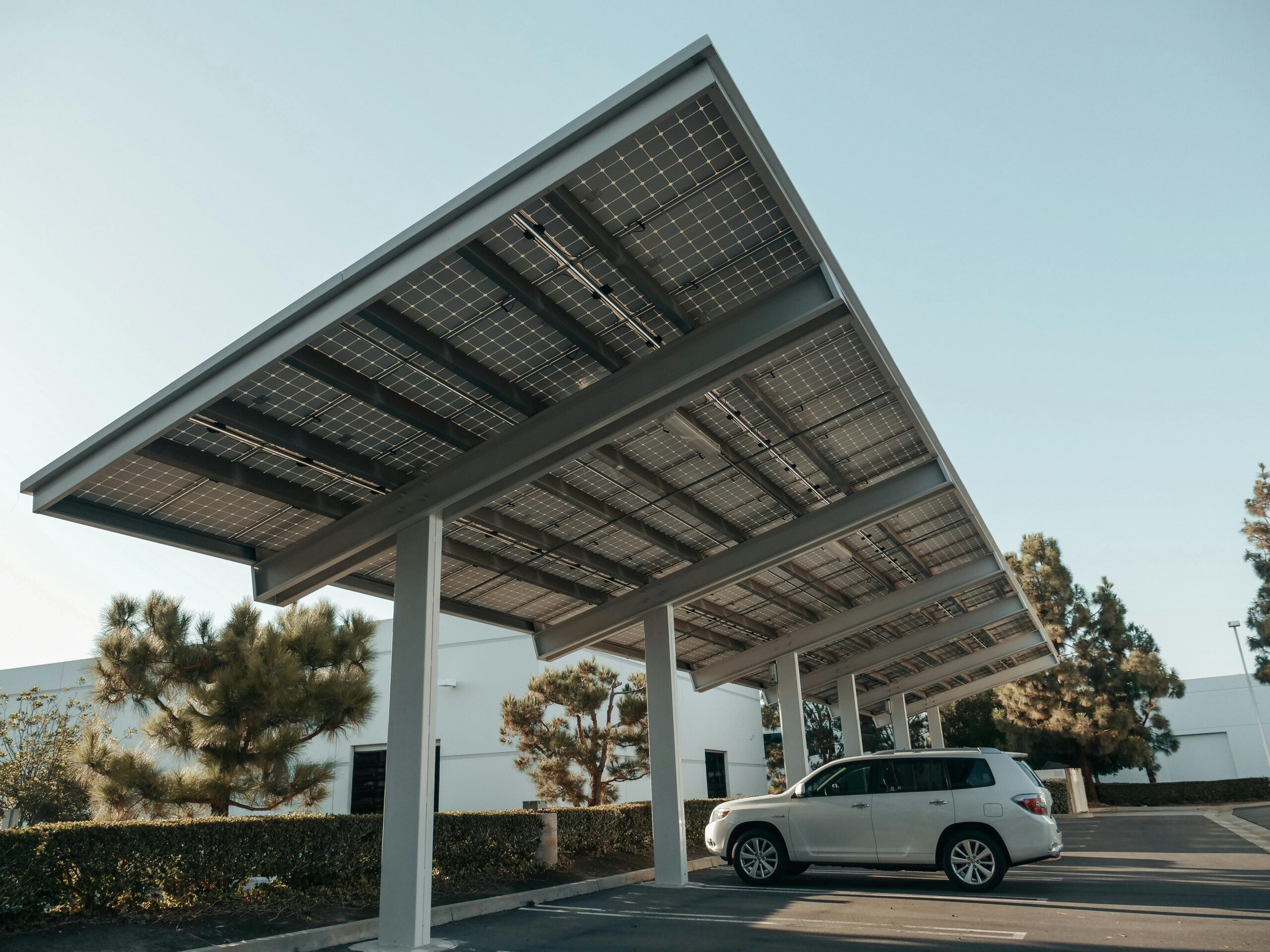
This office building in Trondheim produces more than twice the energy it consumes over its expected lifespan, including energy used for materials production and construction. Solar panels cover the roof and facade, while seawater provides heating and cooling through an energy-efficient heat pump system. The building’s energy surplus powers neighboring structures, electric boats, cars, and buses.
Bullitt Center, Seattle
Designed as the greenest commercial building in the world, the Bullitt Center achieves net-zero energy and water while using predominantly FSC-certified wood from sustainable forests. The six-story structure features composting toilets, rainwater harvesting, geothermal heating, and a rooftop solar array that generates all required electricity.
FUSE, Colorado
This residential development combines passive house standards with mass timber construction to create carbon-negative homes. Each unit sequesters approximately 30 tonnes of carbon dioxide while requiring 90% less energy for heating and cooling compared to conventional construction. The project demonstrates carbon-negative principles at community scale.
Technology Enabling Carbon-Negative Construction
Digital tools and advanced manufacturing techniques are accelerating the adoption of carbon-negative architecture by improving efficiency, precision, and accessibility throughout the design and construction process. 🔧
Building Information Modeling (BIM) for Carbon Analysis
BIM software enables architects to calculate embodied carbon at the design stage, comparing material alternatives and design configurations to optimize environmental performance. Real-time carbon analysis allows teams to make informed decisions that balance aesthetic, structural, and environmental priorities.
Specialized plugins calculate whole-life carbon footprints, tracking emissions from material extraction through manufacturing, construction, operation, and eventual deconstruction. This comprehensive analysis identifies opportunities for carbon reduction and sequestration that might otherwise go unnoticed.
Prefabrication and Precision Manufacturing
Factory-controlled fabrication of building components reduces waste, improves quality, and accelerates construction timelines. Precision manufacturing minimizes material offcuts, ensures consistent quality control, and allows for complex geometries that optimize structural efficiency.
Prefabricated mass timber panels arrive on site ready for rapid assembly, reducing construction duration and site disturbance. This efficiency translates to reduced transportation emissions, less equipment operation, and faster occupancy.
Material Transparency and Tracking
Digital material databases provide Environmental Product Declarations (EPDs) that detail the carbon footprint of specific products. Blockchain technology enables supply chain transparency, verifying sustainable sourcing claims and ensuring accountability throughout material production.
Overcoming Barriers to Widespread Adoption
Despite proven benefits, carbon-negative architecture faces obstacles that slow mainstream adoption. Understanding and addressing these challenges is essential for accelerating the transition to regenerative construction practices.
Cost Considerations and Economic Viability
Initial construction costs for carbon-negative buildings can exceed conventional alternatives, though this gap narrows as technologies mature and markets scale. However, lifecycle analysis reveals significant long-term savings through reduced energy consumption, lower maintenance requirements, and extended building lifespans.
Innovative financing mechanisms, including green bonds, carbon credit programs, and sustainability-linked loans, help offset upfront premiums. As carbon pricing becomes more prevalent globally, the economic case for carbon-negative construction strengthens considerably.
Building Codes and Regulatory Frameworks
Many existing building codes were written for conventional construction methods and materials, creating regulatory hurdles for innovative approaches. Progressive jurisdictions are updating codes to accommodate mass timber construction, alternative materials, and performance-based standards that reward carbon reduction.
Industry organizations work collaboratively with regulatory bodies to develop standards that ensure safety while enabling innovation. As successful carbon-negative projects demonstrate compliance with performance requirements, regulatory acceptance accelerates.
Industry Knowledge and Skills Gaps
Transitioning to carbon-negative construction requires new knowledge and skills across design, engineering, and construction trades. Educational institutions are incorporating sustainable design principles into curricula, while professional development programs help practicing professionals update their expertise.
Collaborative project delivery methods, including integrated project delivery and design-build partnerships, facilitate knowledge sharing among specialists and help teams navigate unfamiliar technologies and methodologies.
The Role of Policy and Incentives
Government policies, incentives, and procurement practices significantly influence the pace of carbon-negative architecture adoption. Forward-thinking jurisdictions are implementing frameworks that accelerate transformation across the building sector. 📋
Carbon Pricing and Embodied Carbon Regulations
Carbon taxes and cap-and-trade systems create economic incentives for reducing emissions throughout construction and operation. Several jurisdictions now require embodied carbon reporting for major construction projects, with mandatory reduction targets phasing in over coming years.
The European Union’s Level(s) framework and California’s Buy Clean Act exemplify regulatory approaches that drive market transformation by establishing clear standards and creating competitive advantages for low-carbon products and practices.
Sustainable Building Incentives
Tax credits, accelerated depreciation, density bonuses, and expedited permitting reward developers who exceed minimum sustainability standards. These incentives help offset cost premiums while signaling policy priorities that guide long-term investment decisions.
Public procurement policies that prioritize carbon-negative construction for government buildings create significant market demand, supporting supply chain development and demonstrating leadership that influences private sector practices.
Community Benefits Beyond Carbon Reduction
Carbon-negative architecture delivers extensive benefits beyond climate mitigation, improving human health, economic resilience, and social equity. These co-benefits strengthen the case for widespread adoption while addressing multiple sustainability challenges simultaneously. 🏘️
Improved Indoor Environmental Quality
Natural materials typically used in carbon-negative construction offer superior indoor air quality compared to synthetic alternatives. Wood and other bio-based materials regulate humidity naturally, reduce off-gassing of volatile organic compounds, and create psychologically comforting environments that lower stress and improve productivity.
Studies demonstrate that occupants of sustainably designed buildings experience better health outcomes, reduced absenteeism, and enhanced cognitive performance. These benefits translate to measurable economic value for building owners and employers.
Economic Development and Job Creation
The transition to carbon-negative construction creates employment opportunities across supply chains, from sustainable forestry and material manufacturing through specialized design services and construction trades. These jobs often provide higher wages than conventional construction while supporting rural economies through sustainable resource management.
Developing local material sources and manufacturing capacity builds economic resilience, reduces transportation emissions, and keeps economic benefits within communities rather than extracting them to distant industrial centers.
Climate Adaptation and Resilience
Carbon-negative buildings often incorporate design features that enhance resilience to climate change impacts, including extreme weather events, temperature fluctuations, and water scarcity. Green infrastructure manages stormwater, reduces flooding, and moderates urban heat islands while sequestering carbon.
The Path Forward: Scaling Carbon-Negative Architecture
Achieving widespread adoption of carbon-negative architecture requires coordinated action across multiple sectors, combining technological innovation, policy support, market transformation, and cultural change. The building industry must embrace this challenge as both moral imperative and economic opportunity.
Industry Collaboration and Knowledge Sharing
Open-source databases documenting successful projects, material performance data, and design strategies accelerate learning across the industry. Professional organizations, research institutions, and pioneering firms share knowledge freely, recognizing that collective progress benefits everyone.
Cross-sector partnerships between architects, engineers, material scientists, manufacturers, and contractors foster innovation and solve complex challenges that no single discipline can address independently.
Education and Public Awareness
Increasing public understanding of carbon-negative architecture creates market demand that drives industry transformation. Building tours, case studies, media coverage, and educational programs demonstrate feasibility while inspiring broader adoption.
Professional education ensures the next generation of architects, engineers, and builders possesses the knowledge and skills necessary to design and construct carbon-negative buildings as standard practice rather than exceptional achievement.
Continuous Innovation and Improvement
Research into new materials, construction techniques, and design strategies continues advancing the field. Emerging technologies including carbon-capturing concrete, enhanced weathering materials, and artificial photosynthesis offer potential for even greater carbon sequestration.
Performance monitoring of existing carbon-negative buildings generates data that validates theoretical models, identifies optimization opportunities, and builds confidence in these approaches across the industry.
Building Hope Through Architecture ✨
Carbon-negative architecture represents far more than technical innovation—it embodies a fundamental reimagining of humanity’s relationship with the built and natural environments. By creating structures that actively heal rather than harm our planet, we demonstrate that human prosperity and ecological regeneration are not opposing forces but complementary objectives.
The transition from extractive to regenerative construction practices offers genuine hope in addressing the climate crisis. Each carbon-negative building serves as proof that we possess the knowledge, tools, and creativity necessary to reverse environmental degradation while meeting growing needs for shelter, workspace, and community gathering places.
As these pioneering projects multiply and innovative approaches become mainstream practice, carbon-negative architecture will transform from cutting-edge exception to industry standard. This transformation represents one of the most significant contributions the building sector can make toward securing a livable planet for future generations.
The journey toward a greener future through carbon-negative architecture has begun, powered by visionary designers, committed developers, supportive policymakers, and informed consumers who recognize that our buildings can become allies in restoring planetary health. Together, we are constructing not just structures, but hope—one carbon-negative building at a time.