Urban green roofs are revolutionizing the way we think about city architecture, transforming concrete jungles into living, breathing ecosystems that benefit both people and planet.

As cities continue to expand and climate challenges intensify, the integration of vegetation on rooftops has emerged as one of the most innovative solutions for sustainable urban development. These elevated gardens do more than just add aesthetic appeal—they tackle pollution, reduce energy consumption, manage stormwater, enhance biodiversity, and create valuable green spaces in densely populated areas. The movement toward green roofs represents a fundamental shift in urban planning philosophy, recognizing that nature and infrastructure don’t have to compete but can instead work together harmoniously. From Toronto to Tokyo, Singapore to Copenhagen, cities worldwide are embracing this vertical greening revolution, proving that sustainability can reach new heights—literally.
🌿 What Makes Green Roofs a Game-Changer for Modern Cities
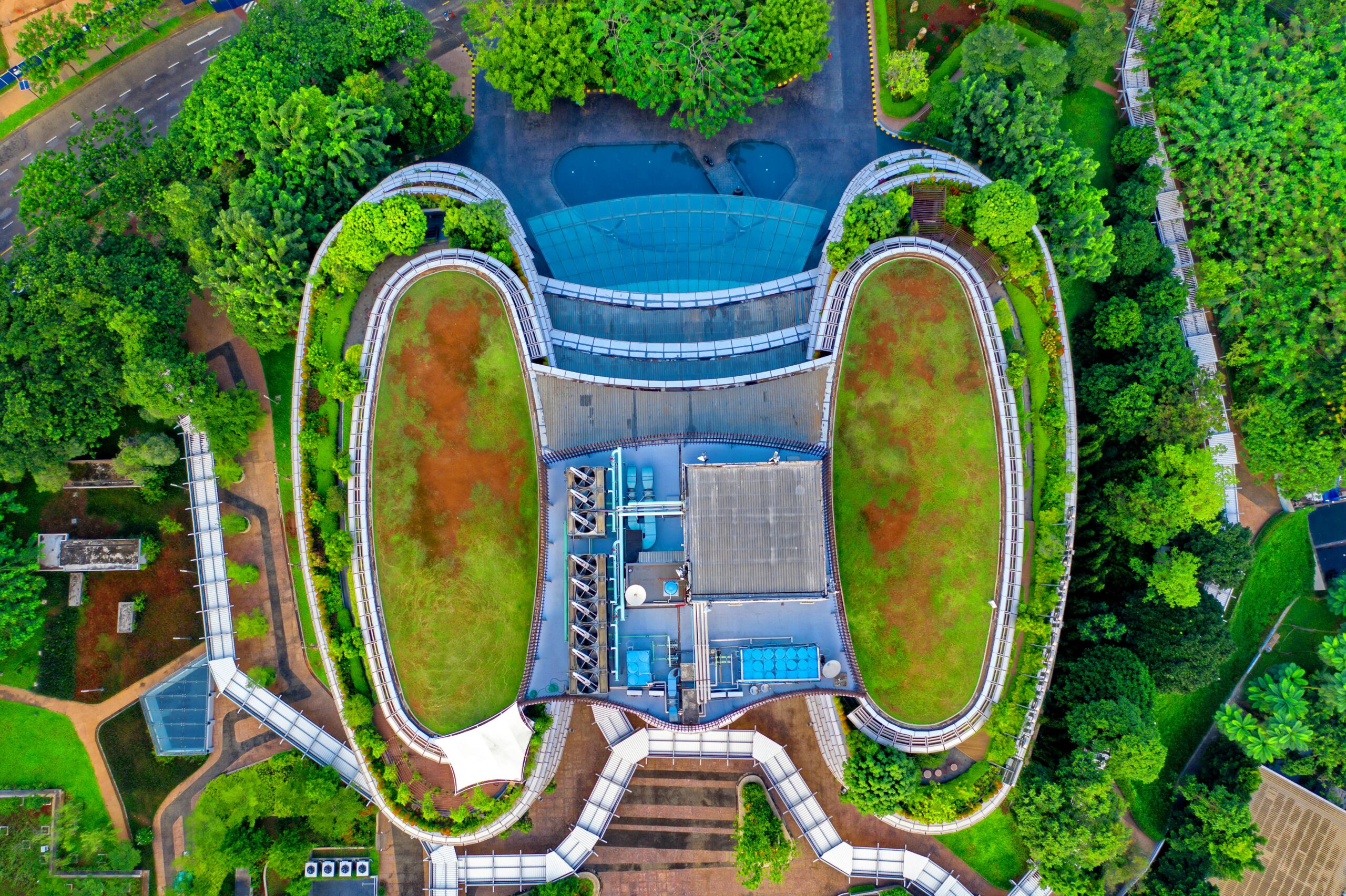
Green roofs, also known as living roofs or vegetated roofs, consist of a waterproofing membrane, growing medium, and vegetation installed on top of conventional roofing systems. These installations range from simple extensive systems with shallow soil and hardy plants to elaborate intensive gardens featuring trees, walkways, and recreational spaces. The technology behind green roofs has advanced significantly, making them more accessible, affordable, and effective than ever before.
The transformation these installations bring to urban environments is multifaceted. They convert previously unused spaces into functional areas that provide environmental services, social benefits, and economic value. In cities where ground-level space is limited and expensive, rooftops represent the last frontier for urban greening—millions of square meters of potential green space waiting to be activated.
Types of Green Roof Systems
Understanding the different types of green roofs helps cities and building owners choose the right solution for their specific needs and constraints. Extensive green roofs feature lightweight systems with shallow growing media (typically 2-6 inches deep) and require minimal maintenance. They support drought-resistant plants like sedums, grasses, and mosses, making them ideal for large-scale applications on commercial and industrial buildings.
Intensive green roofs, by contrast, resemble traditional gardens with deeper soil profiles (6 inches to several feet) that can support diverse plant communities including shrubs, perennials, and even small trees. These systems create accessible park-like spaces but require more structural support, irrigation, and maintenance. Semi-intensive systems occupy the middle ground, offering more plant diversity than extensive roofs while remaining more manageable than fully intensive installations.
🌍 Environmental Benefits That Extend Beyond the Rooftop
The environmental advantages of green roofs ripple outward, affecting entire neighborhoods and contributing to broader climate resilience. One of the most significant benefits is their ability to mitigate the urban heat island effect—the phenomenon where cities become significantly warmer than surrounding rural areas due to heat-absorbing surfaces like asphalt and concrete. Green roofs can reduce surface temperatures by 30-40°F compared to conventional roofs, cooling not just the building beneath but also the surrounding air.
Stormwater management represents another critical environmental service. Traditional roofs shed rainwater immediately, overwhelming drainage systems and contributing to flooding and water pollution. Green roofs absorb 40-90% of rainfall depending on their design, releasing water slowly through evapotranspiration or controlled drainage. This natural retention reduces strain on municipal infrastructure and filters pollutants before they reach waterways.
Air Quality Improvements and Carbon Sequestration
The vegetation on green roofs actively filters airborne particulates and pollutants, removing harmful substances like nitrogen dioxide, sulfur dioxide, and particulate matter from the urban atmosphere. A single square meter of green roof can remove approximately 0.2 kg of airborne particles annually while capturing carbon dioxide and releasing oxygen through photosynthesis.
While individual green roofs sequester modest amounts of carbon, the cumulative effect across an entire city becomes substantial. Studies indicate that widespread green roof adoption could offset a meaningful percentage of urban carbon emissions, contributing to climate mitigation goals while simultaneously helping cities adapt to climate impacts already underway.
💡 Economic Advantages for Building Owners and Cities
Beyond environmental benefits, green roofs deliver tangible economic returns that make them increasingly attractive to property owners and municipal governments. Energy savings represent one of the most immediate financial benefits. The insulating properties of green roofs reduce heating costs in winter and cooling costs in summer, with studies showing energy savings of 15-30% for buildings in various climates.
The protective layer of vegetation and growing medium shields the waterproofing membrane from UV radiation, temperature fluctuations, and physical damage, potentially doubling or tripling the lifespan of the roof structure. This extended durability reduces replacement costs and the environmental impact associated with roofing material disposal and manufacturing.
Increased Property Values and Marketability
Properties featuring green roofs command premium prices and attract tenants willing to pay higher rents for access to green amenities and lower utility costs. The aesthetic appeal and environmental credentials of green roofs enhance corporate image and help businesses meet sustainability commitments, making them particularly attractive for commercial properties.
Cities implementing green roof policies often see broader economic benefits including job creation in design, installation, and maintenance sectors. The growing green infrastructure industry supports skilled employment while fostering innovation in sustainable building technologies.
🏙️ Social and Health Benefits for Urban Communities
The human benefits of green roofs extend well beyond environmental and economic considerations, touching fundamental aspects of health, wellbeing, and community cohesion. Access to green space has been linked to reduced stress, improved mental health, enhanced cognitive function, and better physical health outcomes. In dense urban areas where parks and gardens are scarce, rooftop green spaces provide vital connections to nature.
Intensive green roofs designed as accessible gardens create valuable community gathering spaces, urban agriculture opportunities, and outdoor recreational areas. These elevated oases offer respite from the concrete below, providing places for social interaction, exercise, contemplation, and education about ecology and sustainability.
Biodiversity Havens in the Sky
Green roofs create crucial habitats for pollinators, birds, and beneficial insects in urban environments where natural habitats have been largely eliminated. Native plant selections can support local ecosystem functions, providing food sources and nesting sites for species struggling to survive in built environments. These biodiversity benefits contribute to more resilient urban ecosystems capable of delivering ecological services like pest control and pollination.
Educational opportunities abound when green roofs are incorporated into schools, universities, and public buildings. These living laboratories allow students and community members to observe ecological processes, learn about sustainable design, and develop deeper connections to the natural world—all without leaving the city.
🔧 Overcoming Implementation Challenges
Despite their numerous advantages, green roofs face implementation barriers that have slowed adoption in many cities. Initial costs remain higher than conventional roofing, with extensive systems typically adding $10-25 per square foot and intensive systems considerably more. However, lifecycle cost analyses increasingly show favorable returns when energy savings, roof longevity, and stormwater management benefits are factored into calculations.
Structural considerations present another challenge, as existing buildings may require reinforcement to support the additional weight of green roof systems, particularly intensive installations. Building codes and regulatory frameworks haven’t always kept pace with green roof technology, creating uncertainty for designers and developers.
Policy Solutions Driving Adoption
Progressive cities have developed policy mechanisms to overcome these barriers and accelerate green roof implementation. Incentive programs including grants, tax credits, and density bonuses help offset initial costs and make green roofs financially attractive. Some jurisdictions have implemented mandates requiring green roofs on new construction or major renovations above certain size thresholds.
Streamlined permitting processes, technical guidance documents, and demonstration projects help build capacity among design professionals and increase stakeholder confidence. Public investment in green roofs on municipal buildings provides visible examples while supporting market development for green infrastructure industries.
🌱 Best Practices for Successful Green Roof Projects
Successful green roof implementation requires careful planning, appropriate design, and ongoing stewardship. Structural assessment should be the first step, determining load-bearing capacity and identifying any necessary reinforcements. Working with experienced professionals specializing in green roof design ensures systems are properly engineered for the specific building, climate, and intended use.
Plant selection is critical for long-term success and should consider local climate conditions, maintenance capabilities, and desired ecological functions. Native species generally require less maintenance and provide better habitat value, though cultivars selected for specific performance characteristics may be appropriate in certain contexts. Drought-tolerant species are particularly important for extensive systems with minimal irrigation.
Maintenance Requirements for Long-Term Success
While extensive green roofs are often marketed as low-maintenance, all living systems require some level of care to remain healthy and functional. Regular inspections, weed management, fertilization, and occasional replanting ensure green roofs continue providing benefits over their lifespan. Intensive systems require maintenance comparable to ground-level gardens, including pruning, seasonal planting, and more frequent watering.
Establishing clear maintenance responsibilities and securing adequate resources before installation prevents neglect that can compromise system performance. Some municipalities and property owners have found success with cooperative maintenance arrangements involving community volunteers or educational institutions.
🚀 Innovative Applications Pushing Boundaries
The green roof concept continues evolving with innovative applications that expand possibilities for urban greening. Solar-green roofs combine photovoltaic panels with vegetation, leveraging the cooling effect of plants to improve solar panel efficiency while maximizing rooftop functionality. Research indicates this synergy can increase energy production by 3-5% compared to conventional solar installations.
Urban agriculture on green roofs transforms food production, bringing growing space into cities and reducing transportation emissions associated with food distribution. Commercial rooftop farms are demonstrating economic viability while providing fresh produce to restaurants, markets, and community members. These productive landscapes contribute to food security while offering all the environmental benefits of ornamental green roofs.
Integration with Smart Building Technologies
Advanced monitoring systems using sensors and data analytics optimize green roof performance by tracking soil moisture, temperature, plant health, and structural loads. These smart green roofs can adjust irrigation automatically, alert managers to maintenance needs, and provide data for research and continuous improvement. Integration with building management systems allows green roofs to work synergistically with HVAC and other building systems for maximum efficiency.
Biodiverse green roofs designed specifically for conservation go beyond standard installations by incorporating specialized features like nesting boxes, diverse topography, and carefully selected plant communities that support particular species. These targeted habitat roofs contribute meaningfully to urban biodiversity conservation strategies.
🌏 Global Leaders Showing the Way Forward
Several cities worldwide have emerged as green roof leaders, providing models for others to follow. Copenhagen aims to become carbon neutral by 2025 and has made green roofs a cornerstone of its climate adaptation strategy, with policies requiring vegetation on all new roofs with slopes less than 30 degrees. The results are visible throughout the city, with green roofs covering everything from bus stops to major commercial developments.
Toronto implemented North America’s first municipal green roof bylaw in 2009, requiring buildings over 2,000 square meters to incorporate green roofs covering 20-60% of available roof space. This bold policy has resulted in millions of square feet of new green roof installation, positioning Toronto as a continental leader in green infrastructure.
Singapore’s commitment to becoming a “city in a garden” includes extensive green roof and vertical greening requirements. The city-state offers one of the world’s most generous incentive programs, covering up to 50% of installation costs, resulting in dramatic transformations of the urban skyline with vegetation at every level.
🎯 Taking Action: How to Bring Green Roofs to Your City
For individuals, organizations, and municipalities interested in advancing green roof adoption, multiple entry points exist. Building owners can start by conducting feasibility assessments of existing structures, exploring available incentives, and connecting with qualified designers and installers. Even small pilot projects can demonstrate viability and build momentum for larger initiatives.
Community advocates can push for supportive policies by engaging with local government, building coalitions with environmental and business groups, and highlighting successful examples from other jurisdictions. Demonstrating multiple benefit streams—environmental, economic, and social—helps build broad support across diverse stakeholder groups.
Municipalities can begin with green roofs on public buildings, creating visible demonstrations while developing internal expertise. Policy development should involve stakeholder engagement to design programs that balance environmental goals with practical implementation considerations. Technical assistance programs help build capacity among local design and construction professionals.
🌟 A Verdant Vision for Tomorrow’s Cities
The transformation of urban rooftops from wasted space to productive green infrastructure represents more than just an incremental improvement—it’s a reimagining of how cities can function as integrated ecosystems rather than working against natural processes. Green roofs demonstrate that sustainability and urban development need not be opposing forces but can instead reinforce each other, creating cities that are simultaneously more livable, resilient, and ecologically functional.
As climate pressures intensify and urbanization continues, the importance of nature-based solutions like green roofs will only grow. The technology, knowledge, and policy frameworks exist to make widespread implementation achievable. What remains is the collective will to prioritize long-term sustainability over short-term convenience, to invest in infrastructure that serves multiple purposes, and to recognize that every rooftop represents an opportunity to bring nature back into our cities.
The green roof movement is bringing nature to new heights, proving that even in the most densely built environments, there’s room for life to flourish. By transforming the overlooked surfaces above our heads into vibrant ecosystems, we’re not just changing our cities—we’re changing our relationship with the urban environment and creating a more sustainable and vibrant future for all who call cities home.