
The construction industry stands at a pivotal crossroads where sustainability meets innovation. As climate concerns intensify globally, energy-efficient building practices have evolved from optional luxury to essential necessity for responsible development.

Modern construction solutions now offer unprecedented opportunities to reduce environmental impact while creating healthier, more cost-effective living and working spaces. The integration of cutting-edge technologies with sustainable materials is revolutionizing how we design, build, and inhabit our environments, paving the way toward a genuinely greener future for generations to come.
🌍 Understanding the Impact of Traditional Construction on Our Planet
The construction sector accounts for approximately 39% of global carbon emissions, making it one of the largest contributors to climate change. Traditional building methods consume vast amounts of energy and natural resources while generating substantial waste that often ends up in landfills. This environmental footprint extends throughout a building’s lifecycle, from material extraction and manufacturing to construction, operation, and eventual demolition.
Energy consumption in buildings represents another critical concern. Conventional structures frequently suffer from poor insulation, inefficient heating and cooling systems, and outdated lighting solutions. These shortcomings result in excessive energy use that not only increases operational costs but also places unnecessary strain on power grids and contributes to greenhouse gas emissions.
The urgency to transform construction practices has never been more apparent. With urban populations expanding rapidly and infrastructure demands increasing worldwide, adopting energy-efficient construction solutions isn’t just environmentally responsible—it’s economically essential and socially imperative.
⚡ Revolutionary Technologies Reshaping Construction Standards
The landscape of energy-efficient construction has been transformed by breakthrough technologies that optimize building performance while minimizing environmental impact. Smart building systems now integrate artificial intelligence and Internet of Things (IoT) sensors to monitor and adjust energy consumption in real-time, ensuring optimal efficiency without compromising comfort.
Advanced Building Envelope Systems
The building envelope—comprising walls, windows, doors, and roofing—serves as the first line of defense against energy loss. Modern envelope technologies include triple-glazed windows with low-emissivity coatings that reflect heat while allowing natural light penetration. Aerogel insulation, once reserved for aerospace applications, now provides superior thermal performance in remarkably thin profiles, maximizing interior space while minimizing heat transfer.
Dynamic glass technology represents another innovation gaining traction. These intelligent windows automatically tint in response to sunlight intensity, reducing cooling loads during summer months while maintaining transparency and views. Such systems can decrease HVAC energy consumption by up to 20% in commercial buildings.
Renewable Energy Integration
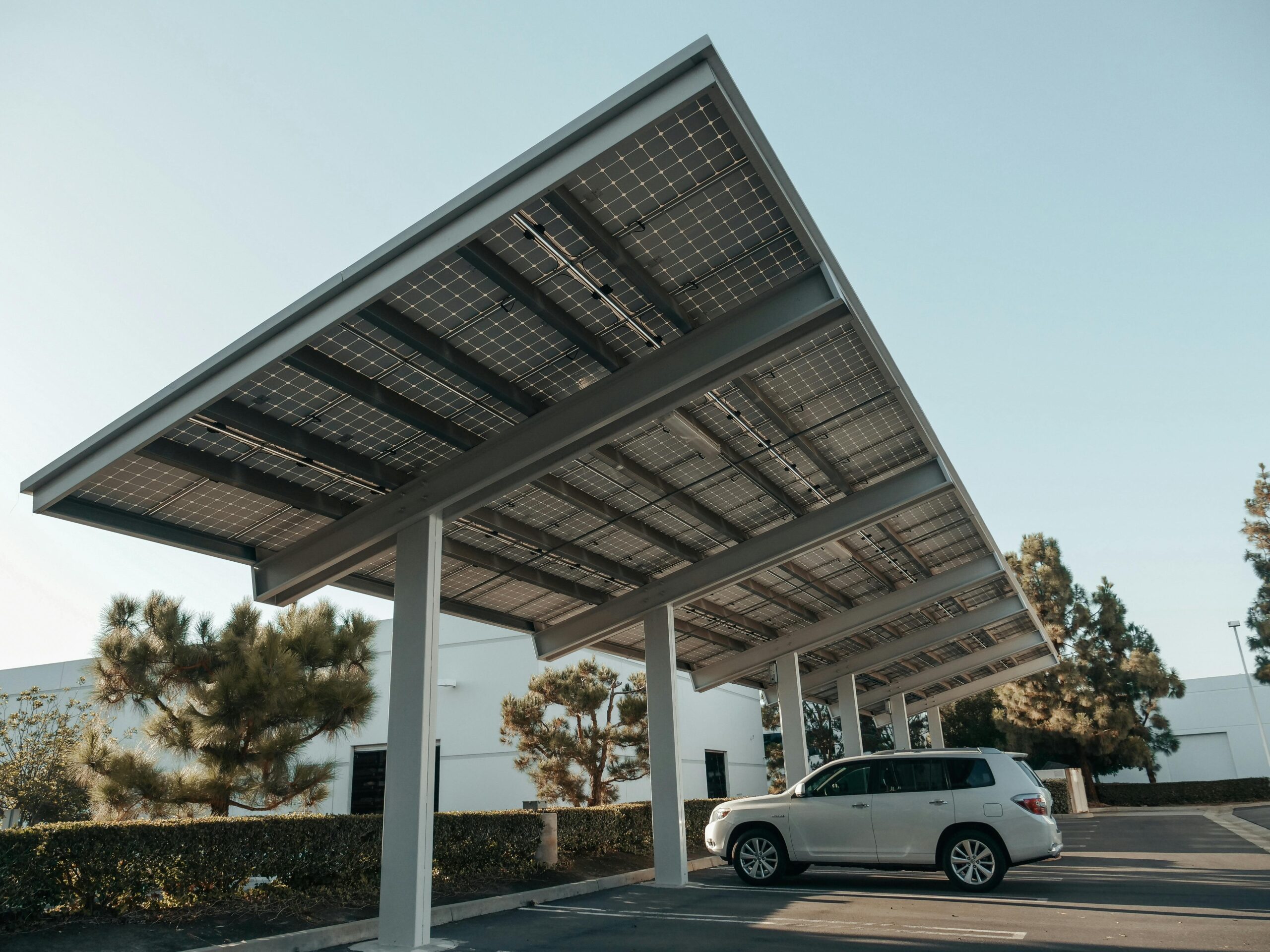
Contemporary energy-efficient construction seamlessly incorporates renewable energy generation. Solar photovoltaic panels have become increasingly affordable and efficient, with some building-integrated photovoltaic (BIPV) systems functioning as both structural elements and power generators. Solar roof tiles, for instance, provide weather protection while generating electricity virtually indistinguishable from conventional roofing materials.
Geothermal heat pump systems tap into the earth’s stable underground temperatures to provide heating and cooling at a fraction of traditional system costs. These systems can reduce energy consumption for climate control by 40-70% compared to conventional HVAC equipment, offering substantial long-term savings despite higher initial installation costs.
🏗️ Sustainable Materials Revolutionizing Building Practices
Material selection plays a fundamental role in determining a building’s overall energy efficiency and environmental footprint. The construction industry has witnessed remarkable advances in sustainable materials that deliver superior performance while reducing ecological impact.
Innovative Insulation Solutions
Beyond traditional fiberglass and foam insulation, newer materials offer enhanced thermal performance with lower environmental costs. Sheep’s wool insulation provides excellent temperature regulation, moisture management, and sound dampening while being completely renewable and biodegradable. Recycled denim insulation repurposes textile waste into effective thermal barriers containing no harmful chemicals or irritants.
Phase-change materials (PCMs) represent a particularly fascinating development. These substances absorb and release thermal energy as they transition between solid and liquid states, effectively storing excess heat during warm periods and releasing it when temperatures drop. Incorporating PCMs into walls, ceilings, or floors can significantly reduce temperature fluctuations and decrease heating and cooling demands.
Low-Carbon Concrete and Structural Materials
Concrete production contributes approximately 8% of global CO2 emissions, making the development of sustainable alternatives critically important. Low-carbon concrete formulations now incorporate supplementary cementitious materials like fly ash, slag, or silica fume that reduce the cement content while maintaining or improving structural properties. Some innovative concretes even absorb CO2 during curing, partially offsetting their carbon footprint.
Cross-laminated timber (CLT) has emerged as a viable alternative to steel and concrete for mid-rise construction. This engineered wood product sequesters carbon throughout the building’s lifespan while offering excellent strength-to-weight ratios and faster construction timelines. CLT structures can be prefabricated off-site, reducing construction waste and site disturbance.
💡 Smart Systems Optimizing Energy Performance
Intelligence embedded within building systems transforms passive structures into responsive environments that adapt to occupant needs while minimizing energy waste. These smart solutions leverage data analytics, machine learning, and automation to continuously optimize performance.
Intelligent HVAC Management
Modern heating, ventilation, and air conditioning systems employ sophisticated algorithms that learn occupancy patterns, weather forecasts, and usage preferences to deliver comfort precisely when and where needed. Zone-based climate control allows different building areas to maintain independent temperature settings, eliminating the energy waste associated with conditioning unoccupied spaces.
Demand-controlled ventilation systems monitor indoor air quality in real-time, adjusting fresh air intake based on actual occupancy levels rather than maximum capacity assumptions. This approach can reduce ventilation energy consumption by 30-50% while maintaining healthier indoor environments.
Advanced Lighting Solutions
LED technology has revolutionized building illumination, consuming up to 75% less energy than incandescent alternatives while lasting 25 times longer. Smart lighting systems enhance these savings through occupancy sensors, daylight harvesting, and circadian rhythm programming that adjusts color temperature and intensity throughout the day to support occupant wellbeing and productivity.
Networked lighting systems provide granular control and monitoring capabilities, enabling facility managers to identify inefficiencies, schedule maintenance proactively, and continuously optimize performance across entire portfolios.
🏡 Practical Strategies for Residential Energy Efficiency
Homeowners seeking to transform their living spaces into energy-efficient sanctuaries can implement numerous strategies ranging from simple upgrades to comprehensive renovations. The key lies in prioritizing interventions based on potential impact and return on investment.
Air Sealing and Insulation Enhancement
Before investing in expensive mechanical systems, addressing the building envelope should be the primary focus. Air leaks around windows, doors, electrical outlets, and penetrations can account for 25-40% of heating and cooling energy loss. Professional energy audits using blower door tests and thermal imaging can identify problem areas requiring attention.
Upgrading insulation in attics, walls, and crawl spaces delivers immediate comfort improvements and energy savings. Many regions offer rebates or incentives for insulation upgrades, improving the financial proposition of these improvements.
High-Performance Window and Door Replacement
Windows and doors represent significant thermal vulnerabilities in most homes. Replacing single-pane windows with energy-efficient models featuring double or triple glazing, low-E coatings, and insulated frames can reduce heat loss by 50% or more. Proper installation is critical—even the highest-performance windows underperform if poorly installed with gaps or thermal bridges.
Energy Star certified products meet rigorous efficiency standards and qualify for various incentive programs, offsetting initial costs while delivering ongoing utility savings.
Water Heating Optimization
Water heating typically represents the second-largest energy expense in residential buildings after space conditioning. Heat pump water heaters use electricity to move heat rather than generate it, achieving efficiency rates 2-3 times higher than conventional electric resistance models. Solar water heating systems can provide 50-80% of household hot water needs in suitable climates, offering excellent long-term returns.
Simple measures like insulating hot water pipes, installing low-flow fixtures, and lowering water heater temperature settings can reduce water heating energy consumption by 20-30% with minimal investment.
🏢 Commercial Building Energy Efficiency at Scale
Commercial and institutional buildings present unique opportunities for energy efficiency improvements given their size, operating hours, and complex systems. Strategic approaches to upgrading these facilities can yield substantial environmental and financial benefits.
Comprehensive Energy Management Systems
Enterprise-level energy management platforms consolidate data from multiple buildings and systems, providing centralized monitoring, analysis, and control. These systems identify consumption patterns, detect anomalies, verify savings from efficiency measures, and support continuous commissioning processes that maintain optimal performance over time.
Advanced analytics capabilities enable predictive maintenance, identifying equipment degradation before failures occur and allowing scheduled interventions that minimize downtime and extend asset lifespans.
Retro-Commissioning and Continuous Optimization
Many existing commercial buildings operate far below their potential efficiency due to improper initial setup, deferred maintenance, or systems that have drifted from original specifications. Retro-commissioning systematically evaluates and optimizes building systems to ensure they function as designed, often achieving 10-20% energy savings with minimal capital investment.
Ongoing commissioning programs maintain these improvements through regular system reviews, seasonal adjustments, and performance monitoring, preventing the efficiency degradation that typically occurs without active management.
📊 Measuring Success: Energy Performance Metrics
Effective energy efficiency programs require clear metrics to evaluate performance, track progress, and verify savings. Several standardized frameworks help building owners and managers assess and communicate energy performance.
Energy Use Intensity (EUI), measured in kilowatt-hours per square foot per year, provides a normalized metric enabling comparisons between buildings of different sizes and types. Portfolio managers use EUI benchmarks to identify underperforming assets requiring attention and track improvement trends over time.
Building energy rating systems like Energy Star Portfolio Manager, LEED certification, and BREEAM provide third-party validation of energy performance and sustainability practices. These certifications enhance property values, attract environmentally conscious tenants, and demonstrate corporate sustainability commitments to stakeholders.
💰 Financial Incentives and Return on Investment
While energy-efficient construction solutions require upfront investment, multiple factors improve their financial attractiveness. Direct energy cost savings provide ongoing returns that compound over building lifetimes. In many cases, comprehensive efficiency upgrades achieve payback periods of 5-7 years with continued savings extending for decades.
Government incentives, utility rebates, and tax credits significantly reduce initial costs. Federal programs like investment tax credits for solar installations, along with state and local incentives for insulation, window replacement, and high-efficiency equipment, can offset 25-40% of project costs.
Green buildings command premium rents and sales prices in many markets, with studies showing 7-10% higher asset values for certified sustainable properties. Lower operating costs improve net operating income, directly increasing property valuations for commercial real estate investors.
🌱 Creating Healthier Indoor Environments
Energy efficiency improvements frequently deliver health and wellness benefits beyond utility savings. Better insulation and air sealing reduce drafts and temperature inconsistencies, creating more comfortable environments. Enhanced ventilation systems improve indoor air quality by effectively removing pollutants, allergens, and excess moisture.
Natural daylighting strategies reduce reliance on artificial lighting while providing psychological benefits associated with connection to outdoor environments. Circadian lighting systems that mimic natural daylight patterns can improve sleep quality, mood, and cognitive performance among building occupants.
Low-emission building materials and finishes minimize indoor air quality concerns related to volatile organic compounds (VOCs) and other chemical off-gassing. This consideration proves particularly important for schools, healthcare facilities, and other buildings serving vulnerable populations.
🚀 Emerging Trends Shaping Tomorrow’s Buildings
The evolution of energy-efficient construction continues accelerating with emerging technologies promising even greater sustainability achievements. Net-zero energy buildings that produce as much energy as they consume are transitioning from experimental concepts to achievable standards through improved efficiency measures and renewable energy integration.
Living building materials incorporating biological organisms or bio-based components offer fascinating possibilities. Self-healing concrete containing bacteria that produce limestone to fill cracks could dramatically extend infrastructure lifespans. Algae-based facade systems could simultaneously provide shading, air purification, and biomass energy production.
Artificial intelligence and machine learning will increasingly optimize building performance through predictive algorithms that anticipate needs before they arise, weather-responsive systems that prepare buildings for changing conditions, and occupant preference learning that delivers personalized comfort with minimal energy expenditure.
🔨 Practical Implementation: Starting Your Green Building Journey
Embarking on energy-efficient construction or renovation projects begins with education and planning. Engage qualified professionals including energy consultants, architects specializing in sustainable design, and contractors experienced with green building practices. Their expertise helps navigate technical complexities and avoid costly mistakes.
Conduct comprehensive energy assessments to establish baseline performance and identify highest-impact improvement opportunities. Prioritize measures based on cost-effectiveness, focusing initially on envelope improvements and basic efficiency upgrades before considering more complex or expensive interventions.
Explore financing options including energy-efficiency mortgages, PACE (Property Assessed Clean Energy) programs, and utility on-bill financing that spread costs over time while enabling immediate implementation. Many programs structure payments so that monthly energy savings exceed financing costs, creating immediate positive cash flow.
The transformation toward energy-efficient construction represents one of the most impactful steps individuals and organizations can take to address climate change while creating superior built environments. By embracing cutting-edge solutions, sustainable materials, and intelligent systems, we build not just greener structures but a more resilient, healthier, and prosperous future for all. Every project, whether modest retrofit or ambitious new construction, contributes to this essential transition, proving that environmental responsibility and exceptional building performance are not competing priorities but complementary objectives that reinforce each other in creating spaces where people and planet both thrive. 🌟