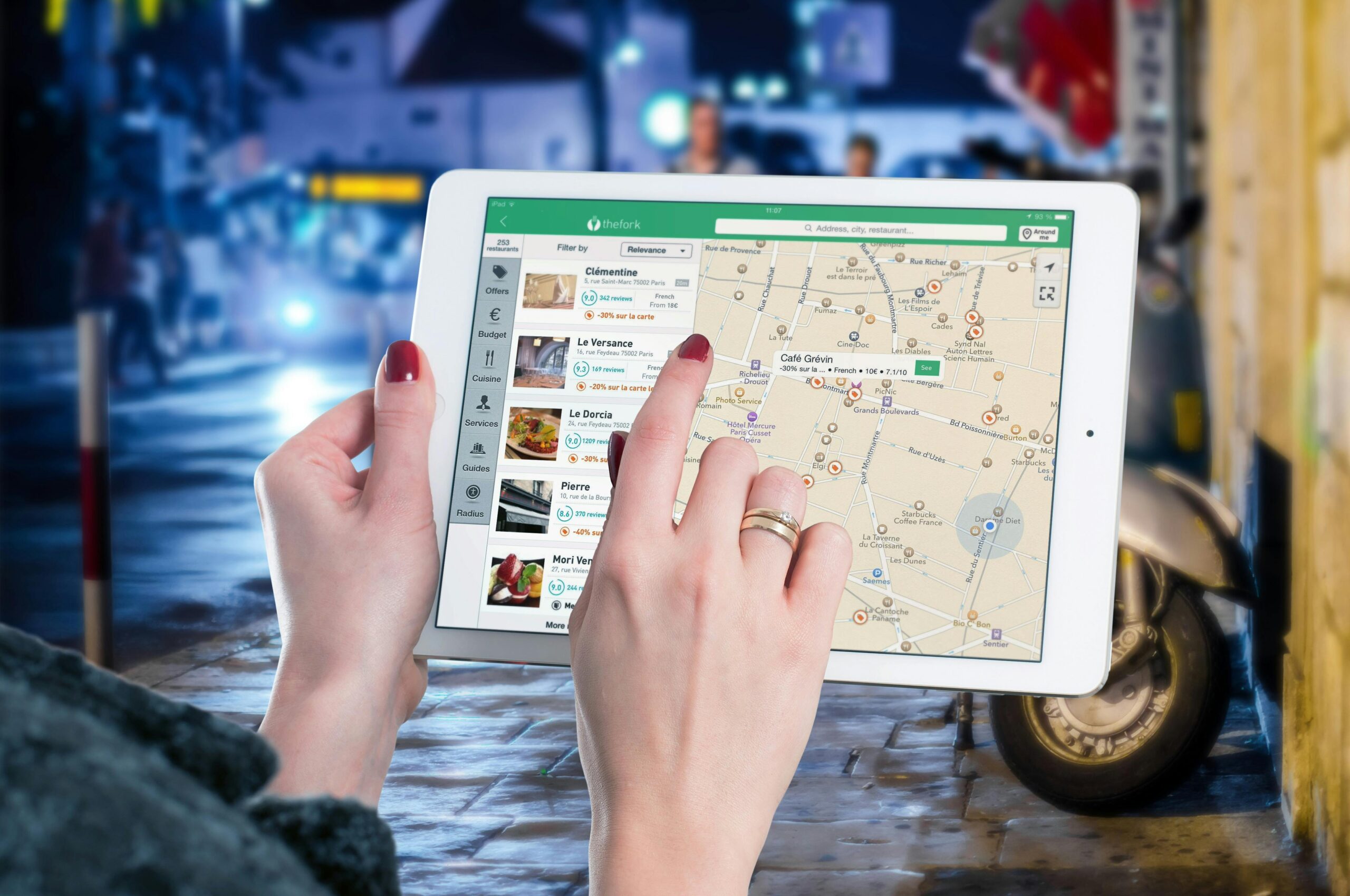
Travel has evolved dramatically in recent years, transforming from a logistical challenge into an opportunity for seamless exploration through cutting-edge technology and real-time optimization tools.

Modern travelers no longer need to rely solely on printed maps, static itineraries, or guesswork when navigating unfamiliar destinations. The digital revolution has ushered in an era where every aspect of your journey can be monitored, adjusted, and perfected in real-time, ensuring you spend less time worrying about logistics and more time creating unforgettable memories. Whether you’re a frequent business traveler, an adventurous backpacker, or a family planning your dream vacation, mastering the art of real-time travel optimization can fundamentally transform how you experience the world.
🌍 The Revolution of Real-Time Travel Technology
The concept of real-time travel optimization represents a paradigm shift in how we approach journey planning and execution. Unlike traditional travel planning that relied on predetermined schedules and hoped-for outcomes, modern optimization leverages live data streams, artificial intelligence, and predictive algorithms to continuously refine your travel experience as circumstances change.
This technology ecosystem encompasses everything from flight tracking and dynamic routing to accommodation availability, local transportation updates, and even weather-responsive itinerary adjustments. The power lies not just in planning before you depart, but in the continuous adaptation that occurs throughout your entire journey, responding to delays, discovering opportunities, and solving problems before they escalate into major disruptions.
Understanding the Components of Smart Travel Systems
Real-time travel optimization systems typically integrate multiple data sources and functionalities. GPS tracking provides location awareness, while machine learning algorithms analyze patterns from millions of travelers to suggest optimal routes and timings. Cloud-based platforms synchronize your information across devices, ensuring you have access to critical details whether you’re using your smartphone, tablet, or laptop.
Weather integration allows these systems to anticipate disruptions and suggest alternatives, while transportation network data provides live updates on flight status, train schedules, traffic conditions, and public transit delays. Social features often enable travelers to share insights and warnings, creating a community-driven intelligence network that benefits everyone.
✈️ Optimizing Air Travel with Real-Time Intelligence
Air travel represents one of the most complex aspects of modern journeys, with countless variables that can impact your experience. Real-time flight tracking applications have become essential tools for savvy travelers, providing minute-by-minute updates on departure gates, boarding times, delays, and cancellations often before airport displays reflect the changes.
These platforms aggregate data from airlines, airports, air traffic control systems, and weather services to give you a comprehensive view of your flight status. Many advanced systems can predict potential delays hours before they’re officially announced, giving you valuable time to explore rebooking options or make alternative arrangements.
Smart Airport Navigation and Connection Management
Major international airports can be overwhelming mazes, especially when you’re facing tight connections. Real-time optimization tools now include detailed airport maps with current security wait times, walking distances between gates, and even recommendations for which side of the aircraft to sit on for faster deplaning based on gate positions.
For travelers with connecting flights, these systems calculate whether you’ll realistically make your connection based on actual arrival times, current location of your aircraft, and typical deplaning speeds. If a connection looks questionable, the system can proactively present rebooking options, sometimes even automatically initiating the change process with your airline.
🚗 Ground Transportation: Navigating Like a Local
Once you arrive at your destination, ground transportation optimization becomes crucial for efficient exploration. Modern navigation apps do far more than provide turn-by-turn directions; they analyze real-time traffic data, accident reports, road closures, and construction projects to continuously recalculate the fastest route to your destination.
These systems learn from historical patterns, understanding that certain routes become congested during rush hours or that specific shortcuts exist that locals use but tourists rarely discover. By incorporating public transportation options, ride-sharing availability, bike-sharing stations, and pedestrian paths, comprehensive travel apps create multimodal journey suggestions that save both time and money.
The Power of Predictive Routing
Advanced navigation systems now employ predictive algorithms that don’t just react to current conditions but anticipate future changes. If you’re planning to leave for the airport in two hours, these systems analyze traffic patterns to predict conditions at your actual departure time, recommending an optimal leaving time rather than just providing current travel duration.
This predictive capability extends to suggesting departure times for day trips, warning you about events that might cause congestion, and even recommending alternative dates for certain activities based on anticipated crowds and weather conditions.
🏨 Accommodation Intelligence and Dynamic Booking
Accommodation represents a significant portion of travel budgets, and real-time optimization tools have revolutionized how travelers find and book lodging. Price-tracking algorithms monitor thousands of hotels, vacation rentals, and alternative accommodations, alerting you when rates drop for properties you’re interested in or suggesting booking windows that historically offer the best value.
These systems analyze cancellation patterns, understanding that certain hotels in specific destinations often see price drops at predictable intervals before arrival dates. By understanding these patterns, travelers can time their bookings strategically or monitor for price drops that trigger automatic rebooking at lower rates.
Location Optimization Based on Your Itinerary
Rather than simply searching by city name, sophisticated accommodation tools analyze your planned activities and suggest optimal neighborhood locations. If your itinerary includes attractions spread across a city, the system calculates which accommodation location minimizes total travel time and transportation costs throughout your stay.
This spatial optimization considers not just distance but also transportation availability, safety ratings, neighborhood amenities, and access to restaurants and services you’re likely to need. The result is accommodation selection based on holistic journey efficiency rather than isolated nightly rates.
📱 All-in-One Travel Management Platforms
While specialized apps excel in particular domains, comprehensive travel management platforms attempt to unify all aspects of journey optimization into single interfaces. These applications aggregate flight confirmations, hotel reservations, car rentals, restaurant bookings, and activity tickets into centralized itineraries that update in real-time as circumstances change.
The true power emerges when these platforms don’t just display information but actively manage your journey. When a flight delay threatens a hotel check-in time, the system automatically notifies the property. When weather threatens outdoor activities, alternatives are suggested with one-tap rebooking capabilities.
💡 Strategic Tips for Maximizing Travel Optimization Tools
Technology only delivers value when used effectively. Here are proven strategies for extracting maximum benefit from real-time travel optimization systems:
- Enable all notifications: While notification fatigue is real, travel apps deserve exceptions. Critical updates about delays, gate changes, or booking issues require immediate attention.
- Download offline capabilities: Even the best real-time systems need contingency plans. Ensure maps, confirmations, and essential information are available offline.
- Integrate calendar systems: Allow travel apps to access your calendar so they can provide contextual suggestions based on meeting times, free periods, and scheduled commitments.
- Share itineraries selectively: Many platforms allow itinerary sharing with travel companions, ensuring everyone receives updates simultaneously and coordination becomes effortless.
- Learn the override features: Sometimes algorithms make suggestions that don’t align with your preferences. Understanding how to manually adjust routes or filter recommendations ensures technology serves you rather than constraining you.
Building Your Personal Travel Tech Stack
Rather than relying on a single application, experienced travelers curate ecosystems of complementary tools that address different aspects of journey optimization. A typical stack might include a comprehensive itinerary manager, a specialized flight tracking app, a navigation tool with excellent offline capabilities, a translation service, and a local transportation app specific to your destination.
The key is ensuring these applications integrate smoothly, sharing data where appropriate and avoiding redundant data entry. Many modern travel apps offer API integrations or native connections with complementary services, creating seamless information flow across your digital travel ecosystem.
🌐 Cultural and Language Optimization
Beyond logistical efficiency, real-time optimization extends to cultural navigation and communication. Translation apps have evolved from simple word-for-word converters to sophisticated contextual interpreters that handle idioms, maintain conversation flow, and even translate text in images through augmented reality overlays.
These tools provide cultural context alongside translations, explaining social norms, tipping expectations, and appropriate greetings for different situations. Some systems offer real-time conversation translation, allowing natural dialogue despite language barriers, transforming international travel from a communication challenge into an opportunity for authentic connection.
Local Experience Discovery Through AI Recommendations
Discovering authentic local experiences represents one of travel’s greatest rewards, yet tourists often gravitate toward overcrowded attractions while missing nearby gems. AI-powered recommendation engines analyze your preferences, past activities, budget parameters, and available time to suggest experiences that match your travel style rather than generic top-ten lists.
These systems learn continuously, refining suggestions based on which recommendations you act upon, how long you spend at venues, and implicit feedback from your behavior patterns. The result is increasingly personalized discovery that helps you find your version of the perfect journey rather than following someone else’s template.
🔒 Security and Safety Through Real-Time Awareness
Travel safety has been dramatically enhanced through real-time information systems. Government travel advisories, local incident reports, weather warnings, and health alerts can now reach travelers instantly, often before official channels issue formal notifications.
Location-sharing features allow trusted contacts to monitor your whereabouts during solo travel, providing peace of mind without constant check-in calls. Emergency contact information, embassy locations, and local emergency numbers are readily accessible, often with one-tap calling capabilities that work even when you’re unfamiliar with local dialing codes.
Health and Wellness Optimization
Travel inevitably disrupts normal health routines, but optimization tools now help minimize these impacts. Apps track time zones and suggest optimal sleep schedules to combat jet lag, considering your circadian rhythm, flight timing, and scheduled activities upon arrival. Medication reminders adjust automatically across time zones, ensuring you maintain treatment schedules despite geographical changes.
Fitness integration allows you to discover running routes, nearby gyms, yoga studios, or outdoor workout locations wherever you travel, maintaining wellness routines that keep energy levels high throughout your journey. Dietary preference filters help locate restaurants matching your nutritional requirements, from allergen-free options to specific diet protocols.
💰 Financial Optimization and Budget Management
Real-time currency conversion tools eliminate the mental math that often leads to overspending in foreign destinations. These apps provide live exchange rates and can track spending across multiple currencies, converting everything to your home currency for easy budget monitoring.
Expense tracking features categorize spending automatically, helping you understand where money actually goes during trips versus budgeted expectations. This insight proves invaluable for planning future journeys and identifying areas where optimization could reduce costs without sacrificing experience quality.
Dynamic Pricing Intelligence
Understanding that travel prices fluctuate constantly, optimization platforms now offer price monitoring for activities, tours, and experiences beyond just flights and hotels. These systems alert you when prices drop for booked items that offer free cancellation, enabling rebooking at lower rates, or suggest optimal booking windows for items still on your wishlist.
Some advanced platforms employ predictive pricing models that estimate whether current prices represent good value or if waiting might yield better rates, helping you make informed purchasing decisions rather than impulse bookings driven by availability anxiety.
🚀 The Future of Travel Optimization
Emerging technologies promise even more seamless travel experiences. Augmented reality navigation will overlay directional arrows onto real-world views through your smartphone camera, eliminating confusion about which direction to walk or which building contains your destination. Biometric integration will streamline airport security and hotel check-ins, reducing friction points that currently slow travel.
Artificial intelligence assistants will evolve from reactive information providers to proactive travel managers, anticipating needs before you articulate them and handling routine decisions autonomously while escalating only situations requiring personal judgment. Blockchain-based identity verification may eventually eliminate repeated document checks, creating trusted traveler profiles that expedite processes across borders.

🎯 Taking Action: Your Optimization Journey Begins Now
Mastering real-time travel optimization doesn’t require adopting every available tool simultaneously. Start with one area that causes you the most travel stress—perhaps flight tracking if you frequently face delays, or navigation if you struggle with unfamiliar cities. Implement solutions for that specific challenge, become comfortable with the tools, and then gradually expand your optimization ecosystem.
The goal isn’t perfect travel—unexpected situations will always arise. Rather, optimization creates resilience, providing information and alternatives that transform potential crises into minor inconveniences. Each journey becomes smoother than the last as you refine your approach, discover new tools, and develop intuition about which optimizations deliver the most value for your particular travel style.
Travel represents one of life’s most enriching experiences, offering education, perspective, and memories that endure long after you return home. By leveraging real-time optimization technology, you remove logistical friction that previously consumed time and energy, freeing yourself to focus on what truly matters—the people you meet, the places you discover, and the personal growth that comes from experiencing our diverse and fascinating world. Your next adventure awaits, and with the right optimization tools, it promises to be your smoothest, most enjoyable journey yet. 🌟