
Urban air mobility is no longer a futuristic fantasy confined to science fiction movies. Cities worldwide are preparing for a revolutionary transformation in how people move through metropolitan areas, with flying vehicles set to reshape urban transportation.

The concept of urban air mobility (UAM) represents a paradigm shift in city travel, promising to alleviate ground-level congestion, reduce travel times dramatically, and offer sustainable alternatives to traditional transportation methods. As technological advancements accelerate and regulatory frameworks evolve, the dream of seamlessly navigating cities through the air is rapidly becoming reality.
🚁 The Dawn of Urban Air Mobility: Understanding the Revolution
Urban air mobility encompasses a broad spectrum of aviation technologies designed specifically for short-distance flights within and around urban environments. This emerging sector focuses primarily on electric vertical takeoff and landing (eVTOL) aircraft, which combine the convenience of helicopters with the efficiency and environmental benefits of electric propulsion systems.
Unlike conventional aircraft, eVTOL vehicles require minimal infrastructure for operation. They can utilize existing helipads, parking structures, and specially designed vertiports—compact takeoff and landing facilities integrated into urban landscapes. This flexibility makes them particularly attractive for dense metropolitan areas where space is at a premium.
The market potential for urban air mobility is staggering. Industry analysts project the UAM sector could reach valuations exceeding $15 billion by 2030, with exponential growth expected in subsequent decades. Major aerospace manufacturers, automotive companies, and innovative startups are investing billions in developing viable commercial solutions.
Leading Technologies Shaping the Skies
The technological foundation of urban air mobility rests on several groundbreaking innovations that have matured considerably over the past decade. Electric propulsion systems have emerged as the cornerstone of this revolution, offering quiet operation, zero direct emissions, and significantly reduced maintenance requirements compared to traditional combustion engines.
Electric Vertical Takeoff and Landing Aircraft ✈️
eVTOL aircraft represent the most promising technology for near-term urban air mobility deployment. These vehicles utilize multiple electric motors and rotors to achieve vertical flight capabilities while maintaining energy efficiency. Advanced battery technology has improved range and payload capacity, though current limitations still restrict most designs to journeys of 50-150 miles on a single charge.
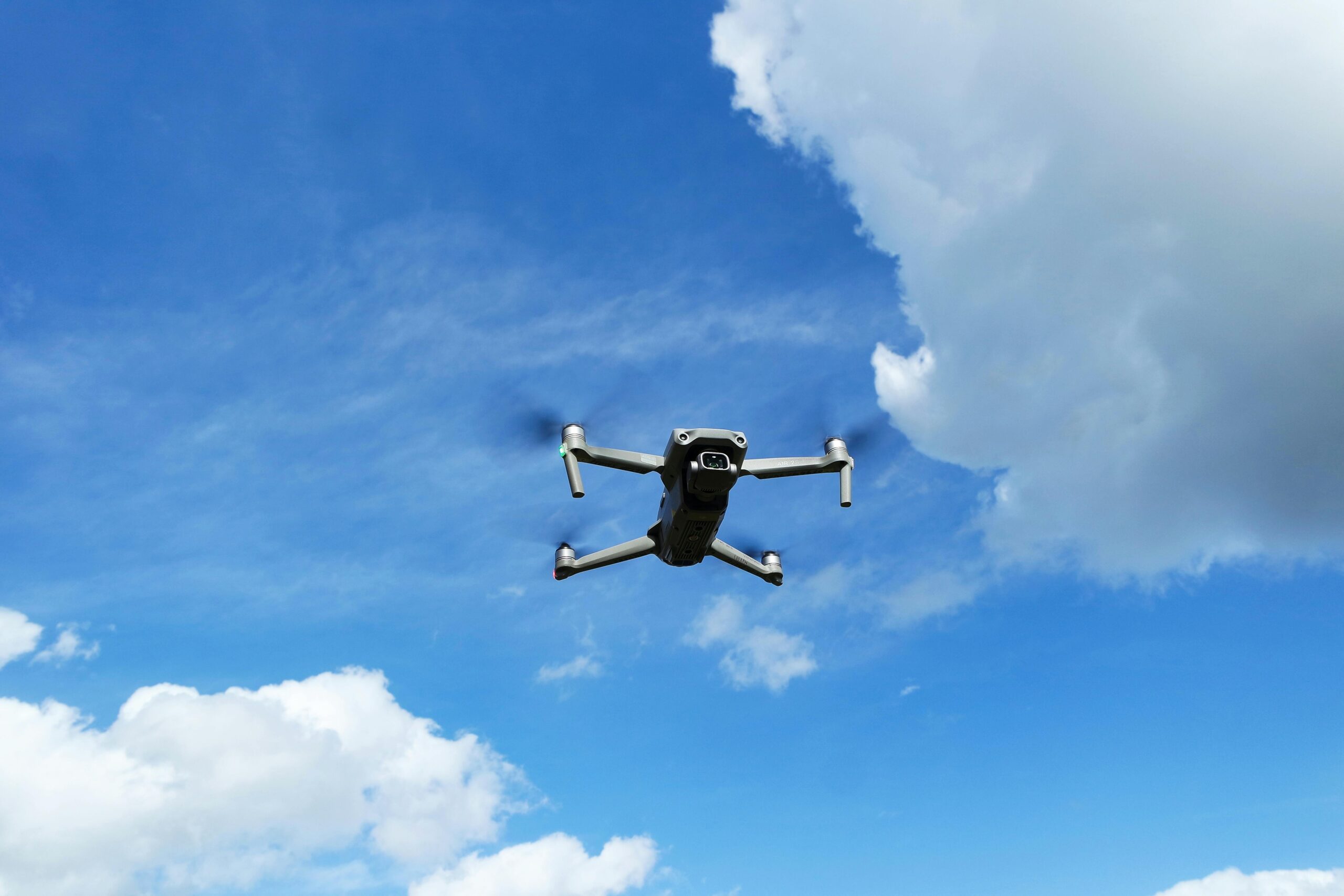
Leading manufacturers are exploring various configurations, including multirotor designs resembling large drones, vectored thrust systems that transition between vertical and horizontal flight modes, and lift-plus-cruise architectures that combine dedicated lifting and forward propulsion mechanisms. Each approach offers distinct advantages in terms of efficiency, safety, and operational flexibility.
Autonomous Flight Systems
Automation plays a critical role in making urban air mobility economically viable and scalable. While initial commercial services will likely feature human pilots, the long-term vision involves fully autonomous operations managed by sophisticated artificial intelligence systems. These systems integrate sensors, computer vision, machine learning algorithms, and redundant safety mechanisms to navigate complex urban environments safely.
Autonomous flight technology must address unique challenges including dynamic obstacle avoidance, weather adaptation, emergency landing site identification, and seamless communication with air traffic management systems. Companies are conducting extensive testing programs, accumulating thousands of flight hours to validate safety protocols and refine operational procedures.
Infrastructure Development: Building the Foundation for Aerial Cities
Successful implementation of urban air mobility requires comprehensive infrastructure networks extending far beyond the aircraft themselves. Vertiports serve as the physical gateway connecting ground and air transportation, requiring strategic placement throughout metropolitan areas to maximize accessibility and operational efficiency.
These facilities must accommodate rapid passenger boarding and disembarking, aircraft charging or battery swapping, maintenance operations, and integration with existing transportation networks. Urban planners are exploring various implementation models, from rooftop installations on existing buildings to dedicated ground-level facilities near transit hubs and business districts.
Charging and Energy Management 🔋
The electric nature of most urban air mobility vehicles necessitates robust charging infrastructure capable of quickly replenishing aircraft batteries to maintain high utilization rates. Fast-charging technology continues advancing, with some systems now capable of delivering 80% charge in 15-20 minutes, though battery swapping presents an alternative approach that eliminates charging downtime entirely.
Energy management systems must coordinate charging schedules to avoid overwhelming local electrical grids while ensuring aircraft availability matches demand patterns. Smart grid integration, renewable energy sources, and energy storage solutions will play increasingly important roles as operations scale.
Regulatory Landscape: Navigating Complex Airspace
Aviation authorities worldwide face the challenging task of developing regulatory frameworks that ensure safety while enabling innovation in urban air mobility. The Federal Aviation Administration (FAA) in the United States, the European Union Aviation Safety Agency (EASA), and similar organizations globally are actively working to establish certification standards, operational guidelines, and airspace management protocols.
These regulations must address numerous considerations including aircraft design and manufacturing standards, pilot training and licensing requirements, maintenance procedures, noise regulations, privacy concerns, and integration with existing aviation operations. The regulatory process typically involves extensive collaboration between government agencies, industry stakeholders, and community representatives.
Air Traffic Management Evolution
Traditional air traffic control systems were designed for relatively low volumes of manned aircraft operating in controlled environments. Urban air mobility will introduce exponentially more vehicles flying at lower altitudes in congested airspace, necessitating entirely new traffic management paradigms.
Unmanned Traffic Management (UTM) systems leverage advanced technologies including real-time data sharing, automated conflict resolution, dynamic route optimization, and distributed decision-making to coordinate numerous simultaneous flights safely. These systems must integrate seamlessly with conventional air traffic control while maintaining cybersecurity and operational resilience.
Environmental Impact and Sustainability Considerations 🌍
Urban air mobility proponents emphasize the environmental benefits of electric aircraft compared to ground-based vehicles, particularly in reducing greenhouse gas emissions and improving urban air quality. When powered by renewable energy sources, eVTOL aircraft can achieve near-zero carbon footprints, contributing meaningfully to climate change mitigation efforts.
However, comprehensive environmental assessments must consider the full lifecycle impact, including battery production and disposal, manufacturing processes, infrastructure construction, and electricity generation methods. The sustainability equation varies significantly depending on regional energy mixes and operational patterns.
Noise Pollution Concerns
While electric aircraft operate far more quietly than conventional helicopters, noise remains a legitimate concern for urban residents. The acoustic signature of multiple rotors, particularly during takeoff and landing, can still generate noticeable sound levels. Manufacturers are investing heavily in acoustic engineering to minimize noise through rotor design optimization, flight path planning, and operational procedures that limit overflights of residential areas during sensitive hours.
Economic Models: Making Sky Travel Accessible
The economic viability of urban air mobility depends on achieving costs competitive with ground alternatives while delivering sufficient value through time savings and convenience. Initial services will likely target premium customers willing to pay substantial fares for rapid airport transfers and point-to-point executive transportation.
As technology matures and operations scale, costs are expected to decline significantly. Industry projections suggest that within a decade, air taxi services could achieve per-mile costs comparable to today’s ride-sharing services, making them accessible to broader demographics. Autonomous operations will be crucial to this cost reduction, eliminating pilot expenses that represent significant operational overhead.
Business Models and Service Offerings
Multiple business models are emerging within the urban air mobility ecosystem. On-demand air taxi services resemble current ride-hailing platforms, allowing passengers to summon aircraft via mobile applications for immediate or scheduled travel. Scheduled shuttle services operate on fixed routes between popular destinations, offering lower fares through higher utilization rates.
Private ownership models will likely remain limited to high-net-worth individuals due to acquisition and operating costs. However, fractional ownership and membership programs could make private access more attainable. Cargo and logistics applications also present significant opportunities, particularly for time-sensitive medical supplies, critical parts, and high-value goods.
Major Players and Market Competition 🏆
The urban air mobility sector has attracted diverse participants ranging from aerospace giants to automotive manufacturers and innovative startups. Established companies bring extensive aviation expertise and regulatory experience, while newer entrants often drive technological innovation and creative business approaches.
Notable manufacturers include Joby Aviation, Archer Aviation, Lilium, Volocopter, EHang, and Wisk Aero, each pursuing distinct technical approaches and market strategies. Traditional aerospace companies including Boeing, Airbus, and Embraer have also launched urban air mobility divisions or partnerships to capture market share in this emerging sector.
Automotive manufacturers recognize urban air mobility as a natural extension of their mobility portfolios. Toyota, Hyundai, Geely, and others have made substantial investments in eVTOL developers, bringing automotive manufacturing expertise and established customer relationships to accelerate commercialization.
Societal Implications and Urban Planning
The integration of urban air mobility will fundamentally alter city planning, architecture, and social dynamics. Buildings may be designed with integrated vertiports, changing skyline aesthetics and real estate valuations. Transportation planning will increasingly consider three-dimensional connectivity, potentially reshaping development patterns and urban sprawl.
Equity concerns must be addressed to prevent urban air mobility from exacerbating existing transportation disparities. Policymakers are exploring mechanisms to ensure diverse communities benefit from improved mobility, possibly through subsidized routes, public-private partnerships, or integrated fare structures with existing transit systems.
Public Acceptance and Trust Building
Widespread adoption requires public confidence in safety, reliability, and accessibility. Education initiatives, demonstration programs, and transparent communication about risks and benefits will be essential. Early operational experiences will significantly influence public perception, making safety paramount during initial deployments.
Timeline to Reality: When Will We Fly? 📅
Commercial urban air mobility services are transitioning from concept to reality faster than many predicted. Several companies have announced intentions to launch commercial operations between 2024 and 2026, beginning with limited routes in select cities that have developed supportive regulatory environments and infrastructure.
These initial deployments will serve primarily as proof-of-concept demonstrations while allowing operators to refine procedures, validate business models, and build public confidence. Broader rollouts spanning multiple cities and higher flight frequencies are anticipated throughout the late 2020s, with truly ubiquitous urban air mobility networks potentially emerging in the 2030s.
The pace of adoption will vary significantly by geography, influenced by regulatory readiness, infrastructure investment, public acceptance, and economic conditions. Dense, affluent metropolitan areas with severe ground congestion will likely see earlier adoption, while smaller cities may follow as technology costs decline.
Transforming Urban Life: Beyond Transportation 🌆
Urban air mobility represents more than just another transportation option—it promises to fundamentally transform how cities function and how people experience urban life. Reduced commute times could reshape residential location choices, enabling workers to live farther from employment centers without sacrificing quality of life.
Emergency services stand to benefit tremendously from aerial mobility, with rapid-response medical transportation potentially saving countless lives through faster access to trauma centers. Organ transportation, disaster response, and emergency evacuations could all be revolutionized by readily available air mobility.
The psychological impact of accessible flight may prove equally significant. The freedom to bypass ground-level congestion and experience cities from new perspectives could enhance urban livability and resident satisfaction. However, managing increased overhead activity without creating unwelcome disruption will require thoughtful implementation and community engagement.
Challenges Ahead: Realistic Expectations
Despite tremendous progress and compelling potential, urban air mobility faces substantial obstacles that will determine implementation timelines and ultimate success. Technical challenges including battery energy density limitations, adverse weather operations, and cybersecurity vulnerabilities require continued innovation and rigorous testing.
Economic uncertainties persist regarding consumer demand at various price points, operational costs at scale, and infrastructure funding mechanisms. Insurance considerations, liability frameworks, and public acceptance remain partially unresolved. Coordinating among multiple stakeholders including aircraft manufacturers, infrastructure developers, regulators, urban planners, and communities adds complexity to deployment efforts.
Realistic expectations acknowledge that urban air mobility will likely complement rather than replace ground transportation for the foreseeable future. Integration with existing mobility systems through multimodal approaches will maximize benefits while managing limitations of individual transportation modes.
The Path Forward: Collaborative Innovation
Realizing the full potential of urban air mobility requires unprecedented collaboration among diverse stakeholders. Public-private partnerships can accelerate infrastructure development while ensuring alignment with broader urban planning goals. International coordination on standards and regulations will facilitate technology transfer and operational compatibility across borders.
Continued investment in research and development remains essential to address technical challenges and drive costs downward. Educational institutions play crucial roles in developing workforce capabilities spanning aerospace engineering, air traffic management, maintenance technician training, and urban planning specialized in three-dimensional mobility networks.
Public engagement and transparent communication will build the trust necessary for widespread adoption. Demonstration projects, community consultations, and inclusive planning processes can address concerns while incorporating diverse perspectives into implementation strategies.
As urban air mobility evolves from ambitious vision to operational reality, it holds genuine potential to revolutionize city travel, making metropolitan areas more livable, sustainable, and connected. The journey ahead requires persistence, innovation, and collaboration, but the destination—cities where flight is as routine as riding a bus—grows closer with each passing day. The future of urban travel is taking flight, and it promises to transform not just how we move, but how we experience and interact with the cities we call home.