Cities worldwide are experiencing a transportation renaissance, driven by pedal-powered innovation and digital technology. Smart bicycle networks are reshaping how millions of people navigate urban environments, offering sustainable alternatives to congested roads.

The convergence of cycling infrastructure, mobile technology, and environmental consciousness has created unprecedented momentum for bicycle-based transportation systems. From dedicated bike lanes with intelligent sensors to app-enabled bike-sharing platforms, urban mobility is being fundamentally reimagined through two-wheeled solutions that reduce carbon emissions while improving quality of life.
🚴 The Rise of Smart Cycling Infrastructure
Modern bicycle networks extend far beyond painted lanes on existing roadways. Today’s intelligent cycling infrastructure incorporates sensors, real-time data analytics, and connected systems that communicate with riders, city planners, and transportation management centers simultaneously.
Copenhagen, Amsterdam, and Utrecht have pioneered comprehensive cycling ecosystems where infrastructure investment matches or exceeds automobile-focused development. These cities demonstrate that dedicated cycling superhighways, protected intersections, and bike-priority traffic signals create safer, faster commutes for pedal-powered travelers.
Smart bicycle networks utilize embedded sensors in roadways to count riders, monitor traffic patterns, and adjust signal timing dynamically. This data-driven approach allows cities to optimize infrastructure investments while providing cyclists with real-time information about route conditions, congestion levels, and estimated travel times.
Connected Bike Lane Technology
Advanced bicycle lanes now feature LED lighting systems that respond to approaching cyclists, illuminating pathways as riders travel and dimming after passage to conserve energy. These responsive systems enhance safety during early morning and evening commutes while demonstrating how technology can complement physical infrastructure.
Temperature-controlled bike lanes in northern climates use geothermal heating or residual energy from nearby buildings to melt snow and ice automatically. This innovation extends cycling season duration significantly, making year-round bicycle commuting practical even in challenging weather conditions.
📱 Mobile Applications Driving Adoption
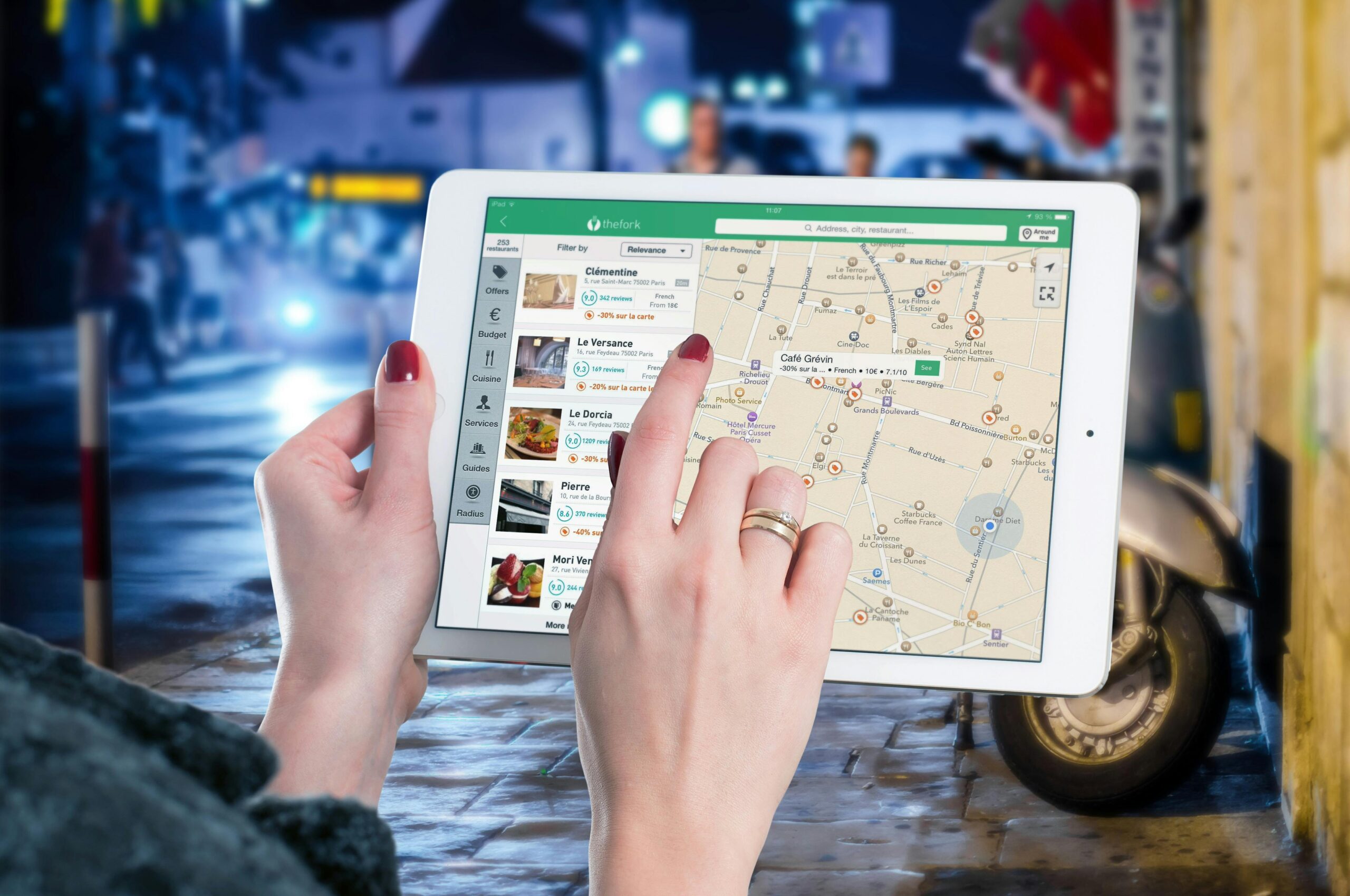
Smartphone applications have become essential companions for urban cyclists, providing navigation, safety features, route optimization, and community connectivity. These digital platforms transform individual bicycles into nodes within broader transportation networks.
Navigation apps designed specifically for cyclists consider factors automobile-focused systems ignore: road surface quality, elevation changes, dedicated bike lane availability, and traffic density. By analyzing these variables, cycling apps identify optimal routes that prioritize safety and efficiency over pure distance minimization.
Community-driven platforms enable cyclists to report hazards, share route recommendations, and track personal fitness metrics while contributing to collective knowledge databases. This crowdsourced information helps cities identify infrastructure gaps and prioritize maintenance activities based on actual user experiences.
Bike-Sharing Platform Integration
Dockless bike-sharing systems have revolutionized urban mobility by eliminating fixed station requirements. Users locate available bicycles through mobile apps, unlock them with QR codes or Bluetooth connections, and leave them at destinations without seeking designated parking areas.
These systems generate valuable data about travel patterns, popular routes, and demand fluctuations throughout different times and seasons. Transportation planners analyze this information to inform infrastructure development decisions and optimize fleet distribution across service areas.
🌍 Environmental Impact and Sustainability
The environmental benefits of widespread bicycle adoption extend beyond obvious carbon emission reductions. Smart bicycle networks contribute to improved air quality, reduced noise pollution, decreased urban heat island effects, and enhanced public health outcomes.
Research demonstrates that replacing short automobile trips with bicycle journeys yields disproportionate environmental benefits. Vehicles operating in start-stop urban conditions produce higher emissions per kilometer than highway driving, making bicycle substitution particularly impactful for reducing urban air pollution.
| Transportation Mode | CO2 Emissions (g/km) | Space Required (m²) | Average Speed (Urban) |
|---|---|---|---|
| Bicycle | 0 | 2 | 15-20 km/h |
| E-Bicycle | 8-10 | 2 | 20-25 km/h |
| Private Car | 120-180 | 25 | 15-25 km/h |
| Public Bus | 40-80 | 30 | 15-20 km/h |
Cities implementing comprehensive bicycle networks report measurable improvements in resident health outcomes. Regular cycling reduces cardiovascular disease incidence, lowers obesity rates, and decreases healthcare costs while increasing overall physical activity levels across populations.
⚡ Electric Bicycles and Assisted Mobility
Electric bicycles have eliminated many traditional barriers to cycling adoption, including physical fitness requirements, topographical challenges, and arrival perspiration concerns. E-bikes enable longer commutes, accommodate varying fitness levels, and make cycling practical for more demographic groups.
Smart e-bikes incorporate GPS tracking, anti-theft systems, diagnostic monitoring, and smartphone connectivity. These features provide security, maintenance alerts, and integration with broader transportation planning systems while delivering pedal-assist functionality that extends range and reduces physical exertion.
Battery technology improvements have enhanced e-bike practicality significantly. Modern lithium-ion batteries provide 50-100 kilometer ranges on single charges while supporting fast-charging capabilities that restore capacity during work hours or coffee stops.
Cargo E-Bikes Transforming Last-Mile Delivery
Electric cargo bicycles are revolutionizing urban logistics by providing efficient alternatives to delivery vans for last-mile package distribution. Major logistics companies increasingly deploy cargo e-bike fleets in dense urban centers where parking challenges and traffic congestion make traditional delivery vehicles inefficient.
These specialized bicycles carry loads up to 200 kilograms while maintaining maneuverability in crowded streets and accessing pedestrian zones closed to motor vehicles. Businesses using cargo e-bikes report reduced delivery costs, improved delivery times, and enhanced brand perception among environmentally conscious customers.
🏙️ Urban Planning and Policy Evolution
Forward-thinking cities are redesigning street allocation to prioritize active transportation over automobile dominance. This paradigm shift involves converting vehicle lanes to protected bicycle corridors, expanding pedestrian zones, and implementing congestion pricing that encourages modal shifts toward sustainable transportation.
Complete streets policies mandate that new road construction and reconstruction projects accommodate all users—pedestrians, cyclists, public transit riders, and motorists—rather than prioritizing automobile throughput exclusively. This approach creates more livable urban environments while improving safety for vulnerable road users.
Progressive municipalities offer financial incentives for bicycle adoption, including purchase subsidies, tax credits for bike-to-work commuters, and employer-sponsored bicycle programs. These economic instruments accelerate behavioral change while demonstrating governmental commitment to sustainable transportation priorities.
Overcoming Implementation Challenges
Despite obvious benefits, bicycle network expansion faces resistance from stakeholders accustomed to automobile-centric planning paradigms. Common objections include concerns about reduced parking availability, perceived impacts on business accessibility, and fears about traffic congestion during transition periods.
Evidence from cities that have prioritized cycling infrastructure consistently demonstrates that initial concerns prove unfounded. Protected bicycle lanes increase retail activity by improving streetscape aesthetics and accessibility while reducing traffic speeds create more inviting commercial environments that encourage pedestrian traffic and outdoor dining.
- Dedicated bicycle infrastructure reduces conflicts between cyclists and motorists
- Protected bike lanes increase cycling adoption rates by 50-200% within two years
- Comprehensive bicycle networks reduce automobile dependency across all demographic groups
- Cycling infrastructure costs significantly less than equivalent automobile infrastructure
- Bicycle-friendly cities attract educated workers and innovative businesses
🔐 Safety Technologies and Rider Protection
Smart bicycle networks incorporate multiple safety features designed to protect vulnerable road users. These technologies range from infrastructure-embedded sensors that detect approaching cyclists to wearable devices that monitor rider behavior and environmental conditions.
Collision avoidance systems use radar or cameras to detect vehicles approaching from behind, alerting cyclists to potential dangers through handlebar-mounted displays or smartphone notifications. More advanced systems communicate directly with connected vehicles, enabling automatic braking when collision risks are detected.
Smart helmets now include integrated lighting, turn signal indicators, crash detection sensors, and communication systems that enable hands-free phone calls and navigation audio. When crashes occur, these devices automatically alert emergency contacts and transmit location data to facilitate rapid response.
Infrastructure-Based Safety Improvements
Protected intersections represent significant advances in bicycle safety design. These configurations physically separate cyclists from turning vehicles during signal phases, eliminating dangerous conflicts that cause many serious crashes. Corner refuge islands provide protected waiting areas where cyclists remain visible to motorists while avoiding vehicle turning paths.
Advanced traffic signal systems detect approaching cyclists and extend green phases to ensure riders can clear intersections safely without rushing. This adaptive timing reduces stress for less confident cyclists while improving overall traffic flow by preventing blockages caused by cyclists trapped in intersection conflict zones.
💡 Future Innovations Shaping Smart Cycling
Emerging technologies promise to enhance bicycle networks further through artificial intelligence, autonomous systems integration, and advanced materials science applications. These innovations will address remaining barriers to mass cycling adoption while improving experiences for existing riders.
Solar-powered bicycle paths generate renewable energy while providing riding surfaces, demonstrating how infrastructure can serve multiple functions simultaneously. Pilot projects in the Netherlands and Poland have validated technical feasibility, with ongoing research focused on improving durability and cost-effectiveness.
Artificial intelligence applications will optimize bicycle network management by predicting maintenance needs, forecasting demand patterns, and dynamically adjusting infrastructure operations based on weather conditions, special events, and seasonal variations. Machine learning algorithms will identify safety hazards before accidents occur, enabling proactive interventions.
Integration with Autonomous Vehicle Systems
As autonomous vehicles become more prevalent, their sensor systems and communication protocols must accommodate cyclists as legitimate road users. Vehicle-to-everything (V2X) communication standards will enable direct data exchange between bicycles and automated vehicles, enhancing safety through mutual awareness and predictive behavior modeling.
Smart bicycles equipped with V2X transponders will broadcast position, speed, and intended movements to nearby autonomous vehicles, which will adjust trajectories automatically to maintain safe separation distances. This technological integration could reduce bicycle-vehicle crashes dramatically while enabling smoother traffic flow for all road users.

🌟 Building Inclusive Cycling Cultures
Successful smart bicycle networks serve diverse populations rather than exclusively appealing to young, fit, affluent demographics. Inclusive design considers varying physical abilities, cultural backgrounds, income levels, and comfort zones when planning infrastructure and programs.
Adaptive cycling equipment enables people with disabilities to participate in bicycle-based transportation. Hand-powered cycles, recumbent trikes, and wheelchair-bicycle hybrids provide mobility options for individuals who cannot use traditional bicycles, while infrastructure design must accommodate these varied vehicle formats.
Community education programs introduce cycling to populations traditionally underrepresented among riders. These initiatives provide instruction on bicycle operation, traffic laws, route planning, and basic maintenance while addressing cultural barriers that may discourage participation from specific demographic groups.
The pedal power revolution represents more than infrastructure investment or technological innovation—it embodies a fundamental reimagining of urban mobility priorities. Smart bicycle networks demonstrate that sustainable transportation solutions can deliver superior outcomes across environmental, economic, health, and quality-of-life dimensions simultaneously. As cities continue expanding and refining these systems, cycling will increasingly become the preferred choice for short and medium-distance urban trips, transforming streetscapes and creating more livable communities for everyone. 🚲