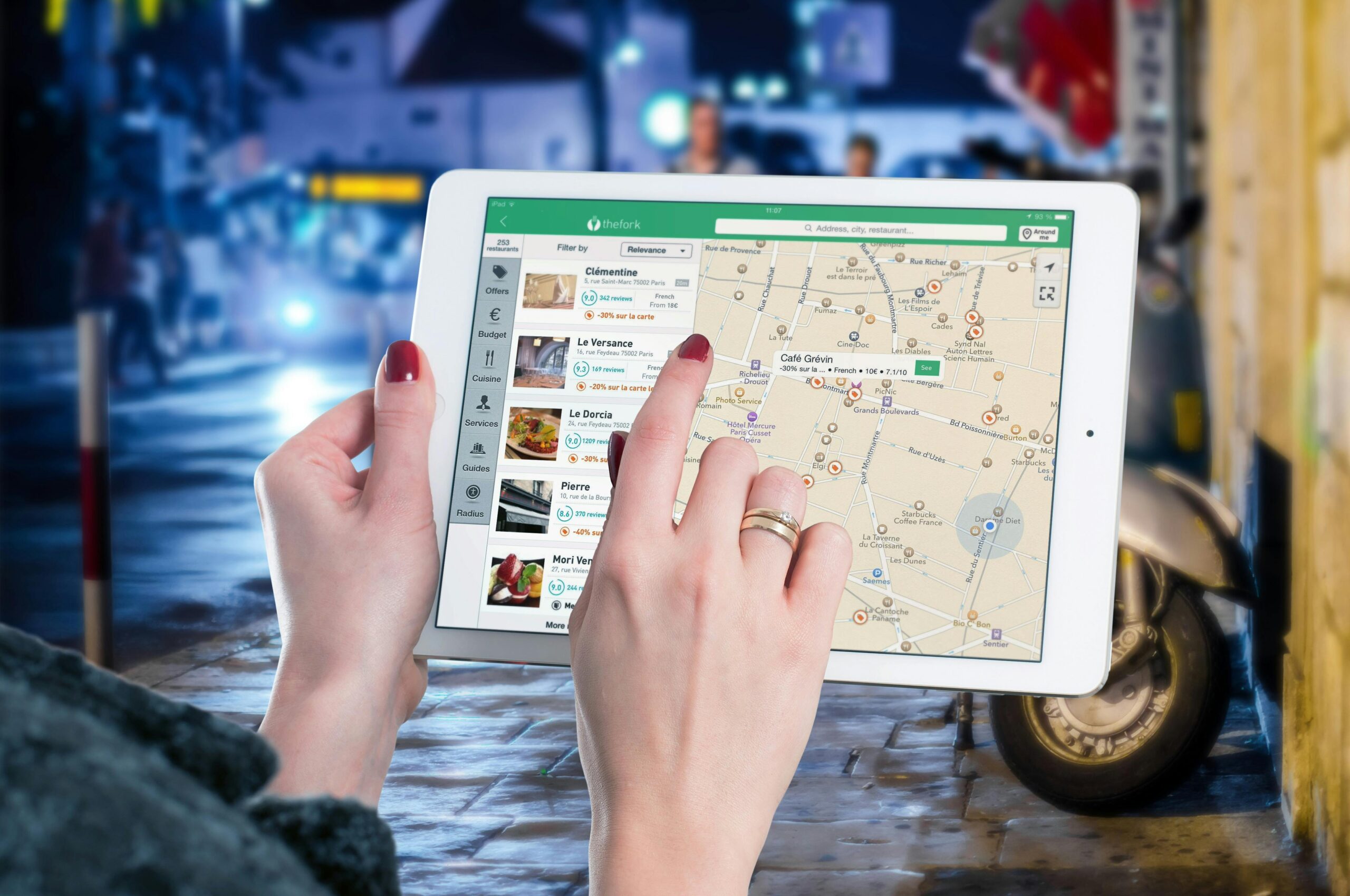
The digital transformation of our cities is no longer a distant vision—it’s happening now. Urban centers worldwide are embracing artificial intelligence and interconnected technologies to create smarter, more efficient environments that enhance quality of life for millions of residents.

From traffic management systems that predict congestion before it happens to energy grids that optimize power distribution in real-time, smart cities represent a fundamental shift in how we design, manage, and experience urban spaces. This technological revolution combines AI-powered monitoring, IoT sensors, big data analytics, and intelligent connectivity to address the complex challenges of modern urbanization.
🌆 Understanding the Smart City Revolution
Smart cities leverage cutting-edge technology to improve urban operations across multiple domains. At their core, these intelligent urban ecosystems rely on massive networks of sensors, cameras, and connected devices that continuously collect data about everything from air quality to pedestrian movement patterns. This information feeds into AI algorithms that analyze patterns, predict trends, and enable city administrators to make data-driven decisions.
The concept extends far beyond simple automation. Modern smart cities create responsive environments that adapt to citizen needs in real-time. When a water pipe begins to leak, sensors detect the anomaly before it becomes a catastrophe. When traffic patterns shift unexpectedly, intelligent systems reroute vehicles to prevent gridlock. This proactive approach represents a paradigm shift from reactive problem-solving to predictive management.
The Building Blocks of Intelligent Urban Infrastructure
Several key technologies form the foundation of smart city ecosystems. Internet of Things devices create vast networks of connected sensors embedded throughout urban infrastructure. These devices communicate constantly, generating terabytes of data that artificial intelligence systems process to extract actionable insights. Machine learning algorithms identify patterns invisible to human observers, enabling cities to anticipate problems and optimize resource allocation.
Cloud computing platforms provide the computational power necessary to process enormous data streams, while 5G networks ensure low-latency communication between devices. Edge computing brings processing power closer to data sources, reducing response times for critical applications like autonomous vehicle coordination and emergency response systems.
🚦 Transforming Urban Mobility Through AI
Transportation represents one of the most visible applications of smart city technology. AI-powered traffic management systems analyze vehicle flow across entire metropolitan areas, adjusting signal timing dynamically to minimize congestion. These systems consider multiple variables simultaneously—current traffic density, historical patterns, weather conditions, special events, and predicted demand—to optimize movement throughout the transportation network.
Intelligent parking solutions guide drivers to available spaces, reducing the time spent circling blocks in search of parking. Studies show that up to 30% of urban traffic consists of drivers searching for parking, contributing significantly to congestion and emissions. Smart parking systems eliminate this inefficiency through real-time monitoring and mobile applications that display available spots.
Public Transportation Gets Smarter
Public transit systems benefit enormously from AI integration. Predictive maintenance algorithms analyze data from bus and train sensors to identify mechanical issues before they cause breakdowns, improving reliability and reducing maintenance costs. Dynamic routing systems adjust transit schedules based on real-time demand, deploying additional vehicles during peak periods and optimizing routes to serve the greatest number of passengers efficiently.
Contactless payment systems and integrated mobility platforms make multi-modal transportation seamless. Commuters can plan journeys that combine buses, trains, bike-sharing, and ride-hailing services through single applications that handle routing, scheduling, and payment across multiple transportation providers.
⚡ Energy Management and Environmental Sustainability
Smart grids represent a revolutionary approach to energy distribution. These intelligent systems balance supply and demand in real-time, integrating renewable energy sources that produce variable output depending on weather conditions. AI algorithms predict energy consumption patterns with remarkable accuracy, enabling utilities to optimize generation and reduce waste.
Smart buildings equipped with connected sensors adjust heating, cooling, and lighting based on occupancy and environmental conditions. These systems learn occupant preferences over time, creating comfortable environments while minimizing energy consumption. Commercial buildings using intelligent energy management systems typically reduce energy costs by 20-30% compared to conventional buildings.
Monitoring Environmental Quality
Air quality monitoring networks deployed throughout smart cities provide granular data about pollution levels. Citizens can access real-time information about air quality in their neighborhoods through mobile applications, making informed decisions about outdoor activities. City administrators use this data to identify pollution sources and evaluate the effectiveness of environmental policies.
Water management systems detect leaks, monitor consumption patterns, and predict maintenance needs. In cities facing water scarcity, intelligent irrigation systems in parks and green spaces adjust watering schedules based on weather forecasts and soil moisture levels, conserving precious resources without sacrificing urban greenery.
🏥 Enhancing Public Safety and Emergency Response
AI-powered surveillance systems enhance urban safety while raising important privacy considerations. Video analytics identify suspicious behavior, detect accidents, and alert emergency services automatically. Unlike human operators who can monitor only a handful of video feeds simultaneously, AI systems analyze thousands of camera streams continuously, identifying situations requiring human attention.
Gunshot detection systems use acoustic sensors to identify and locate weapons fire, alerting police within seconds and providing precise location data. These systems dramatically reduce response times in critical situations where every second matters.
Predictive Policing and Resource Allocation
Machine learning models analyze historical crime data, weather patterns, social events, and other variables to predict where and when crimes are most likely to occur. Police departments use these insights to deploy officers strategically, increasing visibility in high-risk areas during vulnerable time periods. Critics argue these systems may perpetuate biases present in historical data, making transparent oversight and continuous evaluation essential.
Emergency medical services benefit from AI-powered dispatch systems that prioritize calls, route ambulances optimally, and predict equipment needs. Hospitals receive advance notification about incoming patients, including preliminary diagnoses based on emergency responder input, enabling faster treatment upon arrival.
📱 Citizen Engagement and Digital Services
Smart city platforms create direct channels between residents and municipal governments. Mobile applications allow citizens to report problems like potholes, broken streetlights, or illegal dumping with location data and photos. AI systems automatically route these reports to appropriate departments and track resolution, creating accountability and transparency.
Digital identity systems streamline interactions with government services, eliminating bureaucratic inefficiencies. Citizens access permits, pay bills, schedule appointments, and complete other administrative tasks through unified digital platforms, reducing the need for in-person visits to government offices.
Participatory Governance Through Technology
Smart cities increasingly embrace participatory governance models enabled by digital platforms. Residents provide input on urban planning decisions, vote on community projects, and participate in budget allocation processes. These platforms use AI to analyze citizen feedback at scale, identifying common concerns and prioritizing issues that affect the most people.
Community engagement applications connect neighbors, facilitate local commerce, and strengthen social bonds that urban anonymity often erodes. These platforms create digital town squares where residents discuss local issues, organize events, and build community resilience.
🔐 Addressing Privacy and Security Challenges
The vast data collection inherent in smart cities raises significant privacy concerns. Surveillance technologies create the potential for unprecedented monitoring of citizen activities, leading to legitimate fears about government overreach and data misuse. Balancing the benefits of smart city technologies with fundamental privacy rights represents one of the most critical challenges facing urban innovators.
Robust cybersecurity measures are essential to protect smart city infrastructure from malicious attacks. Interconnected systems create new vulnerabilities—hackers who compromise traffic management systems could cause citywide chaos, while ransomware attacks on municipal systems can paralyze essential services. Smart cities must implement defense-in-depth security strategies that protect sensitive data and critical infrastructure.
Building Trust Through Transparency
Successful smart cities prioritize transparency about data collection and usage. Clear policies define what information is gathered, how it’s used, who has access, and how long it’s retained. Independent oversight bodies review data practices regularly, ensuring compliance with privacy regulations and ethical standards.
Anonymization techniques and federated learning approaches enable cities to extract valuable insights from aggregate data without exposing individual information. Privacy-preserving technologies like differential privacy add mathematical guarantees that individual records cannot be reverse-engineered from published statistics.
💡 Economic Development and Innovation Ecosystems
Smart cities attract businesses and talent by offering superior infrastructure, streamlined regulations, and innovation-friendly environments. Technology companies establish operations in smart cities to access testbeds for new products and services. The concentration of digital infrastructure, tech-savvy populations, and progressive governance creates fertile ground for entrepreneurship and innovation.
Digital manufacturing facilities use IoT sensors and AI analytics to optimize production processes, reduce waste, and respond quickly to market demands. Smart logistics systems coordinate supply chains efficiently, reducing delivery times and costs for businesses operating in intelligent urban environments.
Workforce Development for the Digital Economy
Smart cities invest in education and training programs that prepare residents for technology-driven economies. Coding bootcamps, digital literacy programs, and partnerships between educational institutions and technology companies ensure workforces develop skills aligned with evolving job markets. This focus on human capital development ensures that smart city benefits reach all residents, not just affluent tech workers.
🌍 Global Examples Leading the Transformation
Singapore has emerged as a global smart city leader through comprehensive integration of technology across urban systems. The city-state’s Virtual Singapore platform creates a detailed 3D model of the entire nation, enabling planners to test scenarios and visualize the impact of proposed changes before implementation. Extensive sensor networks monitor everything from crowd density to environmental conditions.
Barcelona transformed itself through strategic smart city investments focused on citizen quality of life. Intelligent street lighting adjusts brightness based on pedestrian presence, smart irrigation systems maintain parks efficiently, and digital platforms enable robust citizen participation in governance. The city estimates its smart initiatives save over $50 million annually while reducing carbon emissions significantly.
Dubai aims to become the smartest city globally through ambitious initiatives spanning transportation, healthcare, education, and government services. The city has committed to conducting all government transactions through digital platforms, eliminating paper processes entirely. Autonomous vehicle projects and AI-powered administrative services demonstrate Dubai’s commitment to technological leadership.
🚀 The Future of Urban Intelligence
Emerging technologies promise to accelerate smart city evolution. Quantum computing could enable optimization problems beyond the reach of classical computers, finding ideal solutions for complex resource allocation challenges. Augmented reality interfaces might overlay digital information onto physical environments, helping maintenance workers visualize underground utilities or displaying real-time translation of street signs for international visitors.
Autonomous vehicles will fundamentally reshape urban transportation when widely deployed. Cities could reclaim vast areas currently devoted to parking for housing, parks, or commercial development. Traffic accidents could plummet as AI drivers eliminate human error, which causes over 90% of crashes. The transition period will challenge planners as autonomous vehicles share roads with human drivers.
Equity and Inclusive Smart Cities
Ensuring smart city benefits reach all residents regardless of income, age, or technical literacy remains crucial. Technology should reduce inequality rather than exacerbate existing disparities. This requires intentional design that considers diverse needs, maintains affordable access to digital services, and provides alternatives for residents who cannot or choose not to use technology.
Universal design principles ensure smart city systems work for people with disabilities. Voice interfaces assist visually impaired residents, while real-time captioning helps those with hearing impairments. Accessible design benefits everyone—parents with strollers, travelers with luggage, and elderly residents all appreciate infrastructure designed for maximum usability.

🎯 Making Smart Cities Human-Centered
Technology serves as a tool to improve human lives, not an end in itself. The most successful smart cities maintain focus on resident needs and experiences rather than pursuing technology for its own sake. This human-centered approach means involving citizens in planning processes, measuring success through quality of life improvements rather than technical metrics, and ensuring technology augments rather than replaces human judgment in critical decisions.
Social infrastructure remains as important as digital infrastructure. Parks, community centers, cultural institutions, and public spaces create the connections and experiences that make cities vibrant places to live. Smart technology should enhance these human spaces rather than replace them with digital alternatives.
The smart city revolution represents an unprecedented opportunity to reimagine urban life. By leveraging AI-powered monitoring, intelligent connectivity, and data-driven decision-making, cities can become more efficient, sustainable, safe, and livable. Success requires balancing innovation with privacy protection, ensuring equity alongside efficiency, and maintaining human values at the center of technological transformation. As more cities embark on this journey, the lessons learned and best practices developed will shape urban life for generations to come, creating environments where technology truly serves humanity.