
Urban landscapes are transforming at an unprecedented pace, demanding innovative approaches to city management. Predictive urban planning harnesses data analytics, artificial intelligence, and emerging technologies to create resilient, efficient, and livable communities for future generations.

Cities worldwide face mounting pressures from population growth, climate change, resource scarcity, and infrastructure aging. Traditional planning methods, relying on historical data and reactive measures, no longer suffice in addressing these complex challenges. The integration of predictive technologies into urban planning represents a paradigm shift, enabling city leaders to anticipate problems before they emerge and implement proactive solutions that benefit residents, economies, and the environment.
🌆 The Evolution of Urban Planning: From Reactive to Predictive
Urban planning has undergone significant transformation throughout history. Early city designs focused primarily on defense and trade facilitation, while the industrial revolution brought attention to sanitation and public health. The 20th century emphasized zoning, transportation networks, and suburban expansion. Today’s urban planners face a fundamentally different landscape, one characterized by rapid urbanization, technological acceleration, and environmental imperatives.
Predictive urban planning represents the natural evolution of these practices, incorporating real-time data streams, machine learning algorithms, and sophisticated modeling tools. This approach enables cities to forecast traffic patterns, anticipate infrastructure failures, predict housing demand, and model climate impact scenarios with remarkable accuracy. The shift from reactive problem-solving to proactive planning fundamentally changes how cities allocate resources, design interventions, and engage with their communities.
Understanding the Predictive Planning Framework
The foundation of predictive urban planning rests on three interconnected pillars: comprehensive data collection, advanced analytics, and actionable insights. Cities generate enormous quantities of data through sensors, mobile devices, social media, public services, and administrative systems. When properly aggregated and analyzed, this information reveals patterns, trends, and correlations that inform strategic decision-making.
Successful implementation requires robust digital infrastructure, including Internet of Things (IoT) sensors throughout the urban environment, cloud computing platforms for data processing, and visualization tools that make complex information accessible to planners and policymakers. Equally important are governance frameworks ensuring data privacy, security, and ethical use while maximizing public benefit.
🔮 Key Technologies Driving Predictive Urban Planning
Multiple technological innovations converge to enable predictive capabilities in modern urban planning. Artificial intelligence and machine learning algorithms can process vast datasets, identifying patterns invisible to human analysts. Geographic Information Systems (GIS) integrate spatial data with demographic, economic, and environmental information, creating comprehensive urban models.
Digital twin technology creates virtual replicas of physical cities, allowing planners to test scenarios, simulate interventions, and predict outcomes before implementing changes in the real world. These sophisticated models incorporate multiple variables, from weather patterns and traffic flows to economic indicators and social behaviors, providing unprecedented insight into urban dynamics.
The Role of Big Data Analytics
Big data analytics transforms raw information into strategic intelligence. Transportation departments analyze traffic sensor data, GPS information, and public transit ridership patterns to optimize routes, reduce congestion, and improve service delivery. Utility companies predict energy demand fluctuations, enabling efficient grid management and facilitating renewable energy integration.
Public safety agencies use predictive analytics to allocate resources more effectively, identifying areas with elevated risk factors and implementing targeted prevention programs. Healthcare systems analyze demographic trends, disease patterns, and environmental factors to plan facility locations, anticipate service needs, and respond to public health emergencies more efficiently.
🌱 Building Sustainable Communities Through Prediction
Sustainability represents a central objective of contemporary urban planning, and predictive technologies offer powerful tools for achieving environmental goals. Climate modeling helps cities anticipate heat island effects, flooding risks, and extreme weather events, informing infrastructure investments and emergency preparedness strategies.
Energy management systems use predictive algorithms to optimize consumption, integrate renewable sources, and reduce carbon emissions. Water resource management benefits from forecasting models that predict demand, identify leakage, and ensure adequate supply during drought conditions. Waste management systems employ predictive analytics to optimize collection routes, forecast material flows, and maximize recycling rates.
Green Infrastructure and Urban Ecology
Predictive planning enables strategic deployment of green infrastructure, including parks, urban forests, green roofs, and permeable surfaces. Analysis of environmental data, microclimate patterns, and population distribution guides placement decisions that maximize ecological benefits, improve air quality, and enhance resident wellbeing.
Biodiversity monitoring through sensor networks and citizen science platforms provides data for protecting urban ecosystems. Predictive models forecast how development proposals might impact local flora and fauna, enabling mitigation measures that preserve ecological values while accommodating growth.
🏗️ Smart Infrastructure for Tomorrow’s Cities
Infrastructure represents the backbone of urban functionality, and predictive maintenance revolutionizes how cities manage these critical assets. Sensors embedded in bridges, roads, water pipes, and buildings continuously monitor structural health, detecting early warning signs of deterioration or failure. Machine learning algorithms analyze this data, predicting when maintenance will be needed and preventing catastrophic failures.
This proactive approach extends infrastructure lifespan, reduces emergency repair costs, and minimizes service disruptions. Transportation networks benefit particularly from predictive capabilities, with adaptive traffic signals that respond to real-time conditions, dynamic parking guidance systems, and multimodal transit integration that optimizes the entire urban mobility ecosystem.
Resilient Design and Disaster Preparedness
Predictive urban planning enhances community resilience against natural disasters and other crises. Flood modeling identifies vulnerable areas, guiding infrastructure hardening and emergency response planning. Earthquake risk assessment informs building codes and retrofitting priorities. Fire risk prediction enables strategic placement of emergency services and implementation of prevention measures in high-risk neighborhoods.
Evacuation planning uses simulation models to identify optimal routes, bottlenecks, and shelter locations. Emergency response coordination benefits from predictive resource allocation, ensuring personnel, equipment, and supplies are positioned where they’ll be needed most during crisis situations.
👥 Social Equity and Inclusive Urban Development
Predictive urban planning must address social equity to create truly sustainable communities. Data analytics can reveal disparities in service access, environmental quality, and economic opportunity, enabling targeted interventions that promote inclusion and reduce inequality.
Gentrification prediction models help cities implement policies protecting vulnerable populations from displacement. Analysis of accessibility patterns guides public transit investments ensuring all residents can reach employment, education, healthcare, and recreational opportunities. Housing affordability forecasting informs policy interventions maintaining diverse, economically integrated neighborhoods.
Community Engagement and Participatory Planning
Digital platforms enable broader community participation in planning processes. Mobile applications allow residents to report issues, provide feedback on proposals, and contribute local knowledge that enriches planning decisions. Social media analysis reveals community priorities, concerns, and aspirations, ensuring planning responds to authentic public needs rather than assumptions.
Virtual reality and augmented reality technologies help residents visualize proposed developments, facilitating informed public input. Online collaboration tools enable continuous dialogue between planners and communities, fostering transparency and trust while improving plan quality through diverse perspectives.
📊 Measuring Success: Metrics for Smart Cities
Effective predictive planning requires robust performance measurement frameworks. Cities must establish clear metrics aligned with community goals, tracking progress toward desired outcomes. Key performance indicators span multiple domains, including environmental sustainability, economic vitality, social equity, infrastructure efficiency, and quality of life.
Real-time dashboards provide planners and policymakers with accessible visualizations of urban performance across these dimensions. Comparative analytics enable cities to benchmark against peers, identifying best practices and areas needing improvement. Longitudinal analysis reveals trends over time, assessing whether interventions achieve intended effects and informing adaptive management strategies.
Data-Driven Decision Making in Practice
Successful implementation requires organizational culture changes supporting evidence-based decision making. This includes training staff in data literacy, establishing cross-departmental collaboration protocols, and creating governance structures ensuring analytics inform strategy rather than simply validating predetermined conclusions.
Cities must balance quantitative analysis with qualitative understanding, recognizing that not everything important can be measured and that community values should guide interpretation of data insights. Ethical frameworks ensure analytics serve public interest, protecting privacy while maximizing transparency and accountability.
🌐 Global Examples of Predictive Urban Planning Success
Cities worldwide are implementing predictive planning approaches with impressive results. Singapore’s Virtual Singapore platform creates a comprehensive digital twin enabling scenario testing across transportation, energy, emergency response, and urban development. The system integrates real-time data from thousands of sensors with predictive models, informing policy decisions and infrastructure investments.
Barcelona’s smart city initiatives use sensor networks and data analytics to optimize everything from street lighting and waste collection to tourism management and noise pollution control. Copenhagen employs predictive models to advance carbon neutrality goals, optimizing cycling infrastructure, public transit, and district heating systems based on usage patterns and environmental data.
Learning From Implementation Challenges
Despite successes, predictive planning implementations face significant challenges. Data quality issues, interoperability problems between systems, and insufficient technical capacity constrain many cities. Privacy concerns and surveillance fears can generate public opposition, particularly when governance frameworks lack transparency or meaningful accountability mechanisms.
Financial constraints limit technology adoption, especially in smaller municipalities or developing regions. Addressing these barriers requires innovative financing models, technical assistance programs, open-source platform development, and international knowledge sharing that democratizes access to predictive planning capabilities.
🚀 The Road Ahead: Future Trends in Urban Prediction
Emerging technologies promise to further enhance predictive urban planning capabilities. Quantum computing may enable dramatically more sophisticated modeling of complex urban systems. Advanced AI could provide natural language interfaces making analytics accessible to non-technical stakeholders. Autonomous vehicles will generate unprecedented transportation data while fundamentally altering urban form and function.
5G networks and edge computing will enable real-time processing of massive data streams, supporting immediate responsive systems across urban infrastructure. Blockchain technologies may enhance data security, enable decentralized governance models, and create new mechanisms for civic participation and resource allocation.
Preparing Cities for Transformative Change
Urban leaders must develop adaptive strategies acknowledging uncertainty while building capacity for continuous innovation. This requires investing in digital infrastructure, developing technical workforce skills, fostering innovation ecosystems, and maintaining flexibility in regulatory frameworks that encourage experimentation while protecting public interests.
Regional collaboration enables resource sharing, joint platform development, and coordinated approaches to challenges spanning municipal boundaries. International networks facilitate knowledge exchange, accelerating learning and avoiding duplicative efforts as cities worldwide navigate similar transformations.
💡 Empowering Citizens Through Urban Intelligence
The ultimate measure of successful predictive urban planning lies in improved quality of life for all residents. Technology should remain a means rather than an end, serving human needs and community aspirations. Accessible information empowers citizens to make informed choices about where to live, work, and recreate. Transparent governance builds trust and ensures accountability in how data and predictions shape urban futures.
Educational initiatives help residents understand urban systems, their roles within them, and opportunities for positive contribution. Youth engagement programs cultivate next-generation urban leaders equipped with skills and perspectives needed for ongoing innovation. Cultural programs celebrate urban identity and diversity while fostering social cohesion essential for resilient communities.
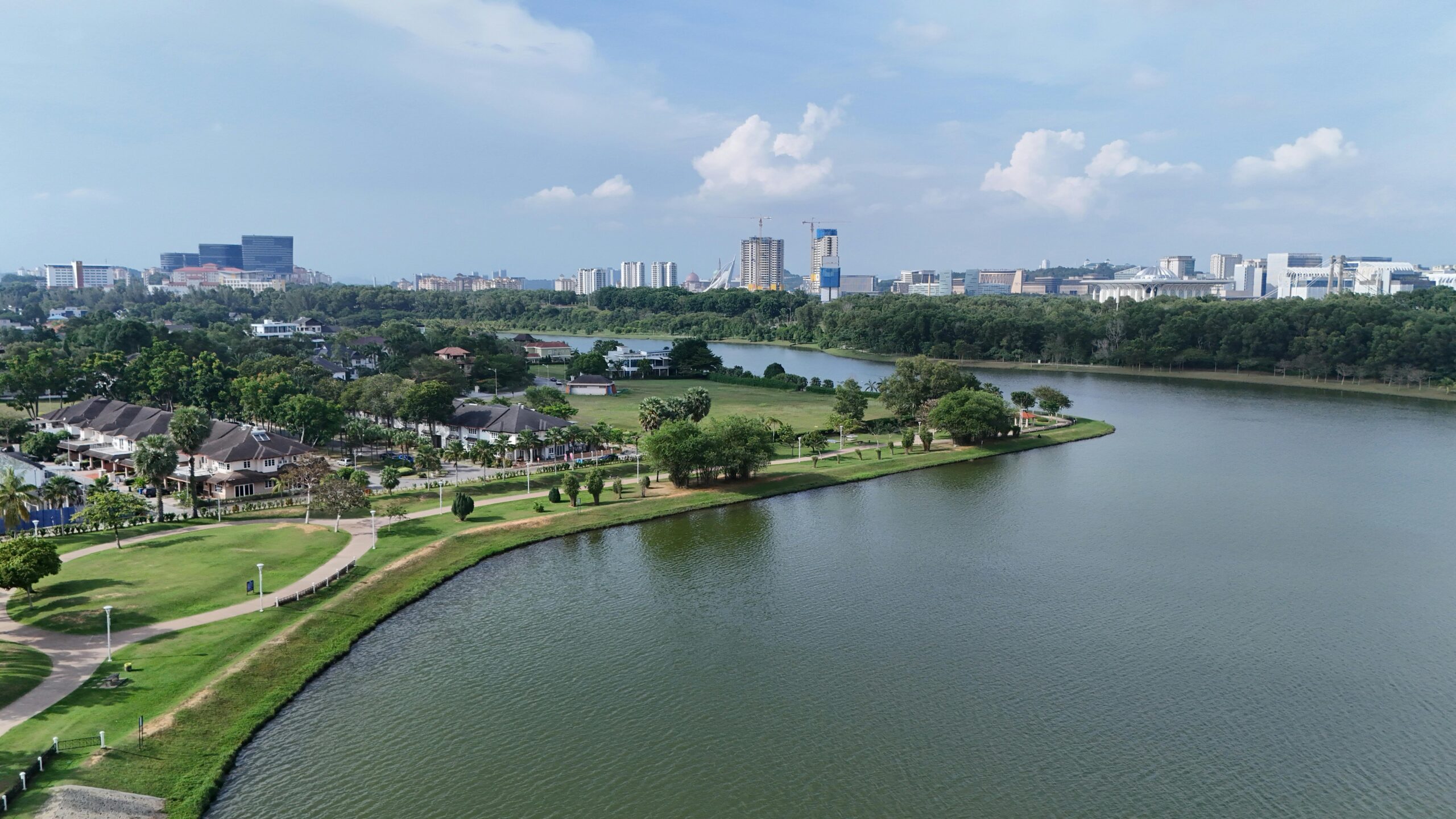
🎯 Transforming Vision Into Reality
Predictive urban planning offers unprecedented opportunities to create cities that are smarter, more sustainable, and more equitable. Success requires more than technology adoption—it demands visionary leadership, collaborative governance, inclusive engagement, and unwavering commitment to public good. Cities implementing these approaches today are shaping urban futures for decades to come, creating legacies of resilience, prosperity, and livability.
The transformation journey differs for each city based on unique contexts, capacities, and priorities. Yet common principles apply universally: start with clear goals aligned with community values, build incrementally while maintaining long-term vision, engage diverse stakeholders throughout the process, measure progress rigorously, and adapt strategies based on evidence and experience.
As urban populations continue growing and challenges intensify, the imperative for predictive approaches becomes increasingly urgent. Cities embracing these tools and methods today position themselves for success in an uncertain future, ensuring they remain vibrant, functional, and desirable places for generations ahead. The power to shape tomorrow’s cities exists today—the question is whether urban leaders will seize this opportunity to create the sustainable, intelligent communities our world desperately needs.