
The global energy landscape is undergoing a profound transformation, shifting from centralized fossil fuel systems to decentralized renewable energy networks. This revolution empowers communities to generate, store, and trade clean energy locally, creating resilient and sustainable energy ecosystems.

As climate change accelerates and energy costs rise, communities worldwide are seeking alternatives to traditional utility models. Decentralized energy systems combined with peer-to-peer trading platforms offer a promising solution that democratizes energy access, reduces carbon emissions, and strengthens local economies. This paradigm shift represents not just technological innovation but a fundamental reimagining of how societies produce and consume energy.
🌍 Understanding Decentralized Energy Systems
Decentralized energy refers to electricity generation and storage that occurs close to the point of consumption, rather than at large, distant power plants. These systems typically incorporate renewable energy sources such as solar panels, wind turbines, small-scale hydroelectric facilities, and battery storage solutions installed at homes, businesses, or community facilities.
Unlike conventional centralized grids where power flows in one direction from utility companies to consumers, decentralized systems create multi-directional energy flows. Prosumers—individuals who both produce and consume energy—can generate surplus electricity during peak production times and either store it for later use or share it with neighbors through local microgrids.
This distributed approach offers numerous advantages including reduced transmission losses, enhanced grid resilience against natural disasters or cyberattacks, lower infrastructure costs, and accelerated renewable energy adoption. Communities gain energy independence while contributing to global climate goals.
⚡ The Rise of Peer-to-Peer Energy Trading
Peer-to-peer (P2P) energy trading platforms leverage blockchain technology and smart contracts to enable direct energy transactions between community members without intermediaries. These digital marketplaces allow prosumers to sell excess renewable energy directly to their neighbors at competitive prices, creating localized energy economies.
The technology works by automatically recording energy generation, consumption, and transactions on distributed ledgers. Smart meters measure real-time energy flows, while algorithms match sellers with buyers based on preferences such as price, energy source, or geographic proximity. Payments are processed automatically through digital currencies or traditional banking systems integrated with the platform.
This innovation removes the monopolistic control utilities have traditionally held over energy distribution. Communities can establish their own pricing structures, prioritize local renewable energy sources, and keep financial value circulating within their neighborhoods rather than flowing to distant corporations.
Key Benefits of P2P Energy Trading
- Economic empowerment: Households can monetize their renewable energy investments and reduce electricity bills significantly
- Price transparency: Direct trading eliminates hidden fees and markups common in traditional utility billing
- Energy democracy: Communities gain control over their energy choices and support local clean energy producers
- Grid optimization: Local energy matching reduces strain on transmission infrastructure during peak demand
- Renewable energy incentives: Direct market access makes solar panel and battery storage investments more financially attractive
- Environmental benefits: Increased renewable energy adoption accelerates carbon emission reductions
🏘️ Community-Scale Implementation Models
Several models have emerged for implementing decentralized energy systems with P2P trading capabilities at the community level. Each approach addresses different community characteristics, regulatory environments, and energy goals.
Community Solar Gardens
These shared solar installations allow multiple households to benefit from a single solar array, ideal for renters or those with unsuitable roofs. Participants purchase or lease portions of the system and receive credits for their share of production, which can be traded within the community network.
Neighborhood Microgrids
Microgrids are localized energy networks that can operate independently from the main grid. They combine multiple renewable generation sources, battery storage, and intelligent energy management systems. During normal operations, they trade energy internally and with the main grid; during outages, they provide uninterrupted power to community members.
Apartment Building Energy Cooperatives
Multi-family residential buildings install rooftop solar arrays and shared battery systems, then distribute energy among residents through internal P2P trading platforms. This model makes renewable energy accessible to urban populations who typically lack individual installation options.
Rural Energy Collectives
In areas with unreliable or non-existent grid connections, communities develop standalone renewable energy systems with sophisticated trading mechanisms. These often combine solar, wind, and biogas generation with local energy markets that operate entirely independently from traditional utilities.
💻 Technology Enabling the Transition
The convergence of several technological advances has made community-scale decentralized energy with P2P trading feasible and economically viable. Understanding these components helps communities evaluate implementation options.
Blockchain and Smart Contracts
Blockchain provides the transparent, tamper-proof transaction ledger essential for trustless P2P energy trading. Smart contracts automatically execute trades when predetermined conditions are met, eliminating the need for intermediaries and reducing transaction costs to negligible levels.
Advanced Metering Infrastructure
Smart meters with bidirectional communication capabilities measure energy flows in real-time with high precision. They relay data to trading platforms and grid operators, enabling dynamic pricing, instant settlement, and accurate accounting of complex multi-party transactions.
Energy Management Systems
Intelligent software platforms optimize energy consumption, storage, and trading decisions based on weather forecasts, electricity prices, user preferences, and grid conditions. These systems can automatically buy low, sell high, and maintain desired battery reserve levels without manual intervention.
Internet of Things Integration
Connected appliances, electric vehicle chargers, heat pumps, and other devices can respond to price signals and grid conditions, shifting consumption to times when renewable energy is abundant and prices are low. This demand flexibility enhances system efficiency and economics.
📊 Economic and Environmental Impact
Communities implementing decentralized energy systems with P2P trading report substantial benefits across multiple dimensions. Quantifying these impacts demonstrates the value proposition for potential adopters.
| Impact Category | Typical Results | Timeframe |
|---|---|---|
| Electricity cost reduction | 20-40% savings | Immediate to 2 years |
| Renewable energy share | 60-90% local generation | 3-5 years |
| Carbon emissions reduction | 50-80% decrease | 3-5 years |
| Grid resilience improvement | Outage duration reduced by 70-95% | Immediate |
| Local economic retention | $100-500k annually per 1000 households | Ongoing |
| Property value increase | 3-8% premium | 2-3 years |
Beyond these quantifiable metrics, communities experience intangible benefits including stronger social cohesion, increased environmental awareness, enhanced energy literacy, and pride in collective climate action. These social dividends often prove as valuable as the financial returns.
🚧 Overcoming Implementation Barriers
Despite compelling advantages, communities face several challenges when establishing decentralized energy systems with P2P trading capabilities. Addressing these obstacles requires coordinated efforts from policymakers, technology providers, and community organizers.
Regulatory and Policy Challenges
Existing energy regulations were designed for centralized utility monopolies and often create barriers for P2P trading. Many jurisdictions prohibit direct energy sales between individuals, require expensive licensing for energy sellers, or maintain rate structures that disadvantage prosumers. Advocacy for regulatory modernization is essential, including policies that recognize energy sharing, fair net metering rules, and streamlined permitting processes.
Technical Complexity
Implementing integrated renewable generation, storage, metering, and trading systems requires specialized expertise that many communities lack. Partnerships with experienced developers, turnkey solution providers, and technical assistance programs can bridge this knowledge gap. Standardized system designs and improved user interfaces make technologies more accessible to non-experts.
Upfront Capital Requirements
While decentralized systems deliver long-term savings, initial investments for solar panels, batteries, and infrastructure can be substantial. Innovative financing mechanisms including community bonds, green banks, power purchase agreements, and energy-as-a-service models reduce financial barriers. Some programs offer zero-down installations with payments covered by immediate energy savings.
Utility Resistance
Traditional utilities often view decentralized energy and P2P trading as threats to their business models. Some actively lobby against enabling policies or impose punitive fees on prosumers. Building coalitions with progressive utilities willing to embrace new models, demonstrating mutual benefits, and mobilizing public support for energy democracy can overcome institutional resistance.
🌟 Success Stories from Around the Globe
Communities worldwide are pioneering decentralized energy systems with P2P trading, demonstrating diverse approaches adapted to local contexts. These examples provide inspiration and practical lessons for others embarking on similar journeys.
Brooklyn Microgrid, New York
One of the earliest P2P energy trading projects in the United States, the Brooklyn Microgrid enables residents to buy and sell locally-generated solar energy using blockchain technology. The initiative has grown to include hundreds of participants and has influenced policy discussions about energy democratization across New York State.
Powerpeers, Netherlands
This Dutch platform connects renewable energy producers directly with consumers who can choose their preferred suppliers based on location, energy source, or price. The system has attracted thousands of users and demonstrated that P2P energy trading can scale while maintaining grid stability and regulatory compliance.
Sonnengemeinschaft, Germany
Sonnen has created a virtual energy community where households with solar-plus-storage systems share excess energy through an intelligent network. Members achieve near-complete energy independence while providing grid services that earn additional revenue, creating a sustainable business model that benefits both participants and the broader grid.
Power Ledger, Australia
This blockchain-based platform has facilitated numerous P2P energy trading trials across Australia and internationally. Projects range from apartment buildings to entire municipalities, demonstrating the technology’s flexibility. The platform has processed millions of transactions and validated the commercial viability of decentralized energy markets.
🔮 The Future of Community Energy
As technologies mature and policies evolve, decentralized energy systems with P2P trading will become increasingly mainstream. Several trends will shape this transformation over the coming decade.
Artificial intelligence and machine learning will dramatically improve energy forecasting, trading strategies, and system optimization. Predictive algorithms will anticipate community energy needs, weather patterns, and market conditions, automatically executing complex trading strategies that maximize value for participants.
Electric vehicle integration will create mobile energy storage networks where cars serve as distributed batteries, charging when renewable energy is abundant and selling power back during scarcity. Vehicle-to-grid technology transforms transportation into an integral component of community energy systems.
Interoperability standards will enable seamless energy trading across platforms and communities, creating regional and eventually national peer-to-peer energy markets. This expanded scale will enhance liquidity, price stability, and overall system efficiency.
Policy evolution will increasingly recognize energy democracy as a public good, with governments establishing supportive frameworks, funding mechanisms, and technical assistance programs. Community energy will transition from innovative pilot projects to standard infrastructure development.
🤝 Taking Action in Your Community
Communities interested in developing decentralized energy systems with P2P trading capabilities can take concrete steps to begin their journey toward energy independence and sustainability.
Start by conducting an energy audit to understand current consumption patterns, renewable energy potential, and community interest. Engage residents through workshops, surveys, and information sessions to build awareness and identify early adopters willing to champion the initiative.
Form a planning committee representing diverse community stakeholders including residents, businesses, local government, and technical experts. This group can research options, evaluate technologies, identify funding sources, and navigate regulatory requirements.
Develop partnerships with experienced organizations including renewable energy developers, technology providers, non-profit clean energy advocates, and academic institutions. These allies provide essential expertise, resources, and credibility.
Pilot small-scale projects to demonstrate feasibility and build momentum. A few households trading solar energy or a single community building with shared renewables can validate concepts and generate enthusiasm for larger-scale implementation.
Advocate for supportive policies at local and regional levels. Engage with utility commissions, municipal governments, and state legislators to remove regulatory barriers and establish enabling frameworks for community energy and P2P trading.
🌱 Building a Sustainable Energy Legacy
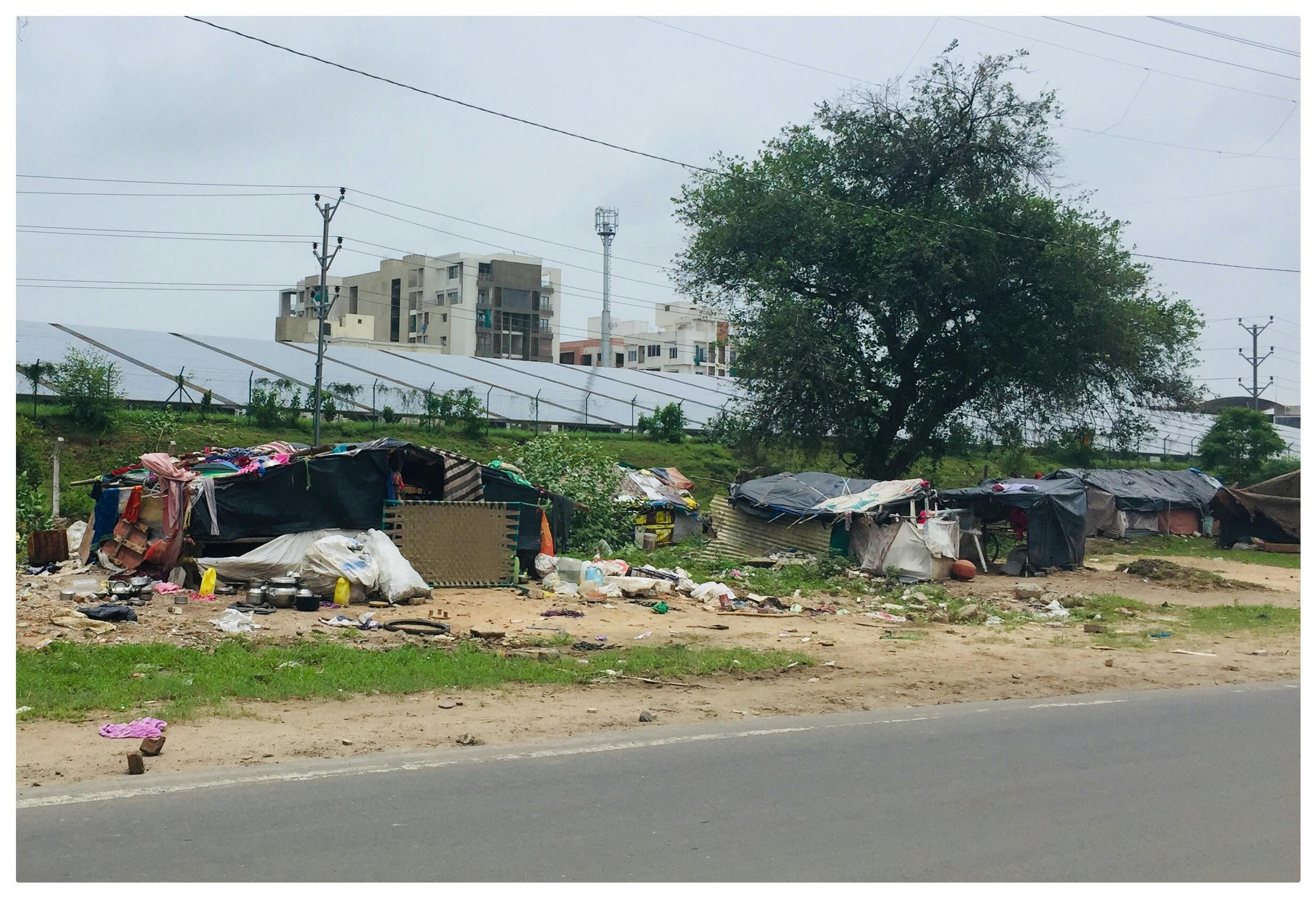
The transition to decentralized energy systems with peer-to-peer trading represents more than technological upgrade—it embodies a fundamental shift toward community empowerment, environmental stewardship, and energy justice. By taking control of energy production and distribution, communities create resilient local economies less vulnerable to external shocks from fuel price volatility, supply disruptions, or natural disasters.
This transformation democratizes access to clean energy benefits, ensuring that renewable energy advantages extend beyond affluent early adopters to include diverse populations including renters, low-income households, and historically marginalized communities. Inclusive implementation models make sustainable energy a universal right rather than a luxury good.
The environmental imperative for rapid decarbonization makes community-scale renewable energy essential. Decentralized systems enable faster deployment than large centralized projects while building public support through direct participation. Each community that achieves energy independence accelerates the global transition away from fossil fuels.
Future generations will inherit the energy systems we build today. By choosing decentralized renewable energy with peer-to-peer trading, communities create sustainable legacies that provide clean, affordable, democratically-controlled power for decades to come. This is not merely an energy transition but a pathway toward more resilient, equitable, and sustainable societies.
The tools, technologies, and knowledge required for this transformation exist today. What remains is collective will and coordinated action. Communities that embrace this opportunity position themselves at the forefront of the clean energy revolution, demonstrating that local action can drive global change. The sustainable future we envision begins with empowered communities taking control of their energy destiny, one solar panel and one peer-to-peer transaction at a time.