The energy landscape is undergoing a profound transformation, driven by the urgent need for sustainability and operational efficiency. Smart metering systems stand at the forefront of this revolution, offering unprecedented control over energy consumption patterns and costs.

Traditional energy management methods are rapidly becoming obsolete in our increasingly connected world. Businesses and households alike are discovering that intelligent monitoring solutions provide not just data, but actionable insights that translate directly into financial savings and environmental benefits. The integration of advanced metering infrastructure represents more than a technological upgrade—it’s a fundamental shift in how we interact with and understand our energy usage.
🔋 Understanding the Smart Metering Revolution
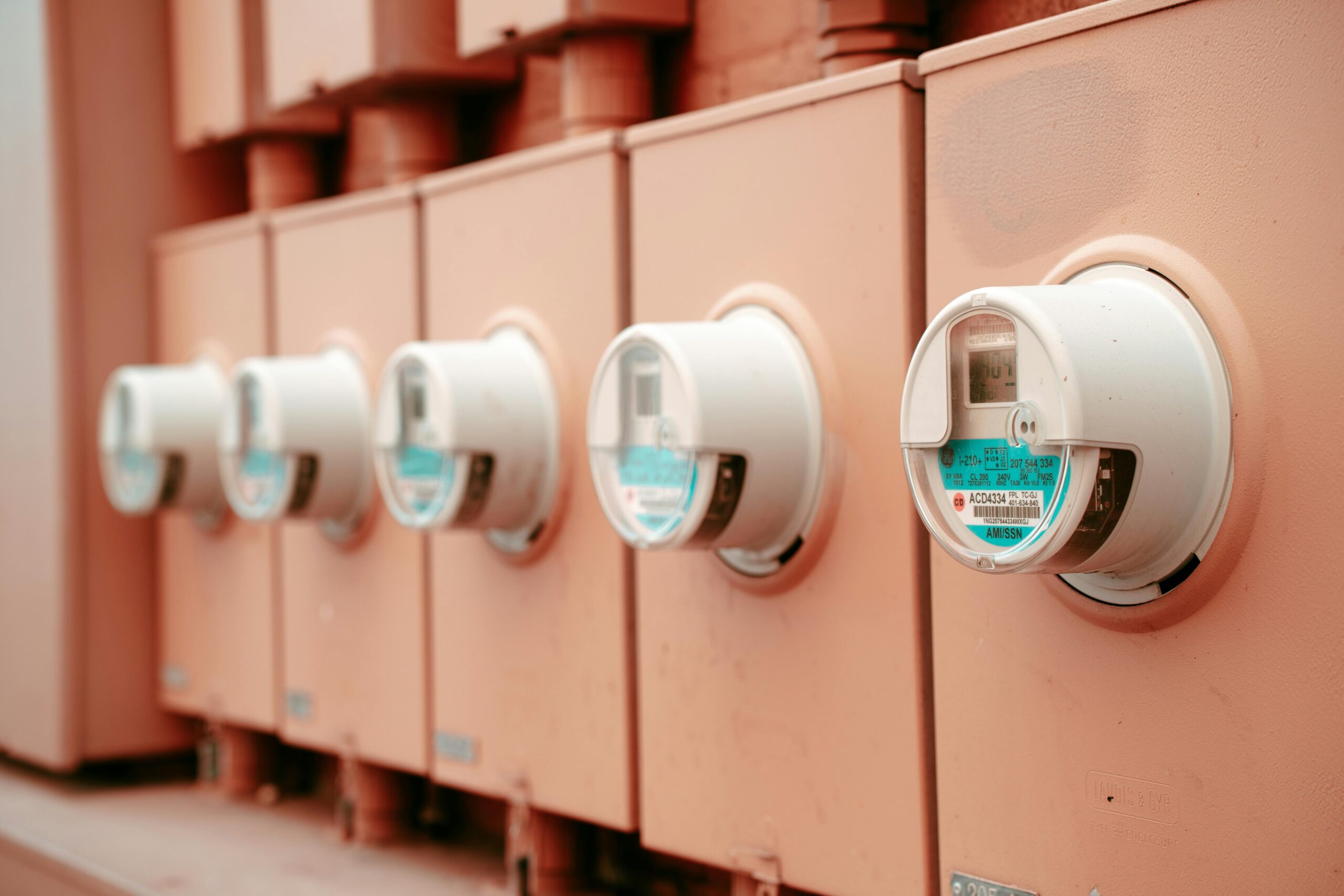
Smart metering systems represent a quantum leap from conventional analog meters that simply record total consumption. These sophisticated devices communicate bidirectionally with utility providers, transmitting real-time data about energy usage patterns, voltage levels, and power quality. The technology enables dynamic pricing models, immediate fault detection, and granular consumption analysis that was previously impossible.
The architecture of modern smart meters incorporates microprocessors, secure communication modules, and advanced sensors that monitor electricity flow with remarkable precision. Unlike traditional meters requiring manual readings, these intelligent devices automatically transmit information through various communication protocols including cellular networks, power line communication, or radio frequency mesh networks.
This continuous data stream creates a comprehensive energy profile for each consumer, revealing consumption patterns across different times of day, seasons, and operational conditions. The granularity of this information empowers both utilities and consumers to make informed decisions that optimize energy distribution and minimize waste.
💡 Precision Monitoring: The Foundation of Intelligent Energy Management
Precision in energy measurement extends far beyond simply knowing how many kilowatt-hours were consumed. Advanced smart metering systems track power factor, harmonic distortion, voltage fluctuations, and phase imbalances—parameters that significantly impact energy quality and equipment longevity. This comprehensive monitoring capability allows facility managers to identify inefficiencies that would otherwise remain hidden within aggregate consumption figures.
The temporal resolution of smart meters typically ranges from 15-minute to real-time intervals, providing unprecedented visibility into energy consumption dynamics. This granular data enables the identification of phantom loads, equipment malfunctions, and operational anomalies that contribute to unnecessary energy expenditure. For industrial facilities, this precision can reveal specific production processes or equipment that disproportionately consume energy, enabling targeted efficiency improvements.
Sub-metering and Circuit-Level Analysis
Beyond whole-facility monitoring, smart metering ecosystems increasingly incorporate sub-metering capabilities that track individual circuits, departments, or even specific equipment. This disaggregated data provides unprecedented accountability and enables cost allocation that reflects actual consumption patterns. In multi-tenant buildings, sub-metering ensures equitable billing based on actual usage rather than estimated allocations.
The implementation of circuit-level monitoring creates opportunities for predictive maintenance, as unusual consumption patterns often indicate impending equipment failure. Motors drawing excessive current, HVAC systems cycling inefficiently, or lighting circuits with degraded components all produce distinctive energy signatures that smart metering systems can detect and flag for intervention.
📊 Efficiency Gains Through Data-Driven Insights
The transformation of raw consumption data into actionable intelligence represents the true value proposition of smart metering systems. Advanced analytics platforms process the continuous data streams to identify trends, benchmarks, and optimization opportunities that would be impossible to detect through manual analysis. Machine learning algorithms can predict future consumption patterns, recommend efficiency measures, and automatically adjust systems to minimize costs.
Energy dashboards synthesize complex datasets into intuitive visualizations that make consumption patterns immediately comprehensible to non-technical stakeholders. Real-time graphs, comparative analyses, and automated alerts ensure that energy management becomes an active, ongoing process rather than a periodic review of utility bills. The visibility provided by these systems naturally encourages behavioral changes that reduce consumption without compromising comfort or productivity.
Demand Response and Load Shifting
Smart metering systems enable sophisticated demand response strategies that align consumption with grid conditions and pricing structures. Time-of-use rates incentivize shifting energy-intensive operations to off-peak periods when electricity is both cheaper and more abundant. Automated systems can respond to utility signals by temporarily reducing non-essential loads during peak demand events, generating financial incentives while supporting grid stability.
For commercial and industrial facilities, load shifting represents a significant opportunity for cost reduction without reducing overall consumption. Activities like ice production for refrigeration, water heating, battery charging, and certain manufacturing processes can often be scheduled during low-cost periods. Smart metering systems provide the data infrastructure necessary to identify these opportunities and measure the financial impact of implementation.
💰 Quantifying Savings: The Financial Case for Smart Metering
The return on investment for smart metering systems typically materializes through multiple channels. Direct savings result from identifying and eliminating waste, optimizing demand charges, and capitalizing on favorable rate structures. Indirect savings emerge from extended equipment life, reduced maintenance costs, and improved operational efficiency. Studies consistently demonstrate that comprehensive energy monitoring programs achieve consumption reductions ranging from 10% to 30%, with payback periods often under two years.
Demand charge management alone can generate substantial savings for commercial and industrial consumers. These charges, based on peak consumption during billing periods, often represent 30% to 70% of total electricity costs. Smart metering systems enable precise tracking of demand patterns and implementation of strategies to reduce peak loads through scheduling adjustments, load shedding, or energy storage integration.
Avoiding Costly Penalties and Optimizing Tariff Selection
Many utility rate structures include penalties for poor power factor, excessive demand, or off-specification consumption patterns. Smart metering systems provide the monitoring necessary to avoid these charges through power factor correction, strategic load management, or operational adjustments. Additionally, the detailed consumption profiles generated by smart meters enable accurate evaluation of alternative tariff structures, ensuring that facilities select the most economically favorable rate plan for their specific usage patterns.
The granular data from smart metering systems also facilitates participation in utility incentive programs, renewable energy credits, and emissions trading schemes. Documentation of consumption reductions, demand response participation, and efficiency improvements becomes straightforward when supported by comprehensive metering data, potentially unlocking additional revenue streams or rebates.
🌍 Environmental Impact and Sustainability Goals
Beyond financial considerations, smart metering systems serve as essential tools for achieving sustainability objectives and reducing environmental footprints. The visibility these systems provide transforms energy from an abstract utility expense into a tangible resource that can be measured, managed, and conserved. Organizations pursuing carbon neutrality, LEED certification, or other environmental standards rely on comprehensive metering data to establish baselines, track progress, and verify achievements.
The correlation between energy consumption and greenhouse gas emissions makes smart metering an indispensable component of climate action strategies. By quantifying the carbon intensity of various operations, organizations can prioritize reduction efforts where they will have the greatest environmental impact. Integration with renewable energy systems further enhances sustainability outcomes by optimizing self-consumption and minimizing grid dependence.
Renewable Integration and Grid Decarbonization
Smart metering infrastructure plays a crucial role in enabling the integration of distributed renewable energy resources. Bidirectional meters track both consumption and generation, facilitating net metering arrangements and virtual power plant participation. As grid electricity sources become increasingly renewable, smart meters can provide carbon intensity signals that enable preferential consumption during periods of clean energy abundance.
The aggregated data from smart metering networks provides utilities with unprecedented visibility into consumption patterns, enabling more accurate renewable energy integration and grid management. This systemic benefit supports the broader transition toward sustainable energy systems while individual consumers benefit from enhanced control and potential revenue from excess generation.
🔐 Security, Privacy, and Data Management Considerations
The proliferation of connected devices and detailed consumption data raises legitimate concerns about cybersecurity and privacy. Reputable smart metering systems incorporate multiple layers of security including encrypted communications, authenticated access controls, and secure data storage protocols. Industry standards and regulatory frameworks continue to evolve, establishing baseline security requirements and privacy protections for consumers.
Data ownership and access rights represent important considerations in smart metering deployments. Clear policies should establish who can access consumption data, how it may be used, and what protections exist against unauthorized disclosure. Progressive implementations provide consumers with direct access to their own data while maintaining appropriate safeguards against misuse.
🚀 Implementation Strategies for Maximum Impact
Successful smart metering implementations require thoughtful planning that extends beyond equipment installation. Stakeholder engagement ensures that the individuals responsible for energy management understand the system capabilities and receive appropriate training. Clear objectives and key performance indicators establish benchmarks for measuring success and maintaining organizational focus on efficiency improvements.
Phased rollouts often prove more manageable than comprehensive installations, particularly in large or complex facilities. Beginning with high-consumption areas or processes where quick wins are achievable builds momentum and demonstrates value. Lessons learned during initial phases inform subsequent expansions, resulting in more effective overall implementation.
Integration with Building Management and Industrial Control Systems
The value of smart metering multiplies when integrated with broader facility management platforms. Connecting energy data with HVAC controls, lighting systems, production equipment, and occupancy sensors enables automated optimization that responds dynamically to changing conditions. These integrations transform smart meters from passive monitoring devices into active components of intelligent facility management ecosystems.
Open communication protocols and standardized data formats facilitate integration across diverse systems and manufacturers. Organizations should prioritize interoperability when selecting smart metering solutions, ensuring that investments remain flexible and adaptable as technologies and requirements evolve.
🎯 Future Trends Shaping Smart Energy Management
Artificial intelligence and machine learning are increasingly enhancing smart metering capabilities, enabling predictive analytics that forecast consumption, identify anomalies, and recommend optimizations with minimal human intervention. These technologies will continue advancing, making sophisticated energy management accessible to organizations without dedicated energy specialists.
The convergence of smart metering with other Internet of Things technologies creates opportunities for comprehensive resource management that extends beyond electricity to include water, gas, steam, and compressed air. Unified platforms that monitor all utility consumption provide holistic visibility and enable identification of interdependencies and optimization opportunities across resource types.
Blockchain technology presents intriguing possibilities for peer-to-peer energy trading, transparent renewable energy certification, and decentralized grid management. While still emerging, these applications could fundamentally reshape energy markets and consumer relationships with utilities, with smart metering infrastructure providing the measurement foundation for these new paradigms.
⚡ Empowering the Energy Transition
Smart metering systems represent far more than upgraded measurement devices—they constitute essential infrastructure for the energy transition. The precision, efficiency, and savings these systems enable make sustainable energy management economically compelling while supporting broader societal goals of decarbonization and resource conservation. As technology continues advancing and deployment costs decline, smart metering will transition from competitive advantage to baseline expectation.
Organizations that embrace comprehensive energy monitoring position themselves advantageously for an increasingly resource-constrained future. The operational intelligence, cost savings, and environmental benefits delivered by smart metering systems create value that extends across financial, operational, and reputational dimensions. The question is no longer whether to implement smart metering, but how quickly organizations can deploy these systems to capture available benefits.
The pathway to a smarter energy future is illuminated by data—precise, real-time, actionable data that transforms energy from an unmanaged expense into an optimized resource. Smart metering systems provide the visibility necessary to make informed decisions, the granularity required to identify opportunities, and the accountability essential for sustained improvement. By revolutionizing how we measure, understand, and manage energy consumption, these technologies empower individuals, organizations, and societies to build more efficient, sustainable, and resilient energy systems for generations to come.