
Urban mobility is undergoing a dramatic transformation as cities worldwide embrace integrated transit hubs that promise to connect people, places, and transportation modes like never before. These revolutionary spaces are reshaping how we experience city travel.

The evolution from traditional transportation terminals to sophisticated integrated transit hubs represents more than just architectural advancement—it embodies a fundamental shift in urban planning philosophy. As metropolitan populations swell and environmental concerns intensify, the need for seamless, efficient, and sustainable transportation solutions has become paramount. Integrated transit hubs stand at the intersection of technology, design, and urban strategy, offering a glimpse into the future of how cities will move their inhabitants.
🚇 The Rise of Multi-Modal Transportation Centers
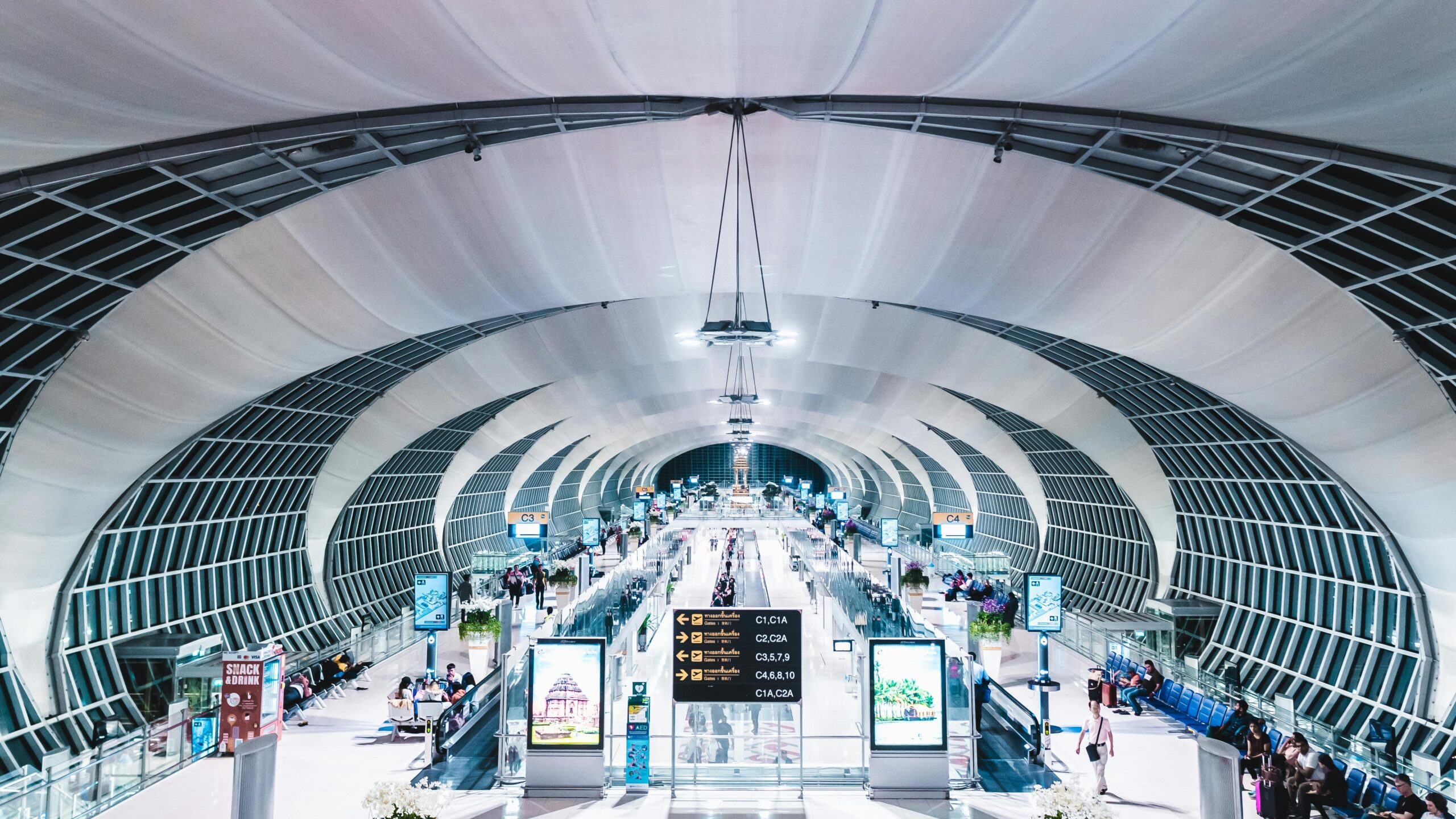
Gone are the days when train stations, bus terminals, and metro stops existed as isolated entities scattered throughout the urban landscape. Modern integrated transit hubs consolidate multiple transportation modes under one roof, creating centralized nodes that streamline the journey from point A to point B. These facilities typically combine rail services, bus rapid transit systems, bicycle sharing stations, ride-hailing pickup zones, and pedestrian pathways into cohesive architectural ecosystems.
Cities like Singapore, Tokyo, and Amsterdam have pioneered this approach, demonstrating how thoughtful integration reduces transfer times, minimizes confusion for travelers, and significantly improves overall transportation efficiency. The Changi Airport in Singapore, for instance, doesn’t just serve air travelers—it’s a comprehensive hub connecting metro lines, buses, and even future hyperloop possibilities, all while providing retail, dining, and entertainment options that transform waiting time into productive or enjoyable experiences.
Breaking Down Transportation Silos
Traditional urban planning often treated different transportation modes as separate concerns, managed by different agencies with minimal coordination. This fragmented approach resulted in inefficient transfers, duplicated infrastructure, and frustrated commuters navigating disconnected systems. Integrated transit hubs dismantle these silos by bringing stakeholders together from the planning phase through operation.
The benefits extend beyond convenience. When commuters can seamlessly transition from train to bus to bicycle without leaving a secure, weather-protected environment, public transportation becomes genuinely competitive with private vehicles. This shift is crucial for reducing urban congestion, lowering carbon emissions, and improving air quality in densely populated areas.
🔗 Technology as the Connectivity Backbone
Physical infrastructure alone cannot deliver true seamless connectivity. The digital layer powering integrated transit hubs is equally critical. Advanced technologies enable real-time information sharing, predictive analytics, and personalized journey planning that make multi-modal travel intuitive rather than intimidating.
Smart transit hubs deploy Internet of Things (IoT) sensors throughout their facilities to monitor everything from crowd density and air quality to equipment performance and security threats. This data feeds into centralized management systems that can dynamically adjust services—rerouting buses during peak hours, opening additional ticketing counters when queues build, or alerting maintenance teams to potential issues before they cause disruptions.
Mobile Applications Revolutionizing the Traveler Experience
Smartphone applications have become indispensable companions for navigating integrated transit networks. These platforms aggregate information from multiple transportation providers, allowing users to plan complex journeys involving several modes with just a few taps. Features like real-time arrival predictions, delay notifications, and alternative route suggestions transform unpredictability into manageable planning.
Leading transit apps offer contactless payment integration, eliminating the need for separate tickets for each transportation mode. Users can board a train, transfer to a bus, and rent a shared bicycle—all charged automatically to a single account. This frictionless payment experience removes one of the traditional barriers to multi-modal transportation adoption.
Many metropolitan areas have developed their own comprehensive transit applications to serve as digital gateways to their integrated hub networks. These tools provide navigation assistance within large transit facilities, helping travelers find the correct platform, gate, or transfer point through augmented reality wayfinding or step-by-step directions.
♿ Designing for Universal Accessibility
Truly revolutionary transit hubs prioritize accessibility for all users, regardless of physical ability, age, or familiarity with the system. Universal design principles ensure that facilities accommodate wheelchair users, those with visual or hearing impairments, parents with strollers, and elderly travelers without creating separate, stigmatizing pathways.
Tactile paving guides visually impaired travelers through complex spaces, while audio announcements and visual displays provide redundant information in multiple formats. Elevators and ramps replace stairs wherever possible, and when vertical circulation is necessary, capacious lifts with intuitive controls ensure no one is excluded from accessing services.
Cultural and Linguistic Inclusivity
Global cities attract international travelers and diverse resident populations. Modern integrated transit hubs reflect this reality through multilingual signage, culturally sensitive design elements, and staff trained in cross-cultural communication. Digital kiosks and mobile applications typically offer information in numerous languages, while pictographic wayfinding systems transcend language barriers entirely.
🌱 Sustainability at the Core
Environmental considerations drive much of the innovation in integrated transit hub development. These facilities represent tangible commitments to reducing urban carbon footprints by making public transportation more attractive than private vehicle use. The construction materials, energy systems, and operational practices all reflect sustainability priorities.
Many contemporary hubs incorporate green building certifications like LEED or BREEAM standards, featuring solar panels, rainwater harvesting systems, natural ventilation, and energy-efficient lighting. Green roofs and vertical gardens not only improve aesthetics but also contribute to urban heat island mitigation and air quality improvement.
Promoting Active Transportation Modes
Integrated transit hubs increasingly emphasize active transportation—walking and cycling—as essential components of the mobility ecosystem. Secure bicycle parking facilities, bike repair stations, and seamless connections to dedicated cycling infrastructure encourage commuters to incorporate physical activity into their daily routines while reducing emissions.
Some facilities have taken this further by integrating bicycle sharing systems directly into their operations, offering convenient pickup and drop-off points that extend the effective reach of transit services. This “last mile” solution addresses one of public transportation’s persistent challenges: getting people efficiently from transit stops to their final destinations.
📊 Economic Impact and Urban Development
Integrated transit hubs function as powerful economic engines that catalyze development in surrounding areas. The concept of transit-oriented development (TOD) recognizes that these facilities can anchor mixed-use neighborhoods combining residential, commercial, and recreational spaces that reduce automobile dependency.
Property values typically rise in areas well-served by comprehensive transit hubs, as residents and businesses value convenient access to regional and international connections. This creates a virtuous cycle where increased land values generate tax revenue that cities can reinvest in transportation infrastructure improvements.
Retail and Service Integration
Modern transit hubs have evolved beyond purely functional spaces into destinations offering retail, dining, and service options. This transformation serves dual purposes: generating revenue to support transit operations while enriching the traveler experience. From quick coffee shops for hurried commuters to full-service restaurants for those with time to spare, these amenities transform necessary waiting into opportunities.
Some facilities have pioneered innovative co-working spaces within transit hubs, recognizing that many professionals can productively use travel time or gaps between connections. These spaces offer Wi-Fi, charging stations, and comfortable seating, blurring the lines between transportation infrastructure and productive environments.
🔐 Safety and Security Considerations
As gathering points for thousands of daily travelers, integrated transit hubs require sophisticated security measures that protect users without creating oppressive atmospheres. Modern facilities balance openness and accessibility with necessary precautions through thoughtful design and technology deployment.
Comprehensive CCTV networks monitored by trained personnel provide surveillance while respecting privacy. Visible security presence deters crime while offering reassurance to travelers. Emergency response protocols coordinate multiple agencies—transit police, local law enforcement, fire services, and medical responders—ensuring rapid reaction to any incident.
Cybersecurity in Connected Systems
The digital systems powering integrated transit hubs present cybersecurity challenges that require constant vigilance. Payment systems, operational controls, and passenger information networks must be protected against hacking attempts, data breaches, and ransomware attacks that could cripple services or compromise personal information.
Leading transit authorities employ dedicated cybersecurity teams, conduct regular vulnerability assessments, and maintain incident response plans to quickly address any digital threats. As systems become increasingly interconnected, these protective measures grow ever more critical.
🌍 Global Examples Leading the Way
Examining successful integrated transit hubs worldwide provides valuable insights into effective strategies and innovative approaches. Each city adapts the concept to its unique context, creating solutions that reflect local needs, resources, and cultural values.
Berlin Hauptbahnhof represents European excellence in hub design, combining long-distance rail, regional trains, and metro services in a stunning glass-and-steel structure that has become an architectural landmark. Its multi-level design efficiently separates different traffic flows while maintaining intuitive navigation.
Hong Kong’s integration of transit with commercial development sets the global standard for TOD. Its Mass Transit Railway stations connect seamlessly to shopping centers, office towers, and residential complexes, creating urban ecosystems where many residents rarely need personal vehicles.
Emerging Markets Innovation
Cities in developing economies are leapfrogging traditional approaches by building integrated transit hubs with the latest technologies from inception. Bangalore’s metro stations in India incorporate digital payment systems, renewable energy, and smart crowd management from day one, avoiding the costly retrofitting required in older systems.
Lagos, Nigeria, is developing bus rapid transit hubs that serve as economic centers for surrounding communities, incorporating market spaces and small business opportunities that acknowledge transit infrastructure’s role in economic development beyond mere mobility.
🚀 Future Trends Shaping Next-Generation Hubs
The evolution of integrated transit hubs continues accelerating as emerging technologies and changing urban dynamics create new possibilities. Several trends will likely define the next generation of these facilities.
Autonomous vehicles will require new infrastructure considerations. Dedicated pickup and drop-off zones, charging or refueling stations, and coordination systems that communicate with self-driving fleets will become standard features. Some planners envision entirely automated shuttle systems within large hub complexes, moving passengers between terminals without human drivers.
Hyperloop and High-Speed Rail Integration
As hyperloop technology moves from concept to reality, future integrated hubs will need to accommodate these ultra-high-speed systems. The physical requirements—vacuum tubes, boarding procedures, safety systems—differ substantially from conventional rail, requiring innovative design approaches that maintain seamless connectivity with existing modes.
High-speed rail networks expanding worldwide will make integrated hubs even more critical. Cities want to capture the economic benefits of these systems by ensuring travelers can efficiently connect to local transportation upon arrival, preventing bottlenecks that undermine the speed advantages of the long-distance services.
Mobility-as-a-Service Platforms
The Mobility-as-a-Service (MaaS) concept envisions a future where individuals don’t own transportation modes but instead subscribe to comprehensive mobility services. Integrated transit hubs will serve as physical manifestations of this digital ecosystem, where seamless transitions between public transit, ride-sharing, bike-sharing, and micro-mobility options occur effortlessly.
MaaS platforms aggregate multiple transportation providers into single interfaces, handling payment, routing, and coordination automatically. As these systems mature, transit hubs will need to accommodate increasingly diverse vehicle types and service models while maintaining order and efficiency.
💡 Overcoming Implementation Challenges
Despite their obvious benefits, developing integrated transit hubs faces significant obstacles. Funding represents perhaps the most substantial barrier, as these projects require enormous capital investments that strain municipal budgets. Public-private partnerships have emerged as common financing mechanisms, though they introduce complexity regarding long-term operational control and profit-sharing.
Coordination between multiple government agencies and private operators presents persistent challenges. Different entities often have competing priorities, incompatible systems, and established bureaucratic processes resistant to change. Successful projects typically require strong political leadership willing to override institutional inertia and mandate cooperation.
Balancing Density with Livability
While transit-oriented development promises sustainability benefits, concentrating population and activity around hubs can create livability challenges if not carefully managed. Overcrowding, noise pollution, and loss of neighborhood character concern residents in areas targeted for hub development.
Thoughtful planning addresses these concerns through appropriate density gradation, preservation of green spaces, community engagement in development decisions, and design standards that ensure new construction respects existing architectural character. When done well, TOD enhances rather than diminishes neighborhood quality of life.
🎯 The Path Forward
Revolutionizing urban travel through integrated transit hubs represents one of the most promising strategies for creating sustainable, livable cities in an increasingly urbanized world. These facilities demonstrate that convenience and environmental responsibility aren’t contradictory goals but complementary objectives achievable through intelligent design and technology application.
Success requires viewing transit hubs not as isolated infrastructure projects but as central elements of comprehensive urban strategies. They must connect to broader initiatives around housing, employment, environmental protection, and social equity. When integrated into holistic city visions, these hubs become powerful tools for shaping more efficient, equitable, and enjoyable urban environments.
The journey toward seamless connectivity continues evolving as technologies advance, urban populations grow, and climate imperatives intensify. Cities investing in integrated transit hubs today are laying foundations for decades of improved mobility, positioning themselves as leaders in the sustainable urban future that global circumstances increasingly demand.
Every new hub constructed, every system integrated, and every seamless transfer enabled moves us closer to urban environments where transportation enhances rather than constrains daily life. The revolution in urban travel is underway, and integrated transit hubs are leading the transformation, one connection at a time.