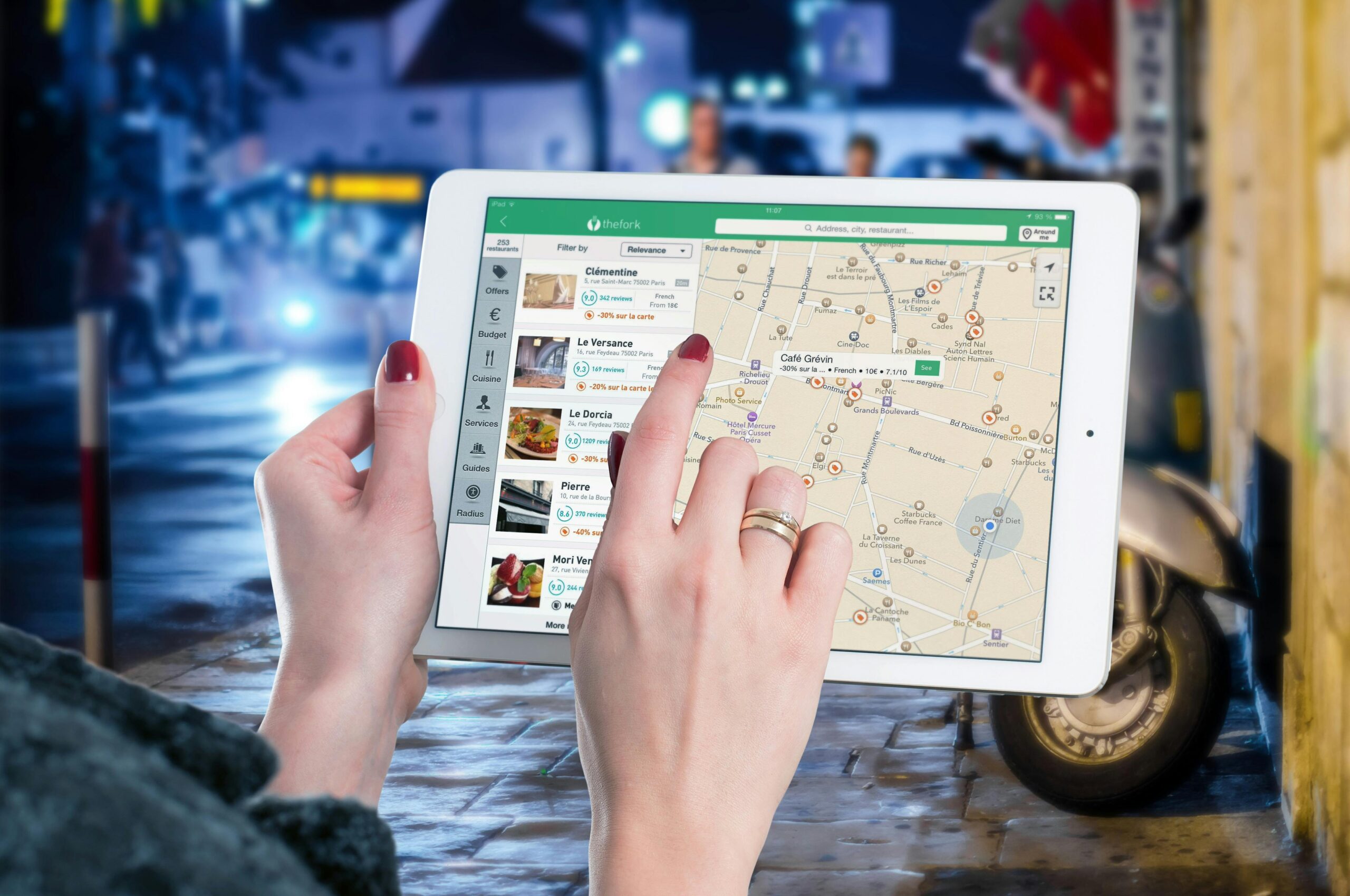
Urban parking has evolved from a daily frustration into an opportunity for technological innovation. Smart parking systems are transforming how drivers locate, reserve, and pay for parking spaces in crowded cities worldwide.

The struggle to find available parking spots costs drivers billions of hours annually and contributes significantly to traffic congestion and environmental pollution. Modern smart parking solutions leverage cutting-edge technology to eliminate these challenges, creating seamless experiences that benefit drivers, city planners, and the environment alike. As urban populations continue to grow and vehicle ownership increases, the demand for intelligent parking infrastructure has never been more critical.
🚗 Understanding Smart Parking Technology
Smart parking systems represent a convergence of Internet of Things (IoT) sensors, artificial intelligence, mobile applications, and cloud computing. These integrated platforms provide real-time information about parking availability, enabling drivers to make informed decisions before arriving at their destination.
The technology operates through various detection methods, including ground sensors embedded in parking spaces, camera-based systems with license plate recognition, and ultrasonic sensors mounted above parking spots. These devices continuously monitor occupancy status and transmit data to centralized management systems that process information and distribute it to users through mobile applications and digital signage.
Machine learning algorithms analyze historical parking patterns, predict future availability, and optimize pricing structures based on demand. This dynamic approach ensures efficient space utilization while providing drivers with accurate, up-to-date information that reduces search time and frustration.
The Economic Impact of Inefficient Parking
Traditional parking methods impose substantial economic costs on individuals, businesses, and municipalities. Research indicates that drivers in major cities spend an average of 17 hours per year searching for parking, resulting in wasted fuel, increased emissions, and lost productivity.
The financial burden extends beyond personal inconvenience. Businesses lose potential customers who cannot find convenient parking, while cities struggle with traffic congestion caused by drivers circling blocks in search of available spaces. Commercial delivery services face delays that cascade through supply chains, affecting multiple stakeholders.
Smart parking systems address these economic inefficiencies by reducing search times by up to 70%, decreasing fuel consumption, and improving traffic flow. The return on investment for municipalities implementing these solutions often materializes within two to three years through increased parking revenue, reduced enforcement costs, and improved urban mobility.
🌱 Environmental Benefits of Smart Parking Solutions
The environmental advantages of intelligent parking systems extend far beyond simple convenience. Vehicles searching for parking contribute disproportionately to urban air pollution, producing unnecessary carbon emissions that smart technology can dramatically reduce.
Studies demonstrate that up to 30% of traffic congestion in urban centers results from drivers seeking parking spaces. By directing motorists to available spots efficiently, smart parking systems minimize unnecessary driving, reducing greenhouse gas emissions and improving air quality in densely populated areas.
Electric vehicle integration represents another environmental dimension of smart parking. Modern systems increasingly incorporate EV charging stations with reservation capabilities, supporting the transition to cleaner transportation options. Real-time information about charging station availability removes a significant barrier to electric vehicle adoption, accelerating the shift toward sustainable mobility.
Key Features of Modern Smart Parking Applications
Contemporary smart parking platforms offer comprehensive feature sets designed to enhance user experience and operational efficiency. These functionalities transform the entire parking journey from planning to payment.
Real-Time Availability Mapping
Interactive maps display available parking spaces in real-time, allowing drivers to identify open spots before beginning their journey. Color-coded indicators show occupancy levels across different facilities, helping users make strategic decisions about where to park based on their specific needs and preferences.
Reservation and Pre-Booking Systems
Advanced platforms enable users to reserve parking spaces in advance, guaranteeing availability upon arrival. This feature proves particularly valuable for airport parking, event venues, and high-demand urban locations where parking scarcity creates significant stress and uncertainty.
Contactless Payment Integration
Digital payment systems eliminate the need for cash transactions and physical tickets. Users can pay through mobile applications, with automated billing that starts when they park and ends when they leave. This seamless payment experience reduces friction and improves convenience for all stakeholders.
Navigation and Guidance
Turn-by-turn directions guide drivers directly to available parking spaces, with in-facility navigation helping users locate their reserved spots in multi-level parking structures. Some systems even remember parking locations, helping drivers find their vehicles in large facilities.
📱 Popular Smart Parking Applications Transforming Urban Mobility
Several applications have emerged as leaders in the smart parking ecosystem, each offering unique features tailored to different user needs and geographic markets.
ParkWhiz provides comprehensive parking solutions across North America, offering reservations at airports, stadiums, and urban centers. The platform aggregates inventory from thousands of parking facilities, giving users extensive options and competitive pricing.
SpotHero operates similarly, focusing on major metropolitan areas with dense parking networks. The application emphasizes user reviews and detailed facility information, helping drivers make informed decisions based on security features, covered parking availability, and proximity to destinations.
ParkMobile has established itself as a leader in on-street parking management, partnering with municipalities to digitize metered parking. Users can extend parking sessions remotely without returning to their vehicles, avoiding tickets and enhancing convenience.
Implementation Challenges and Solutions
Despite the clear benefits, implementing smart parking systems presents technical, financial, and organizational challenges that municipalities and parking operators must address strategically.
Infrastructure Investment Requirements
The initial capital expenditure for sensors, communication networks, and software platforms can be substantial. Cities must balance these upfront costs against long-term benefits, often requiring innovative financing models such as public-private partnerships or phased rollout strategies that demonstrate value before full-scale deployment.
Technology Integration Complexity
Legacy parking systems, diverse technology standards, and fragmented ownership create integration challenges. Successful implementations require interoperable platforms that can communicate across different systems and vendors, ensuring seamless user experiences regardless of underlying infrastructure variations.
User Adoption and Digital Literacy
Technology adoption rates vary across demographic groups, with some users preferring traditional parking methods. Education campaigns, intuitive interface design, and alternative access methods ensure that smart parking benefits reach all community members, not just early technology adopters.
🏙️ Smart Parking in the Context of Smart Cities
Smart parking systems function as critical components within broader smart city ecosystems, contributing data and insights that inform urban planning and transportation management strategies.
Integration with public transportation systems creates multimodal mobility solutions that encourage drivers to park at peripheral locations and complete journeys using trains, buses, or shared micromobility options. This integration reduces downtown congestion while maintaining accessibility and convenience.
Traffic management systems benefit from parking data that reveals patterns in urban movement and congestion. City planners use these insights to optimize traffic signal timing, identify infrastructure improvement priorities, and design policies that promote sustainable transportation behaviors.
Emergency response coordination improves when parking systems can reserve spaces or clear areas for first responders. Some advanced platforms include emergency management features that facilitate rapid vehicle location and space allocation during critical situations.
The Role of Artificial Intelligence and Predictive Analytics
Artificial intelligence transforms smart parking from reactive information systems into proactive management platforms that anticipate needs and optimize resources continuously.
Predictive models analyze historical data, weather patterns, event schedules, and other variables to forecast parking demand with impressive accuracy. These predictions enable dynamic pricing that balances demand across facilities, encourages off-peak usage, and maximizes revenue while maintaining accessibility.
Computer vision technology enhances parking enforcement, automatically detecting violations and generating citations without human intervention. This automation improves compliance rates while reducing labor costs and enabling enforcement personnel to focus on more complex situations requiring human judgment.
Natural language processing powers virtual assistants that answer parking questions, provide directions, and resolve payment issues through conversational interfaces. These AI-driven support systems enhance customer service while reducing operational costs associated with call centers and help desks.
🔐 Security and Privacy Considerations
Smart parking systems collect substantial amounts of personal data, including location information, payment details, and vehicle identification. Protecting this sensitive information requires robust security measures and transparent privacy policies that build user trust.
Encryption protocols safeguard data transmission between sensors, servers, and mobile applications, preventing unauthorized access and manipulation. Regular security audits identify vulnerabilities before malicious actors can exploit them, maintaining system integrity and user confidence.
Privacy-preserving technologies such as data anonymization and aggregation enable valuable analytics without compromising individual privacy. Users should have clear control over data sharing preferences, with options to limit collection to essential operational requirements.
Regulatory compliance frameworks like GDPR and CCPA establish standards for data handling that smart parking operators must follow. Transparent privacy policies explain what data is collected, how it’s used, and with whom it’s shared, giving users informed consent opportunities.
Future Innovations Shaping Next-Generation Parking
Emerging technologies promise to further revolutionize parking experiences, creating possibilities that seemed like science fiction only years ago.
Autonomous Vehicle Integration
Self-driving vehicles will communicate directly with parking systems, automatically locating and navigating to available spaces without human intervention. Vehicles could drop passengers at destinations before parking themselves in remote locations, dramatically changing urban space utilization patterns.
Automated Valet Parking Systems
Robotic parking systems maximize space efficiency by stacking vehicles in compact configurations impossible with human drivers. These automated facilities can accommodate up to 60% more vehicles in the same footprint, offering solutions for space-constrained urban environments.
Blockchain-Based Parking Marketplaces
Decentralized platforms enable peer-to-peer parking space sharing, allowing property owners to monetize unused spaces while providing additional inventory to drivers. Smart contracts automate transactions and enforce agreements without intermediaries, reducing costs and increasing efficiency.
Augmented Reality Navigation
AR applications overlay directional information onto real-world views through smartphone cameras or vehicle windshields, guiding drivers to available spaces with intuitive visual cues that eliminate confusion in complex parking structures.
💡 Maximizing Benefits: Best Practices for Users
Drivers can optimize their smart parking experience by adopting strategic approaches that leverage platform capabilities fully.
Download multiple applications to access the widest selection of parking options and compare prices across providers. Different platforms often have exclusive relationships with particular facilities, so maintaining accounts on several services ensures maximum choice and flexibility.
Enable notifications to receive alerts about parking sessions nearing expiration, allowing remote extensions that prevent tickets. Push notifications can also inform users about special offers, price reductions during off-peak periods, and new facilities added to platform networks.
Review facility details carefully before booking, considering factors beyond price such as security features, covered parking, EV charging availability, and distance to final destinations. User reviews provide valuable insights into facility quality and service reliability.
Plan ahead whenever possible by reserving spaces in advance, particularly for high-demand situations like airport parking, sporting events, or downtown locations during peak hours. Pre-booking eliminates stress and often secures better rates than on-demand parking.

Transforming Urban Life Through Intelligent Parking
Smart parking systems represent far more than technological novelty—they constitute essential infrastructure for livable, sustainable, and economically vibrant cities. By eliminating the frustration and inefficiency of traditional parking, these solutions improve quality of life for millions of urban residents and visitors.
The benefits extend across multiple dimensions: environmental improvements through reduced emissions, economic gains from increased productivity and commerce, and social advantages from decreased stress and improved accessibility. As technology continues advancing and adoption spreads, these benefits will compound, creating increasingly intelligent urban environments.
Success requires collaboration among technology providers, parking operators, municipalities, and users. Standards development, interoperability commitments, and user-centered design principles ensure that smart parking systems deliver value to all stakeholders rather than creating new forms of exclusion or complexity.
The parking transformation currently underway reflects broader shifts toward data-driven urban management, sustainable transportation, and human-centered technology design. Cities embracing these innovations position themselves for competitive advantage in attracting residents, businesses, and visitors who increasingly expect seamless digital experiences in all aspects of urban life.
For individual drivers, adopting smart parking technology offers immediate benefits: saved time, reduced stress, lower costs, and enhanced convenience. As these systems become ubiquitous, the question shifts from whether to use smart parking solutions to which platforms best serve specific needs and preferences in an increasingly diverse and sophisticated marketplace.