The transportation sector stands at a critical crossroads, facing mounting pressure to reduce emissions while meeting growing mobility demands. Green mobility corridors emerge as transformative solutions that blend innovation, sustainability, and smart infrastructure to reshape how we move through our cities and regions.

As urban populations continue to expand and climate concerns intensify, traditional transportation models prove increasingly unsustainable. The concept of green mobility corridors represents more than just installing charging stations or painting bike lanes—it embodies a comprehensive reimagining of transportation networks that prioritize environmental stewardship, efficiency, and accessibility. These corridors integrate multiple sustainable transportation modes, creating seamless pathways that reduce carbon footprints while enhancing the quality of urban life.
🌱 Understanding Green Mobility Corridors: Beyond Traditional Infrastructure
Green mobility corridors represent dedicated routes or networks designed to facilitate sustainable transportation options through integrated planning and technological innovation. Unlike conventional transportation systems that prioritize single-vehicle usage, these corridors create ecosystems where electric vehicles, public transit, cycling infrastructure, and pedestrian pathways coexist harmoniously.
The fundamental principle underlying green mobility corridors involves creating continuous, connected networks that make sustainable transportation choices not just possible but preferable. These corridors typically feature priority lanes for electric buses, protected cycling tracks, wide pedestrian paths, and abundant charging infrastructure for electric vehicles. The design philosophy emphasizes reducing friction points that traditionally discourage people from choosing sustainable alternatives over private car ownership.
Modern green mobility corridors incorporate smart technology to optimize traffic flow, provide real-time information to travelers, and adapt dynamically to changing conditions. Sensors monitor air quality, traffic density, and energy consumption, feeding data into centralized systems that help city planners make informed decisions about infrastructure improvements and policy adjustments.
The Environmental Imperative Driving Transformation
Transportation accounts for approximately 24% of global carbon dioxide emissions from fuel combustion, making it one of the largest contributors to climate change. Within urban areas, this percentage often climbs higher as congestion and inefficient routing compound emissions. Green mobility corridors address this challenge by fundamentally changing the transportation equation.
By concentrating sustainable transportation options along specific routes, these corridors create critical mass that makes alternatives to private vehicles genuinely competitive. Studies from European cities implementing green corridor projects show emissions reductions of 30-40% along these routes within five years of implementation. The concentrated nature of infrastructure investments also delivers greater return on investment compared to dispersed interventions across entire urban areas.
Beyond carbon emissions, green mobility corridors tackle other environmental concerns including air pollution, noise pollution, and urban heat island effects. Trees and green infrastructure typically integrated into corridor design provide natural cooling, absorb pollutants, and create more livable urban spaces. The reduction in private vehicle traffic along these routes directly improves local air quality, delivering immediate health benefits to adjacent communities.
⚡ Technology Integration: The Smart Foundation of Green Corridors
Modern green mobility corridors function as testbeds for transportation innovation, incorporating cutting-edge technologies that enhance efficiency and user experience. Electric vehicle charging infrastructure forms a crucial component, with fast-charging stations positioned strategically to eliminate range anxiety and support the transition to electric mobility.
Intelligent transportation systems monitor and manage traffic flow using artificial intelligence and machine learning algorithms. These systems can adjust traffic signal timing to prioritize sustainable transportation modes, provide dynamic routing suggestions to reduce congestion, and predict maintenance needs before infrastructure failures occur. Real-time information displays keep travelers informed about transit schedules, available bike-sharing units, and parking availability.
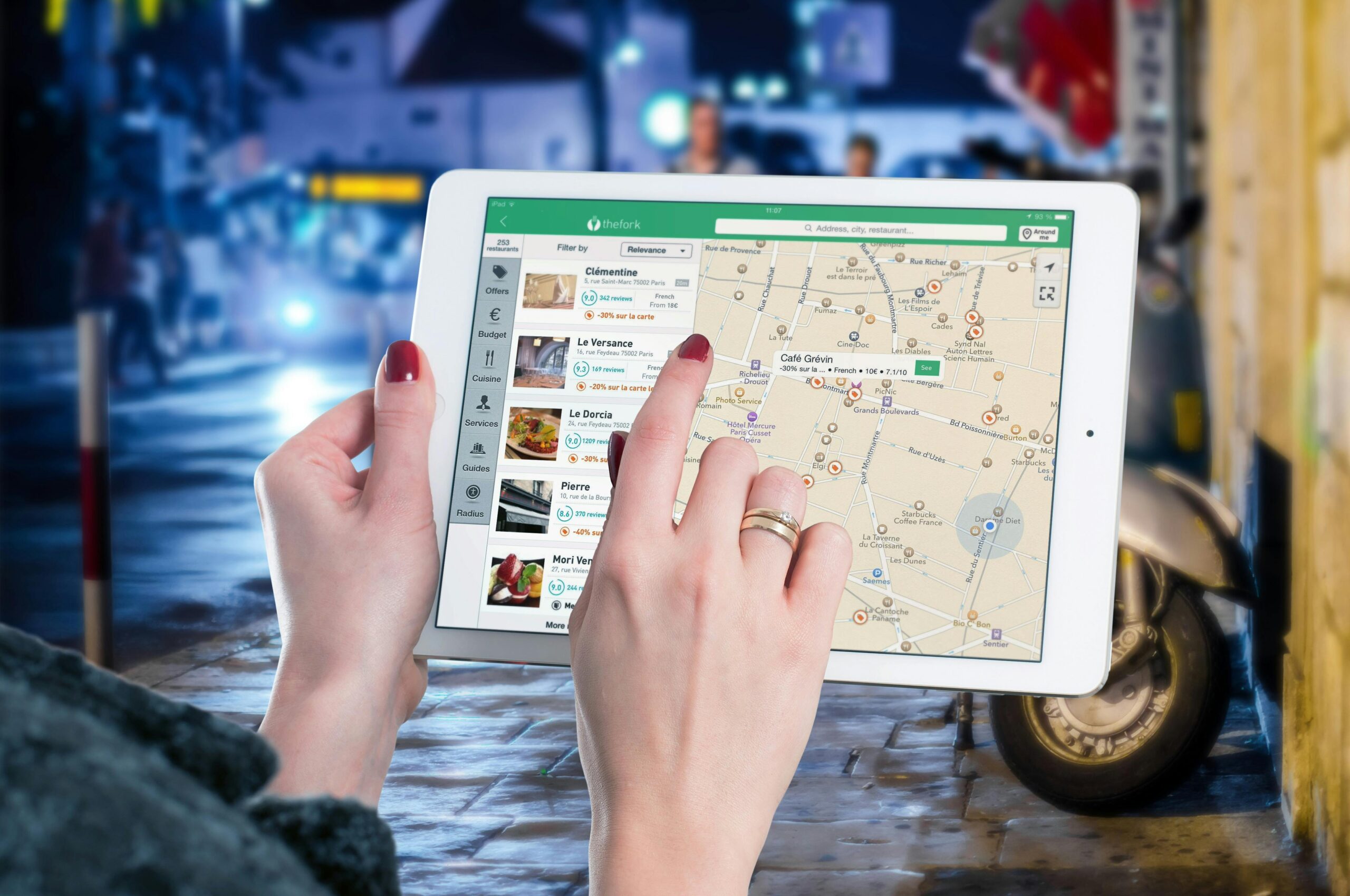
Mobile applications play an increasingly important role in green mobility corridor ecosystems, providing travelers with integrated journey planning across multiple transportation modes. These platforms help users identify the fastest, cheapest, or most sustainable route to their destination, often combining cycling, public transit, and walking segments into seamless trips. Payment integration removes another barrier, allowing users to pay for various services through single platforms rather than juggling multiple tickets and accounts.
Multimodal Integration: Creating Seamless Transportation Ecosystems
The true power of green mobility corridors lies in their ability to integrate diverse transportation modes into cohesive systems. This multimodal approach recognizes that no single solution fits every journey or every traveler. Instead, corridors provide options that individuals can mix and match based on their specific needs, weather conditions, time constraints, and personal preferences.
Key elements of successful multimodal integration include:
- Transit hubs that facilitate easy transfers between buses, trains, bikes, and pedestrian routes
- Bike-sharing stations positioned near transit stops to solve the last-mile connectivity challenge
- Dedicated lanes that protect cyclists and give priority to public transportation
- Universal wayfinding systems that help travelers navigate across different transportation modes
- Integrated ticketing that removes payment friction between different services
- Accessible design ensuring corridors serve people of all abilities
Cities implementing comprehensive multimodal corridors report dramatic shifts in transportation mode share. Copenhagen’s experience demonstrates that when cycling infrastructure reaches critical mass and connects seamlessly with transit, cycling rates can exceed 40% of all trips. Similar patterns emerge with electric buses and other sustainable options when infrastructure removes barriers to adoption.
🏙️ Urban Planning Revolution: Designing Cities Around People
Green mobility corridors fundamentally challenge automobile-centric urban design that dominated 20th-century city planning. Instead of designing cities around the movement and storage of private vehicles, corridor-based approaches prioritize human-scale spaces that encourage walking, cycling, and community interaction.
This shift manifests in reduced parking requirements along corridor routes, with reclaimed space converted to parklets, outdoor dining areas, and community gathering spaces. Streets transform from transportation conduits into vibrant public realms where commercial activity, social interaction, and movement coexist. Property values along well-designed green corridors typically increase as the improved public realm attracts residents and businesses seeking high-quality urban environments.
The corridor concept also influences broader urban development patterns. Transit-oriented development clustering residential and commercial uses near corridor stations reduces average trip distances and creates walkable neighborhoods where daily needs lie within easy reach. This development pattern proves more sustainable than car-dependent suburban sprawl while delivering superior quality of life outcomes across numerous metrics.
Economic Benefits Beyond Environmental Gains
While environmental benefits drive initial interest in green mobility corridors, economic advantages often prove equally compelling. Infrastructure investments create construction jobs in the short term and ongoing employment in operations, maintenance, and related services. Studies suggest that green infrastructure investments generate 25-40% more jobs per dollar spent compared to conventional highway construction.
Reduced congestion delivers substantial economic benefits through decreased time wasted in traffic, lower vehicle operating costs, and improved logistics efficiency. Businesses benefit from more reliable delivery times and better access to wider labor markets as transportation options expand. Health improvements resulting from reduced air pollution and increased physical activity translate to lower healthcare costs and reduced absenteeism.
Tourism often receives a boost from well-designed green corridors that make cities more attractive and easier to navigate. Visitors increasingly prioritize destinations offering sustainable transportation options, and corridors that showcase a city’s commitment to innovation and livability become attractions in themselves. Cities like Amsterdam and Copenhagen have successfully leveraged their cycling infrastructure as tourism assets generating significant economic returns.
🚀 Innovation Hotspots: Cities Leading the Green Corridor Revolution
Several cities worldwide have emerged as pioneers in implementing transformative green mobility corridors, offering valuable lessons for others embarking on similar journeys. Each approach reflects local context, priorities, and constraints while demonstrating universal principles of successful implementation.
Oslo, Norway has created extensive electric vehicle corridors with comprehensive charging infrastructure and incentives that have made electric vehicles the majority of new car sales. The city combines charging stations with bus priority lanes and expanded cycling infrastructure to offer diverse sustainable options. Air quality improvements in central Oslo have been dramatic, with particulate matter concentrations dropping by over 30% in corridor areas.
Bogotá, Colombia developed the TransMilenio bus rapid transit system alongside extensive ciclovías (cycling routes), creating green corridors that move millions of people daily. The system proves that developing cities can implement world-class sustainable transportation without the massive costs of subway construction. Weekly street closures to car traffic, opening roads exclusively to cyclists and pedestrians, have become cultural phenomena drawing millions of participants.
Barcelona, Spain has pioneered the “superblock” concept, grouping nine blocks together and restricting through traffic to perimeter roads while transforming interior streets into green corridors prioritizing pedestrians, cyclists, and community space. Early results show noise reduction of up to 60%, air pollution decreases of 25%, and increases in commercial activity within superblocks as public spaces become more inviting.
Overcoming Implementation Challenges
Despite compelling benefits, implementing green mobility corridors faces significant challenges that cities must address strategically. Political resistance often emerges from businesses fearing reduced car access will harm revenue, residents concerned about parking elimination, and general skepticism about changing established patterns.
Successful cities address these concerns through extensive community engagement, pilot projects that demonstrate benefits before permanent changes, and data-driven evaluation showing actual impacts rather than relying on assumptions. Including affected communities in planning processes from early stages builds buy-in and generates better designs reflecting local needs and preferences.
Funding represents another substantial challenge, particularly for cities with constrained budgets. Creative financing approaches help overcome this barrier, including public-private partnerships, congestion pricing that generates dedicated revenue streams, and reallocating existing transportation budgets away from highway expansion toward sustainable alternatives. Many cities discover that green corridor investments cost substantially less than conventional road construction while delivering superior returns.
Technical challenges around integrating systems from different vendors, ensuring data interoperability, and maintaining cybersecurity require careful attention. Establishing common standards and protocols from the planning stage prevents later integration headaches and allows systems to evolve as technology advances.
🌍 The Social Equity Dimension
Green mobility corridors carry significant implications for social equity and access to opportunity. Well-designed corridors can enhance mobility for underserved communities lacking reliable transportation options, connecting residents to employment, education, healthcare, and services. Affordable public transit combined with cycling infrastructure provides economical transportation alternatives for households struggling with car ownership costs.
However, corridor implementation risks exacerbating inequality if not carefully managed. Gentrification pressures can displace existing residents as improved infrastructure increases property values. Cities must implement complementary policies including affordable housing requirements, anti-displacement measures, and community benefits agreements ensuring that corridor advantages flow to current residents rather than attracting displacement.
Meaningful community participation ensures corridor design serves diverse populations including seniors, people with disabilities, parents with children, and others whose needs may differ from typical planning assumptions. Universal design principles create spaces welcoming and accessible to all rather than optimizing only for young, able-bodied cyclists and pedestrians.
Future Horizons: Emerging Technologies and Trends
Green mobility corridors continue evolving as new technologies and concepts emerge. Autonomous vehicles promise to revolutionize transportation, and corridors designed today must anticipate this transition. Dedicated autonomous vehicle lanes, advanced sensor infrastructure, and updated regulatory frameworks will help cities capture the sustainability potential of autonomous technology while avoiding pitfalls like increased vehicle miles traveled.
Electric vertical takeoff and landing aircraft (eVTOL) and urban air mobility concepts may eventually integrate with ground-based corridors, creating three-dimensional transportation networks. While widespread deployment remains years away, forward-thinking cities are considering how rooftop vertiports might connect with corridor systems below.
Artificial intelligence advances enable increasingly sophisticated transportation management optimizing entire networks rather than individual intersections. Predictive algorithms can anticipate congestion before it develops, dynamically adjust capacity allocation between modes, and personalize routing recommendations based on individual preferences and real-time conditions.
Sustainability itself continues evolving, with circular economy principles influencing infrastructure design. Materials selection increasingly emphasizes recycled content, carbon sequestration potential, and end-of-life recyclability. Solar roadways, piezoelectric generators harvesting energy from footsteps, and other innovations may enable corridors to generate rather than merely consume energy.
🎯 Making It Happen: Practical Steps Toward Implementation
Cities seeking to develop green mobility corridors benefit from systematic approaches balancing ambition with pragmatism. Starting with comprehensive assessments of existing transportation patterns, community needs, and corridor opportunities establishes foundations for strategic planning. Identifying routes with high existing demand, multiple destination attractors, and opportunities for relatively easy infrastructure improvements can deliver early wins building momentum for expansion.
Pilot projects allow cities to test concepts, gather data, and refine approaches before committing to permanent infrastructure. Temporary installations using paint, planters, and movable elements can demonstrate potential benefits while maintaining flexibility to adjust based on actual experience. These pilots also provide opportunities to address community concerns with evidence rather than speculation.
Building coalitions among diverse stakeholders increases implementation success. Business improvement districts, environmental organizations, public health advocates, and equity-focused community groups each bring different perspectives and constituencies. Identifying shared interests and collaborative opportunities creates broader support than any single constituency could generate alone.
Establishing clear metrics and monitoring systems enables evidence-based evaluation and continuous improvement. Tracking indicators including mode share, emissions, travel times, safety outcomes, economic impacts, and user satisfaction provides objective bases for assessing success and identifying areas needing adjustment.

The Path Forward: Transportation Transformation in Motion
Green mobility corridors represent more than infrastructure projects—they embody fundamental shifts in how societies approach transportation, urban design, and sustainability. As climate pressures intensify and technologies evolve, the transition from car-dependent development patterns toward integrated, sustainable mobility systems becomes not just desirable but essential.
The cities pioneering these approaches demonstrate that transformation is achievable with vision, commitment, and strategic implementation. Benefits extend far beyond emissions reductions to encompass public health improvements, economic development, enhanced quality of life, and more equitable access to opportunity. Each successful corridor implementation provides lessons and inspiration for others, gradually building global momentum toward sustainable transportation futures.
The journey toward comprehensively green transportation systems will span decades and face numerous obstacles. Yet the alternative—continuing along unsustainable trajectories—grows increasingly untenable. Green mobility corridors offer practical pathways forward, transforming abstract sustainability commitments into concrete infrastructure that changes daily reality for millions of people. As these corridors expand and connect, they create the foundations for truly sustainable cities where environmental responsibility and human flourishing advance together. 🌿