
The world is witnessing a profound shift in how people move through cities. Automation technology is revolutionizing public transportation, creating systems that are more efficient, safer, and remarkably responsive to passenger needs.

From self-driving buses navigating urban streets to AI-powered traffic management systems, the transportation landscape is undergoing its most significant transformation since the invention of the automobile. This revolution isn’t just about replacing human drivers with machines—it’s about reimagining the entire ecosystem of how we move, connect, and experience our cities. As metropolitan areas grow increasingly crowded and environmental concerns become more pressing, automated public transport offers solutions that were once confined to science fiction.
🚇 The Dawn of Intelligent Transit Systems
Modern public transportation networks are evolving into sophisticated digital ecosystems. Cities worldwide are implementing intelligent transit systems that use real-time data analytics, machine learning algorithms, and interconnected sensors to optimize every aspect of passenger movement. These systems monitor traffic patterns, predict demand fluctuations, and automatically adjust service frequency to match rider needs.
Singapore’s autonomous bus trials exemplify this transformation. The city-state has deployed self-driving buses on public roads, equipped with LiDAR sensors, cameras, and advanced navigation systems that communicate with traffic infrastructure. These vehicles can detect pedestrians, cyclists, and other vehicles with remarkable precision, making split-second decisions that prioritize safety while maintaining efficient schedules.
In Europe, cities like Helsinki and Copenhagen are integrating automation into their existing transit networks. Their approach combines automated metros, smart ticketing systems, and predictive maintenance algorithms that identify potential equipment failures before they occur. This proactive strategy reduces service disruptions and significantly lowers operational costs.
🤖 Autonomous Vehicles: Beyond the Hype
Autonomous vehicles represent the most visible face of automation in public transport. However, the technology extends far beyond just self-driving capabilities. Modern automated transit vehicles incorporate sophisticated passenger comfort systems, dynamic route optimization, and seamless integration with other transportation modes.
The technology stack powering these vehicles is impressive. Multiple redundant systems ensure safety, with artificial intelligence continuously learning from millions of miles of simulated and real-world driving data. Computer vision algorithms interpret road signs, traffic signals, and unexpected obstacles, while predictive models anticipate the behavior of other road users.
Cities like Las Vegas and Columbus have already integrated autonomous shuttles into their public transportation networks. These vehicles operate in mixed traffic conditions, demonstrating that autonomous technology can coexist safely with traditional vehicles. The shuttles connect transit hubs, tourist attractions, and residential areas, providing last-mile connectivity that was previously economically unfeasible.
Safety First: How Automation Reduces Accidents
Human error accounts for approximately 94% of traffic accidents according to transportation safety authorities. Automated systems eliminate factors like fatigue, distraction, and impaired judgment that commonly lead to collisions. Sensors never tire, algorithms don’t experience road rage, and automated vehicles maintain consistent adherence to traffic regulations.
Advanced collision avoidance systems can detect potential hazards faster than human reflexes allow. Emergency braking systems engage in milliseconds when sensors detect imminent danger. The technology creates a protective bubble around vehicles, constantly monitoring blind spots and maintaining safe distances from other traffic participants.
📱 Digital Integration and Passenger Experience
The automation revolution extends into the passenger experience through sophisticated mobile applications and digital platforms. These tools transform how riders plan journeys, purchase tickets, and interact with transportation services. Real-time tracking apps show precisely when the next bus or train will arrive, eliminating the uncertainty that once plagued public transit users.
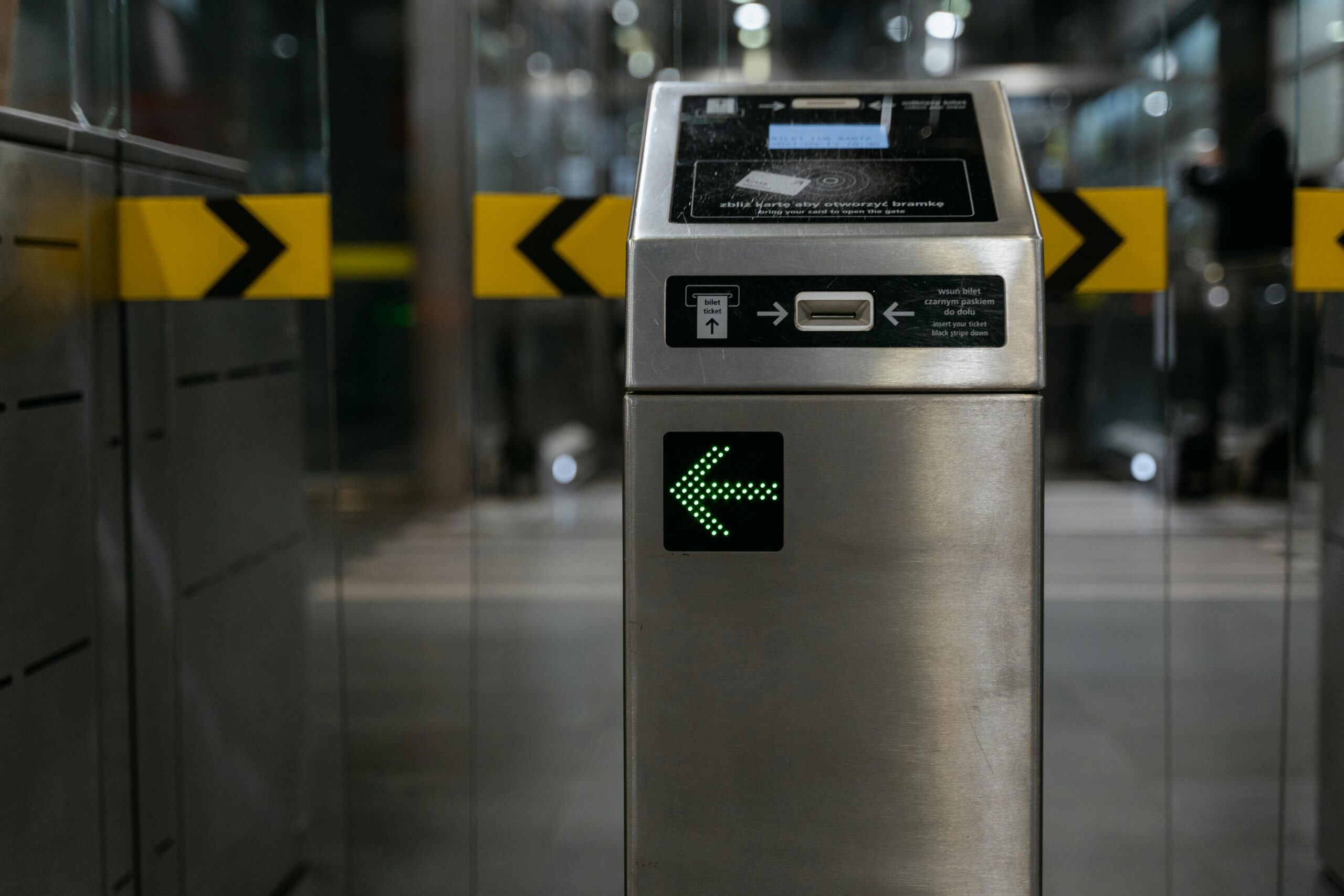
Contactless payment systems powered by automation technology have streamlined the boarding process. Passengers can use smartphones, smartwatches, or contactless cards to pay fares seamlessly. Backend systems automatically calculate optimal pricing based on distance traveled, time of day, and available promotions, ensuring fare equity and transparency.
Personalized journey planning represents another frontier in automated passenger services. Applications analyze individual travel patterns, preferences, and real-time conditions to suggest optimal routes. These systems consider factors like weather conditions, special events, accessibility requirements, and even personal preferences for walking distance or transfer frequency.
🌍 Environmental Benefits Driving Adoption
Climate change concerns are accelerating the adoption of automated public transport systems. Automation enables precise optimization of energy consumption, reducing the carbon footprint of urban mobility. Electric automated buses can optimize battery usage based on topography, traffic conditions, and passenger load, extending range and reducing charging frequency.
Fleet management systems powered by artificial intelligence ensure vehicles operate at peak efficiency. Algorithms determine optimal routes that minimize energy consumption while maximizing passenger throughput. This intelligent resource allocation reduces the number of vehicles needed to serve the same population, directly decreasing emissions and urban congestion.
The shift toward automated electric public transport creates a virtuous cycle. As more people choose efficient, convenient public transit over private vehicles, urban air quality improves dramatically. Cities like Oslo and Amsterdam have documented significant reductions in nitrogen oxide and particulate matter concentrations in areas well-served by automated transit systems.
Reducing Urban Congestion Through Smart Coordination
Automated public transport systems communicate with traffic management infrastructure to reduce congestion. Smart traffic signals prioritize buses and trams, giving them green lights to maintain schedules. This coordination reduces travel times and makes public transport more competitive with private vehicles.
Dynamic routing capabilities allow automated vehicles to avoid congested areas in real-time. When sensors detect traffic buildup, algorithms calculate alternative routes that maintain service reliability. This flexibility was impossible with fixed-route traditional systems, representing a fundamental reimagining of public transport operations.
💼 Economic Implications and Cost Efficiency
The economic case for automated public transport extends beyond obvious labor cost savings. While reducing the need for human operators represents significant savings, the broader economic benefits include improved asset utilization, predictive maintenance, and enhanced service quality that attracts more riders.
Automated systems operate longer hours without fatigue-related limitations. Late-night and early-morning services become economically viable when automation reduces operational costs. This extended availability serves shift workers, entertainment districts, and airport connections that were previously underserved due to cost constraints.
Predictive maintenance algorithms analyze sensor data to identify components approaching failure. This approach prevents costly breakdowns and extends vehicle lifespan. Maintenance can be scheduled during off-peak hours, minimizing service disruptions. The data-driven approach reduces maintenance costs by 20-30% compared to traditional time-based maintenance schedules.
Creating New Employment Opportunities
Contrary to fears about job displacement, automation in public transport is creating new employment categories. Cities need data analysts to interpret transportation patterns, cybersecurity specialists to protect automated systems, and customer experience designers to optimize passenger interactions. Technicians skilled in sensor calibration, software updates, and system integration are in high demand.
Traditional transit operators are transitioning into fleet monitoring specialists, remote operation supervisors, and customer service representatives. These roles leverage human judgment for complex situations while automation handles routine operations. The employment landscape is evolving rather than disappearing, requiring workforce development programs that prepare workers for these new opportunities.
🔒 Cybersecurity and Privacy Considerations
As public transport systems become increasingly connected and automated, cybersecurity emerges as a critical concern. Transportation authorities must protect systems from malicious actors who might attempt to disrupt services or compromise passenger safety. Multi-layered security protocols, continuous monitoring, and rapid response capabilities are essential components of modern automated transit systems.
Privacy protection represents another significant challenge. Automated systems collect vast amounts of data about passenger movements, preferences, and behaviors. Responsible implementation requires transparent data governance policies, anonymization techniques, and strict access controls. European cities implementing GDPR-compliant systems demonstrate that automation and privacy protection can coexist effectively.
Blockchain technology is emerging as a solution for secure, transparent fare collection and data management. Distributed ledger systems create immutable records of transactions while protecting individual privacy. This technology could revolutionize how transit authorities manage payments, verify credentials, and share data with partner organizations.
🚀 Emerging Technologies Shaping Tomorrow’s Transit
The automation revolution in public transport is accelerating as new technologies mature. Quantum computing promises to solve complex optimization problems that are currently intractable, enabling even more efficient routing and scheduling. Fifth-generation (5G) wireless networks provide the low-latency, high-bandwidth connectivity that autonomous vehicles require for real-time coordination.
Artificial intelligence continues evolving beyond current capabilities. Next-generation systems will understand natural language passenger inquiries, detect subtle safety threats, and adapt to changing urban environments with minimal human intervention. Machine learning models trained on global transportation data will identify best practices and automatically implement improvements across networks.
Hyperloop technology and other high-speed transit innovations may integrate with automated urban transport systems, creating seamless intercity connections. Passengers could board automated pods that connect directly to high-speed tubes, eliminating transfers and dramatically reducing travel times for regional commutes.
Integration with Smart City Infrastructure
Automated public transport doesn’t exist in isolation—it’s becoming an integral component of comprehensive smart city ecosystems. These systems coordinate transportation with energy grids, building management systems, and public services to optimize resource utilization across entire metropolitan areas.
Smart city platforms aggregate data from transportation, utilities, and municipal services to provide holistic insights. City planners can visualize how transportation changes affect energy consumption, air quality, and economic activity. This systems-level perspective enables evidence-based policy decisions that improve quality of life while managing costs.
🌟 Real-World Success Stories Inspiring Global Adoption
Dubai’s autonomous metro system operates one of the world’s longest driverless rail networks, serving millions of passengers annually with remarkable reliability. The system demonstrates that automation can scale to serve massive populations while maintaining safety standards and operational efficiency. Passenger satisfaction ratings consistently exceed those of traditionally-operated systems.
In Japan, automated train systems have operated for decades with perfect safety records. These systems combine precision engineering with continuous improvement methodologies, setting global benchmarks for reliability. Japanese operators have refined automation technology through iterative enhancements, demonstrating the long-term viability of these approaches.
Small-scale implementations are equally impressive. Rural communities in Scandinavia use automated minibuses to maintain connectivity where traditional transit services were economically unsustainable. These systems demonstrate that automation benefits aren’t limited to major metropolitan areas—they can revitalize transportation access in underserved regions.
🔮 Navigating Implementation Challenges
Despite compelling benefits, implementing automated public transport systems involves significant challenges. Regulatory frameworks designed for human-operated vehicles often don’t address autonomous systems adequately. Transportation authorities worldwide are developing new standards that balance innovation promotion with safety assurance.
Public acceptance represents another hurdle. Many people feel uncomfortable entrusting their safety to machines, especially in the aftermath of highly-publicized autonomous vehicle incidents. Building public trust requires transparent communication, graduated implementation strategies, and demonstrated safety records. Pilot programs that let communities experience automation firsthand are proving effective at overcoming skepticism.
Infrastructure adaptation requires substantial investment. Roads, stations, and communication networks designed for human-operated vehicles may need modifications to support automation fully. Cities must balance upgrading infrastructure with maintaining existing services, often implementing changes incrementally to manage costs and minimize disruptions.
🎯 The Path Forward: Collaborative Innovation
Realizing the full potential of automated public transport requires collaboration among technology companies, transit authorities, urban planners, and communities. Public-private partnerships are emerging as effective models for sharing risks and rewards while accelerating innovation. These collaborations combine private sector technological expertise with public sector understanding of community needs and regulatory requirements.
International knowledge-sharing networks help cities learn from each other’s experiences. Organizations facilitating best practice exchanges enable smaller cities to benefit from innovations pioneered in larger markets. This collaborative approach accelerates global adoption while avoiding repeated mistakes.
The automation revolution in public transport is transforming how billions of people experience urban mobility. As technology continues advancing and implementation challenges get resolved, automated systems will become increasingly prevalent. The future promises transportation that is safer, more efficient, more accessible, and more sustainable than anything previously possible. Cities embracing this revolution position themselves as leaders in the emerging landscape of smart, connected urban environments where public transport serves as the backbone of thriving, livable communities.
This transformation isn’t merely about technology—it’s about reimagining urban life itself. Automated public transport creates opportunities for cities to reclaim space previously dedicated to parking, reduce pollution that diminishes quality of life, and provide mobility options that serve everyone regardless of income, age, or physical ability. The revolution is indeed on the move, carrying us toward a smarter, smoother future where transportation enhances rather than constrains human potential.