The future of transportation is no longer a distant dream—it’s unfolding before our eyes. As cities grow denser and environmental concerns intensify, smart autonomous transit systems are emerging as the ultimate solution for urban mobility challenges.

Traffic congestion, air pollution, and road safety have become critical issues plaguing metropolitan areas worldwide. Traditional transportation models are struggling to keep pace with rapid urbanization, creating an urgent need for innovative solutions. Smart autonomous transit systems represent a paradigm shift in how we conceptualize and experience urban movement, promising to transform our cities into safer, cleaner, and more efficient environments for everyone.
🚗 Understanding Smart Autonomous Transit Systems
Smart autonomous transit systems combine artificial intelligence, sensor technology, and connectivity infrastructure to create self-driving vehicles capable of navigating complex urban environments without human intervention. These systems integrate various technologies including LiDAR sensors, computer vision, machine learning algorithms, and vehicle-to-everything (V2X) communication protocols.
Unlike conventional vehicles, autonomous transit systems operate on sophisticated neural networks that process vast amounts of data in real-time. They can detect pedestrians, cyclists, other vehicles, and obstacles while making split-second decisions that prioritize safety above all else. The technology has evolved dramatically over the past decade, moving from experimental prototypes to functioning pilot programs in cities across the globe.
Key Components Driving the Revolution
The autonomous transit ecosystem relies on several critical technologies working in harmony. Advanced sensors create a 360-degree awareness bubble around vehicles, while high-definition mapping provides centimeter-level accuracy for navigation. Cloud computing enables vehicles to share information instantaneously, creating a collective intelligence that improves with every mile traveled.
Edge computing allows vehicles to process information locally, reducing latency and ensuring rapid response times even in areas with limited connectivity. Meanwhile, 5G networks provide the bandwidth necessary for seamless communication between vehicles, infrastructure, and central management systems.
🌍 Environmental Benefits Reshaping Urban Landscapes
The environmental impact of autonomous transit systems extends far beyond simply replacing gasoline with electricity. These intelligent vehicles optimize routes in real-time, reducing unnecessary mileage and minimizing energy consumption. Studies suggest that widespread adoption could reduce urban transportation emissions by up to 60% within the next two decades.
Autonomous vehicles accelerate and brake more smoothly than human drivers, resulting in better fuel efficiency and reduced wear on vehicle components. They can also travel in coordinated platoons, drafting behind one another to reduce air resistance and further decrease energy consumption. This collaborative approach to mobility fundamentally changes the equation of urban transportation sustainability.
Reducing the Urban Carbon Footprint
Cities implementing autonomous transit systems are already witnessing measurable improvements in air quality. Electric autonomous vehicles eliminate tailpipe emissions entirely, while optimized traffic flow reduces the idling time that contributes significantly to urban pollution. The ripple effects extend to decreased noise pollution, creating more livable urban spaces for residents.
Smart routing algorithms consider factors like traffic patterns, road conditions, and energy efficiency when planning journeys. This holistic approach means that autonomous vehicles inherently make environmentally conscious decisions with every trip, multiplying the positive impact as adoption scales.
🛡️ Safety Innovations Saving Lives
Human error accounts for approximately 94% of all traffic accidents, according to transportation safety research. Autonomous vehicles eliminate distracted driving, impaired judgment, and fatigue—the primary causes of collisions. Early deployment data from autonomous transit pilots shows accident rates declining by over 80% compared to traditional vehicles in similar environments.
The technology never gets tired, never checks a smartphone, and never drives under the influence. Autonomous systems maintain constant vigilance, monitoring hundreds of data points simultaneously and responding faster than any human driver could. This represents the single most significant safety advancement in transportation history.
Protecting Vulnerable Road Users
Pedestrians and cyclists stand to benefit enormously from autonomous transit systems. Advanced detection algorithms can identify vulnerable road users even in challenging conditions like darkness or poor weather. The systems anticipate potential conflicts before they develop, adjusting speed and trajectory to maintain safe distances.
Autonomous vehicles can communicate with smart infrastructure to receive warnings about pedestrians at crosswalks or cyclists in blind spots. This connected ecosystem creates multiple layers of protection that dramatically reduce the risk of accidents involving the most vulnerable members of our communities.
🏙️ Transforming Urban Infrastructure and Planning
The widespread adoption of autonomous transit systems will fundamentally reshape how cities are designed and utilized. Parking requirements could decrease by up to 90% as shared autonomous vehicles eliminate the need for personal car ownership. This frees up valuable urban real estate currently dedicated to parking lots and garages for parks, housing, and community spaces.
Street design can evolve to prioritize pedestrians and cyclists rather than accommodating endless rows of parked cars. Narrower traffic lanes become feasible when precision-guided autonomous vehicles navigate them, creating more space for green infrastructure and public amenities. Cities can reclaim their streets as places for people rather than storage facilities for idle vehicles.
Smart Cities and Integrated Mobility
Autonomous transit systems serve as the foundation for broader smart city initiatives. By integrating with public transportation networks, these systems create seamless multimodal mobility options. A morning commute might involve an autonomous shuttle to a train station, followed by a subway ride, and concluding with a final autonomous leg to the workplace—all coordinated through a single platform.
Real-time data sharing between autonomous vehicles and city infrastructure enables dynamic traffic management. Traffic signals adapt to actual conditions rather than following fixed patterns, reducing congestion and improving flow throughout the urban network. Emergency vehicles receive priority routing, while the system automatically clears paths for their passage.
💼 Economic Implications and Job Market Evolution
The autonomous revolution brings complex economic considerations. While some traditional driving jobs will transition, the technology creates extensive new employment opportunities in software development, vehicle maintenance, fleet management, and infrastructure deployment. The net economic impact is projected to be positive, with significant productivity gains from reduced congestion and improved logistics efficiency.
Businesses benefit from reduced transportation costs and improved delivery reliability. Autonomous freight systems operate around the clock without rest requirements, accelerating supply chains and reducing costs throughout the economy. These efficiencies translate to lower consumer prices and improved competitiveness for businesses operating in autonomous-enabled cities.
Accessibility and Social Equity
Autonomous transit systems have the potential to dramatically improve mobility for elderly individuals, people with disabilities, and those unable to drive for various reasons. The technology promises universal access to transportation, reducing social isolation and expanding economic opportunities for underserved populations.
Shared autonomous vehicle services can provide affordable mobility options in areas where personal vehicle ownership is economically challenging. This democratization of transportation reduces inequality and ensures that the benefits of autonomous technology extend across all socioeconomic groups rather than remaining a luxury for the affluent.
🔧 Overcoming Implementation Challenges
Despite tremendous potential, autonomous transit systems face real obstacles on the path to widespread adoption. Regulatory frameworks lag behind technological capabilities, creating uncertainty around liability, insurance, and operational standards. Different jurisdictions apply varying rules, complicating deployment for companies hoping to scale their services.
Public acceptance remains another significant hurdle. Surveys consistently show that while people appreciate the theoretical benefits of autonomous vehicles, many remain hesitant about actually riding in one. Building trust requires transparent communication about safety records, rigorous testing protocols, and gradual exposure that allows communities to become comfortable with the technology.
Infrastructure Requirements and Investment
Realizing the full potential of autonomous transit requires substantial investment in supporting infrastructure. Roads need smart sensors, communication networks require expansion and hardening, and maintenance facilities must be equipped to service sophisticated autonomous vehicles. These upfront costs are significant, though they pale in comparison to the long-term economic and social benefits.
Cybersecurity represents a critical concern as vehicles become increasingly connected. Protecting autonomous transit systems from hacking attempts and ensuring data privacy requires ongoing investment in security measures and constant vigilance against emerging threats. The industry is developing robust security protocols, but this remains an area requiring continued attention and resources.
🌟 Global Leaders and Pioneer Cities
Cities worldwide are competing to become autonomous mobility hubs. Singapore has implemented extensive autonomous bus services in specific districts, demonstrating the viability of the technology in dense urban environments. Dubai aims to have 25% of all trips made by autonomous vehicles by 2030, backed by significant government investment and regulatory support.
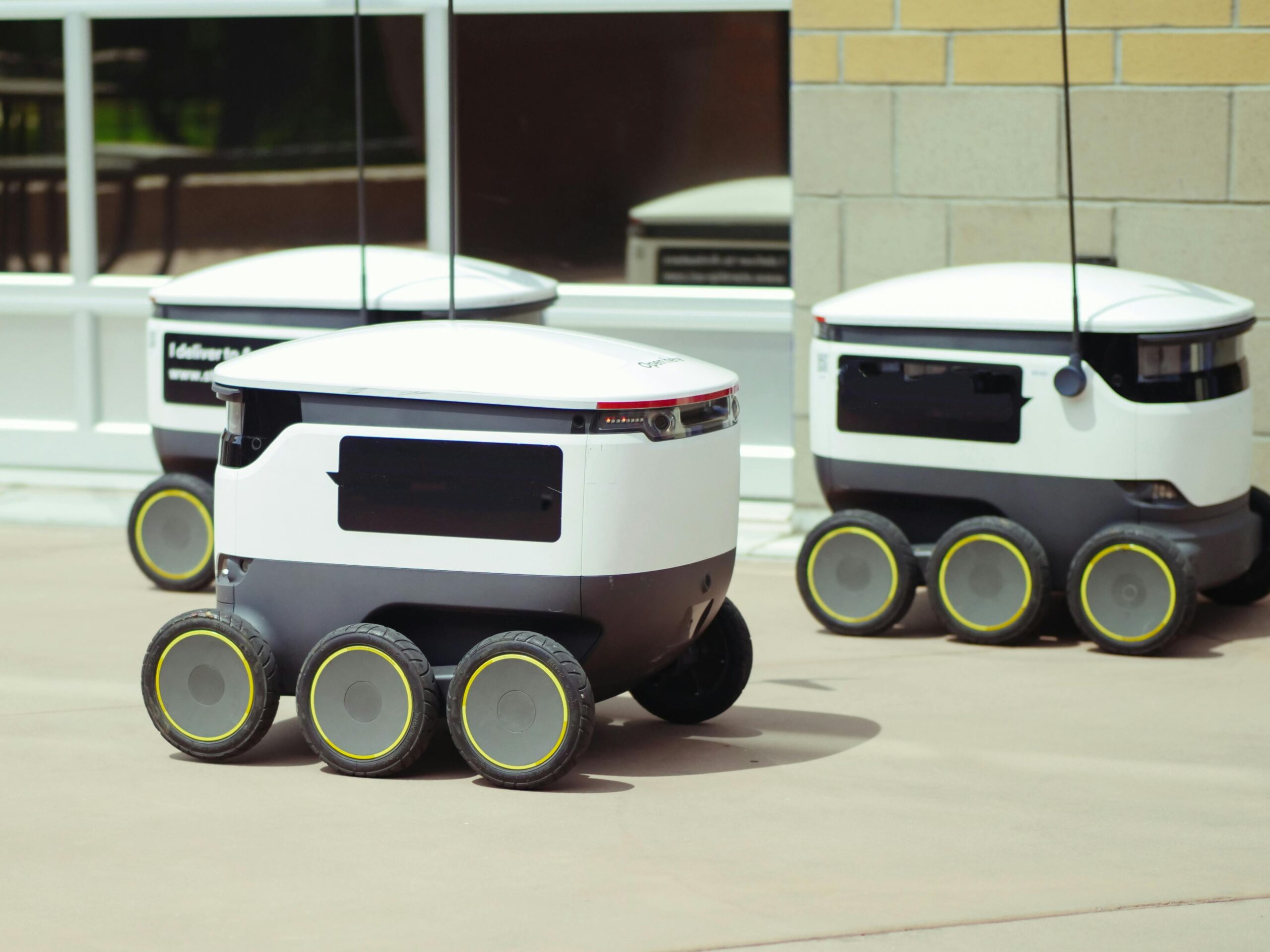
In the United States, Phoenix, Arizona has become a testing ground for autonomous taxi services, with thousands of residents regularly using self-driving vehicles for everyday transportation. European cities like Helsinki and Amsterdam are integrating autonomous shuttles with existing public transit networks, creating hybrid systems that leverage the strengths of both approaches.
Lessons from Early Adopters
Pioneer deployments reveal valuable insights for cities planning autonomous transit implementation. Starting with defined routes in controlled environments allows technology to mature while building public confidence. Transparent communication about both successes and setbacks helps manage expectations and maintains trust throughout the deployment process.
Successful programs prioritize integration with existing transportation options rather than attempting wholesale replacement. Autonomous systems work best when they complement traditional transit, filling gaps and providing last-mile connectivity that enhances the overall mobility ecosystem. This collaborative approach accelerates adoption and maximizes the benefits for all urban residents.
🔮 The Road Ahead: Future Developments and Possibilities
The next decade will witness extraordinary advances in autonomous transit capabilities. Artificial intelligence systems continue improving at exponential rates, with each generation of technology significantly more capable than its predecessor. Future autonomous vehicles will navigate complex scenarios that currently challenge even the most advanced systems, from severe weather conditions to construction zones and emergency situations.
Flying autonomous vehicles may transition from science fiction to reality within the next fifteen years, adding a vertical dimension to urban mobility. These aerial taxis could dramatically reduce travel times in congested metropolitan areas while requiring minimal ground infrastructure. The combination of ground and air autonomous systems will create truly three-dimensional transportation networks.
Integration with Emerging Technologies
Autonomous transit systems will increasingly integrate with other emerging technologies to create synergistic benefits. Augmented reality interfaces could provide passengers with immersive experiences during commutes, transforming travel time into productive or entertaining periods. Blockchain technology may enable decentralized ride-sharing networks that operate without centralized corporate control.
The convergence of autonomous vehicles with renewable energy systems creates exciting possibilities for sustainable mobility. Solar-powered charging infrastructure combined with vehicle-to-grid technology allows autonomous electric vehicles to serve as mobile energy storage units, supporting electrical grids during peak demand periods while providing transportation services.
🚀 Embracing the Autonomous Future
The revolution in urban mobility is not merely about replacing human drivers with machines—it represents a fundamental reimagining of how we design, experience, and inhabit cities. Smart autonomous transit systems offer solutions to our most pressing urban challenges, from environmental degradation to traffic fatalities to social inequality.
The transition will require patience, investment, and thoughtful policy-making. Communities must engage in conversations about how they want this technology deployed, ensuring that implementation reflects local values and priorities. The technology provides tools, but citizens and leaders must decide how those tools shape their urban futures.
As autonomous transit systems continue evolving and expanding, they promise to deliver cities that are fundamentally more livable, sustainable, and equitable. The journey has begun, and each mile traveled by autonomous vehicles brings us closer to realizing this transformative vision. The question is no longer whether autonomous transit will revolutionize urban mobility, but how quickly we can accelerate this positive transformation for the benefit of all.
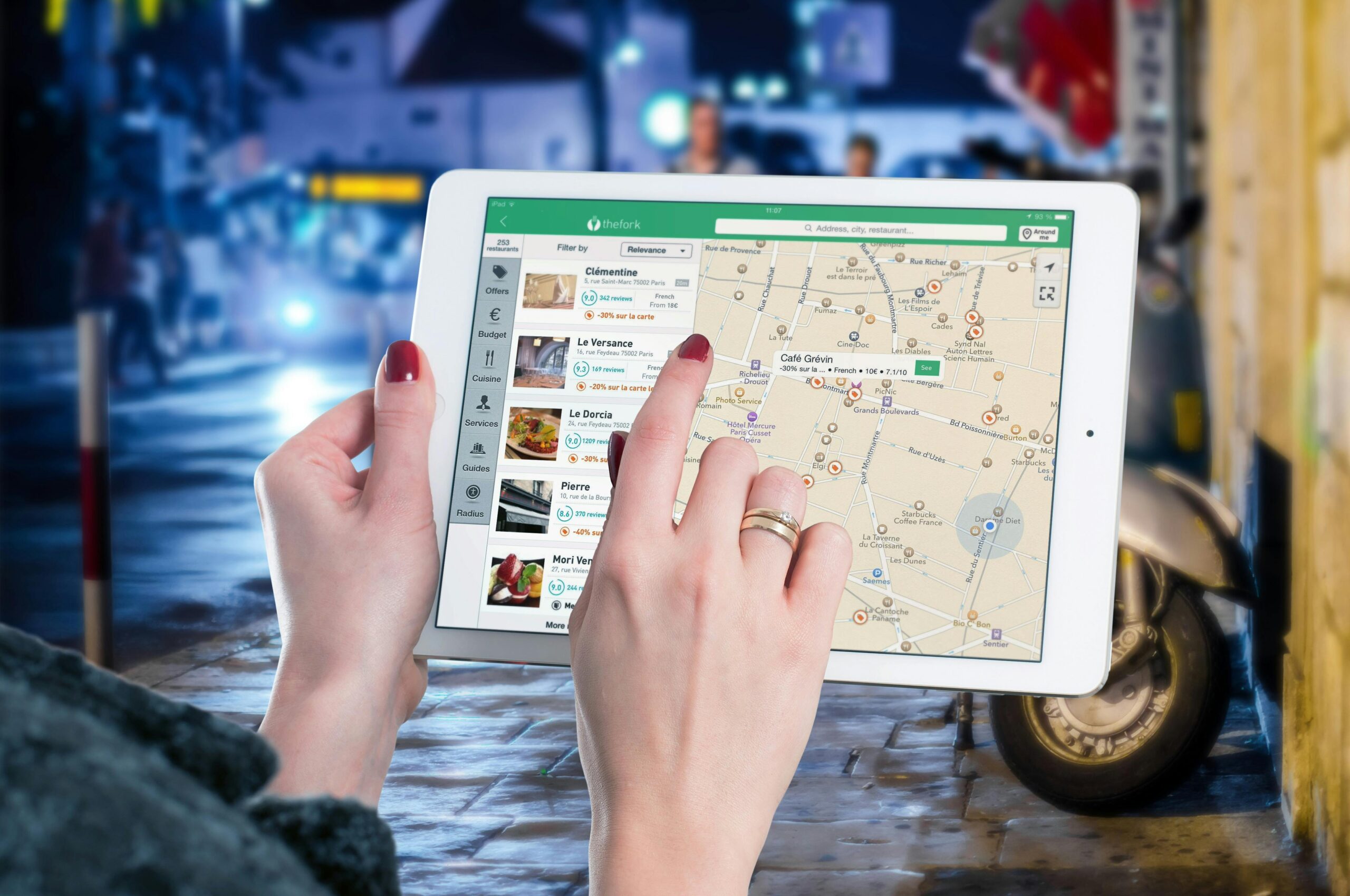
For those interested in following autonomous vehicle developments and smart city initiatives, numerous mobile applications provide real-time tracking of pilot programs and deployment schedules in cities worldwide. These platforms help citizens stay informed about how autonomous technology is reshaping their communities and offer opportunities to participate in this historic transformation of urban transportation.